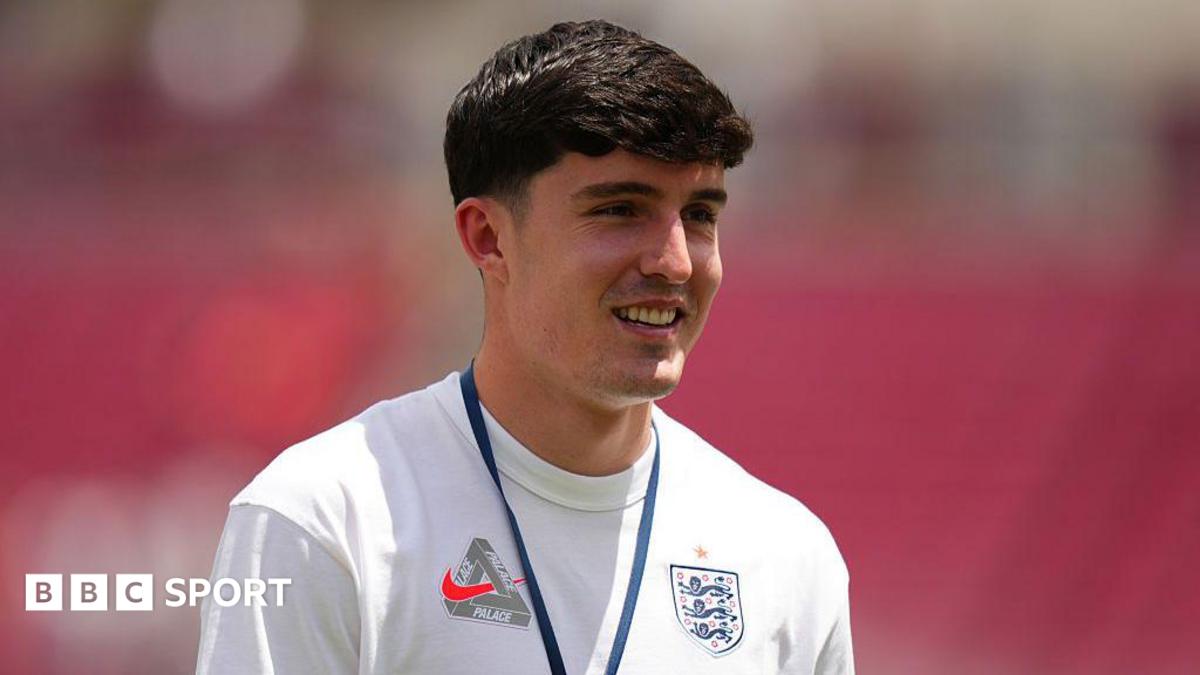
Livramento faces late withdrawal from England squad
England defender Tino Livramento is fighting to remain at the World Cup following a fresh injury sustained during the final training session before the Three Lions' tournament opener. Medical staff are currently assessing the severity of the issue, which sources close to the squad describe as a non-contact mishap that occurred during tactical drills.
Technical staff and medical professionals are working against the clock to determine if the Newcastle man can contribute. With the tournament schedule offering little room for lingering fitness concerns, the coaching staff faces a binary choice: retain Livramento for a potential knockout stage return or activate a replacement before the FIFA deadline passes.
The strategic headache for England
Missing a player of Livramento’s utility forces a tactical reshuffle. His ability to operate on either flank offers critical defensive depth, and his absence leaves the squad thin in a department already stretched by recent fixture density. If the injury involves soft tissue, as initial reports suggest, forced rest is the only non-negotiable path forward.
Modern tournament football exposes players to extreme burnout. The rapid succession of club league matches, domestic cup finals, and international qualifying cycles creates a perfect storm for these types of late-stage withdrawals. Livramento joins a list of high-profile talents whose physical output has hit a wall before the global stage even opens.
Historical context and recovery risks
Tournament history is littered with heartbreak caused by final-hour training injuries. England has faced this scenario before, often opting to keep injured players in the camp to maintain team chemistry, only to see them fail to log a single minute. The pressure to justify the roster spot against the need for a fully fit matchday squad is immense.
Rushing a return from lower-limb injuries during a high-stakes tournament often yields diminishing returns. Statistics on players returning within 14 days of an acute muscle injury during major competitions show a high recurrence rate, with many suffering secondary issues that compromise their subsequent club season.
Managerial and industry implications
The coaching staff's decision will serve as a bellwether for their risk tolerance. Opting for a replacement signals a priority on immediate squad rotation, while waiting on Livramento underscores his importance to the team's intended defensive identity.
This situation also highlights the ongoing friction between accelerated competition schedules and human physiology. As reported by the BBC, the timing of this blow could not be more disruptive. The industry is currently watching whether this turns into a long-term layoff or a minor intervention that keeps the defender available for the second or third group stage matches.
Ultimately, the uncertainty surrounding Livramento complicates the lineup for the opener. Whether it results in a tactical change or a forced personnel swap, the squad will have to demonstrate depth in a position where the margin for error is razor-thin.