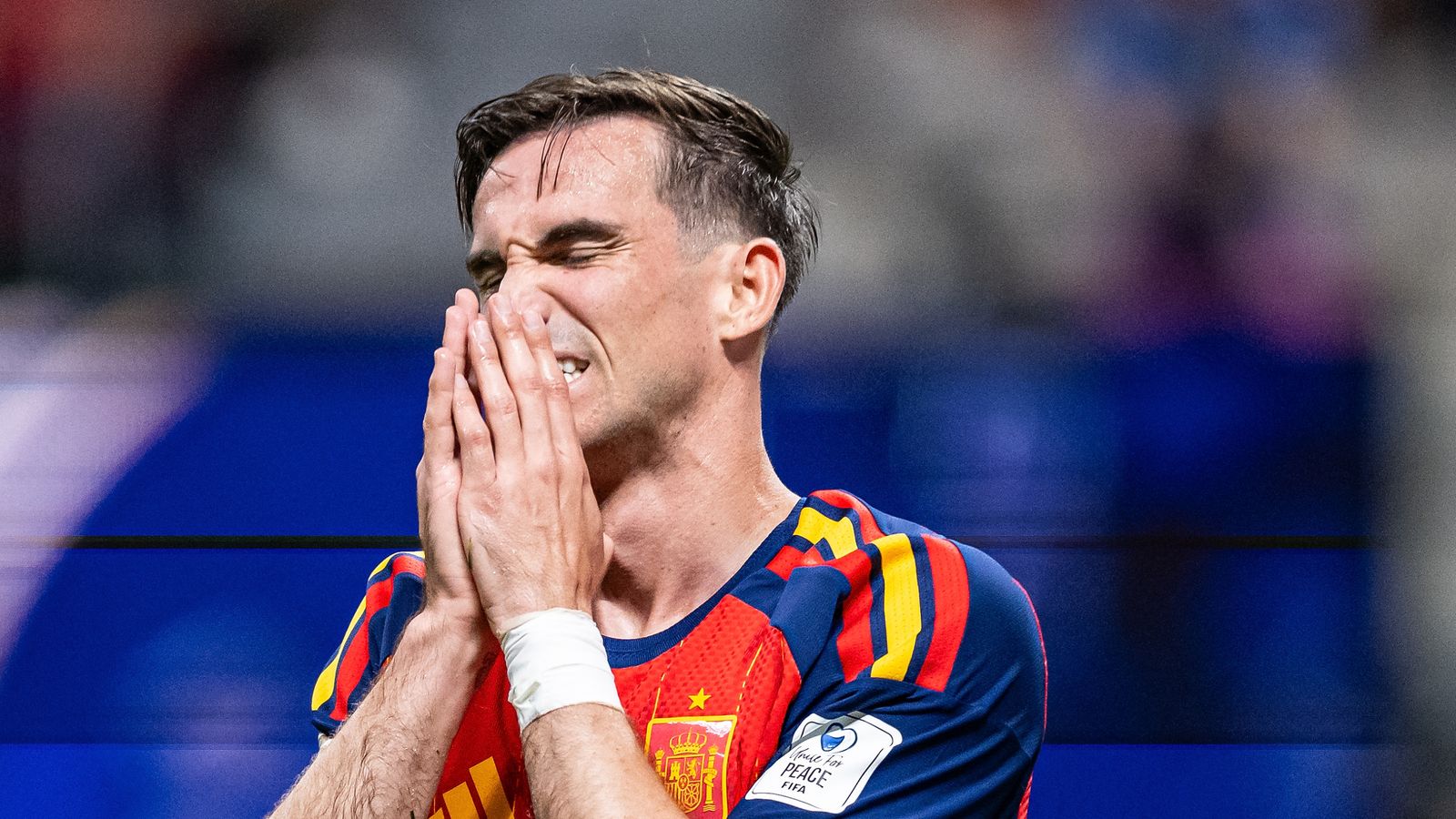
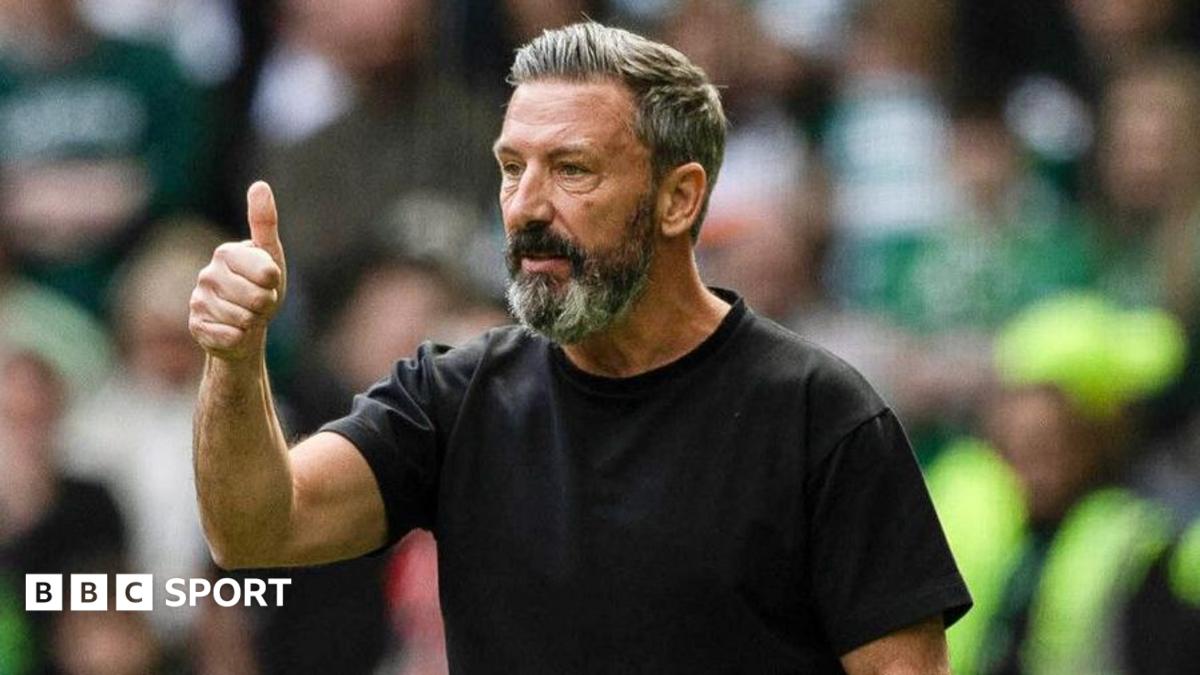
Why Derek McInnes taking the Rangers job is a massive gamble
The predictable churn of the Ibrox managerial carousel
The murmurs surrounding Derek McInnes walking away from Hearts to take the reins at Rangers have reached a fever pitch. On the surface, the logic seems simple enough. Tony Docherty, having served as his right-hand man for years, has already gone on record stating why this would be a perfect fit. But we have heard this tune in Govan before. Hiring a manager based on their tenure at a smaller club with a defined ceiling ignores the specific, suffocating pressure of an Old Firm mandate.
McInnes has done commendable work stabilizing Hearts, extracting efficiency from a squad that rarely pushes the established order. Yet, the leap from Tynecastle Park to Ibrox is not just a change in stadium capacity; it is a change in the fundamental physics of the job. At Rangers, drawing against a mid-table opponent is treated like a systemic failure. The patience McInnes enjoyed while building his process at other stops will vanish by the second weekend of the league campaign.
The McInnes tactical profile vs the Ibrox expectation
If we look at his tactical history, McInnes prefers a rigid structure that emphasizes defensive discipline and transitional efficiency. That style works perfectly when your primary concern is preventing high-scoring losses against dominant teams. However, Rangers’ domestic life is defined by breaking down low blocks. When 75 percent of Govan expects a victory against a team parking the bus for 90 minutes, a conservative approach leads to immediate friction with the home crowd.
As reported by the BBC, the endorsement from Docherty relies on McInnes' ability to manage personalities and build internal consensus. While that is a necessary trait, it is not a sufficient one. Rangers require a manager who can transform the squad’s identity during a window where investment is scarce. There is $0 of extra room in the budget for the kind of massive squad overhaul that the current roster arguably needs to compete with Celtic.
The hidden risks of the 'safe' appointment
Observers often point to his deep experience in the Scottish Premiership as an asset. My take? It is a liability. It suggests a manager who is entirely comfortable with the status quo of the league’s hierarchy. If the board at Ibrox is looking for a revolutionary figure to close the gap on their rivals, McInnes is the wrong choice. He is, by every metric, a conservative appointment designed to stop the bleeding rather than to win the war.
The fans have seen managers arrive with glowing testimonials from previous colleagues, only to be dismantled by the first domestic cup exit. Expecting McInnes to suddenly adopt a high-pressing, adventurous philosophy simply because the badge on his chest has changed is wishful thinking. He is a pragmatic tactician who knows how to grind out results, but he has never demonstrated the tactical flexibility to dominate possession against inferior opponents. That specific failure point will be his undoing in the 2026-27 season if he stays committed to his established playbook.
Is the recruitment strategy fundamentally flawed?
Perhaps the most damning part of this potential move is the distraction it creates for Hearts. By pulling their manager during a critical period, Rangers are effectively poaching talent from a competitor, but they aren't necessarily upgrading their own quality. This is the same cycle that has left the club spinning its wheels for three years while watching their rivals capture titles.
The move suggests the decision-makers at Ibrox have run out of ideas. Rather than scouting for fresh tactical minds from overseas who might bring a different perspective to the league, they are looking at the same pool of candidates who have been circling the wagon for a decade. It is a cynical, low-risk, low-reward gamble. Unless McInnes finds a way to unlock at least 12 more goals per season from his current attacking setup, the tenure will be short-lived. History shows that for a manager stepping into this role, anything less than a clean sweep of domestic trophies feels like a career-altering disaster.
Read Next
- Rangers are gambling their identity on the McInnes appointment
- Spain’s shaky start shows why World Cup hype is dangerous
- Michael Carrick has Manchester United dreaming of more than just fourth
- Erling Haaland on the biggest stage is going to be pure chaos
- ⚽ Scottish Premiership 2025-26 — Celtic vs Rangers Hub
Nike Charge Soccer Shin Guards
Protect your shins without breaking the bank. Simple, effective, classic.
Frequently Asked Questions
Why is Derek McInnes considered a risky choice for Rangers?
What tactical style is Derek McInnes known for?
What are the main financial challenges for the next Rangers manager?
How does the pressure at Rangers differ from other Scottish clubs?
What did Tony Docherty say about Derek McInnes?
More Coverage
Spain’s shaky start shows why World Cup hype is dangerous
5 hours ago
Michael Carrick has Manchester United dreaming of more than just fourth
5 hours ago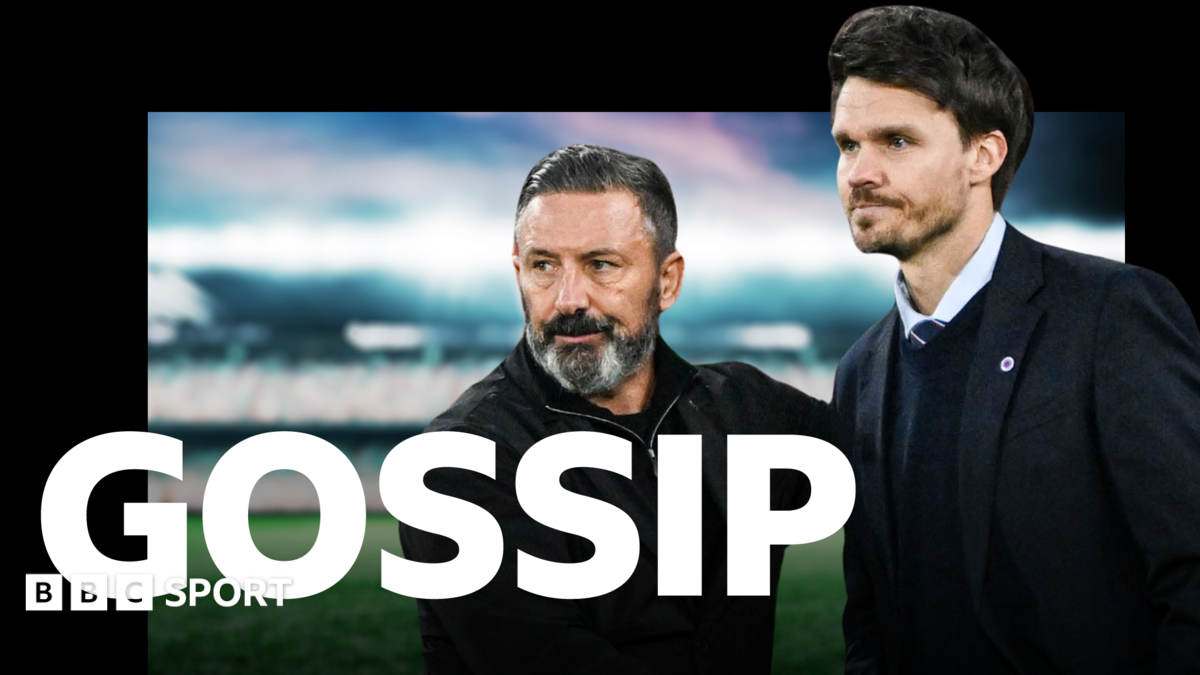
Rangers are gambling their identity on the McInnes appointment
7 hours ago
Erling Haaland on the biggest stage is going to be pure chaos
11 hours agoLennon Miller could be the next breakout star from Motherwell
11 hours ago
Olivier Giroud is bombing harder than a Saturday Night Live sketch
11 hours agoMore Analysis

England's World Cup opener against Croatia is a tactical minefield
an hour ago
Iran’s LA performance was a temporary truce in a permanent war
an hour ago
Tino Livramento's World Cup status in peril after training ground setback
an hour ago
Why Elias Just should be on every Premier League club's radar
an hour ago
Thomas Tuchel's FA contract is a hostage situation waiting to happen
an hour ago