The Vitality just witnessed the heist of the century
If you told a Bournemouth fan three years ago that they’d be checking flight prices for midweek trips to Frankfurt or Seville, they would have checked you into a clinic. But here we are. A 1-1 draw against the Manchester City industrial complex was enough to punch their ticket to the Europa League. The atmosphere at the Vitality was less like a football match and more like a fever dream where the small guy actually wins for once.
It is the kind of result that breaks the betting apps. City arrived with their usual 1.2 billion pound squad, looking to steamroll everything in their path. Instead, they ran into a Bournemouth side that played like they were caffeinated beyond human limits. The high press wasn't just a tactic; it was a religious experience. Every time a City defender touched the ball, three red-and-black shirts were in their personal space like a bad debt collector.
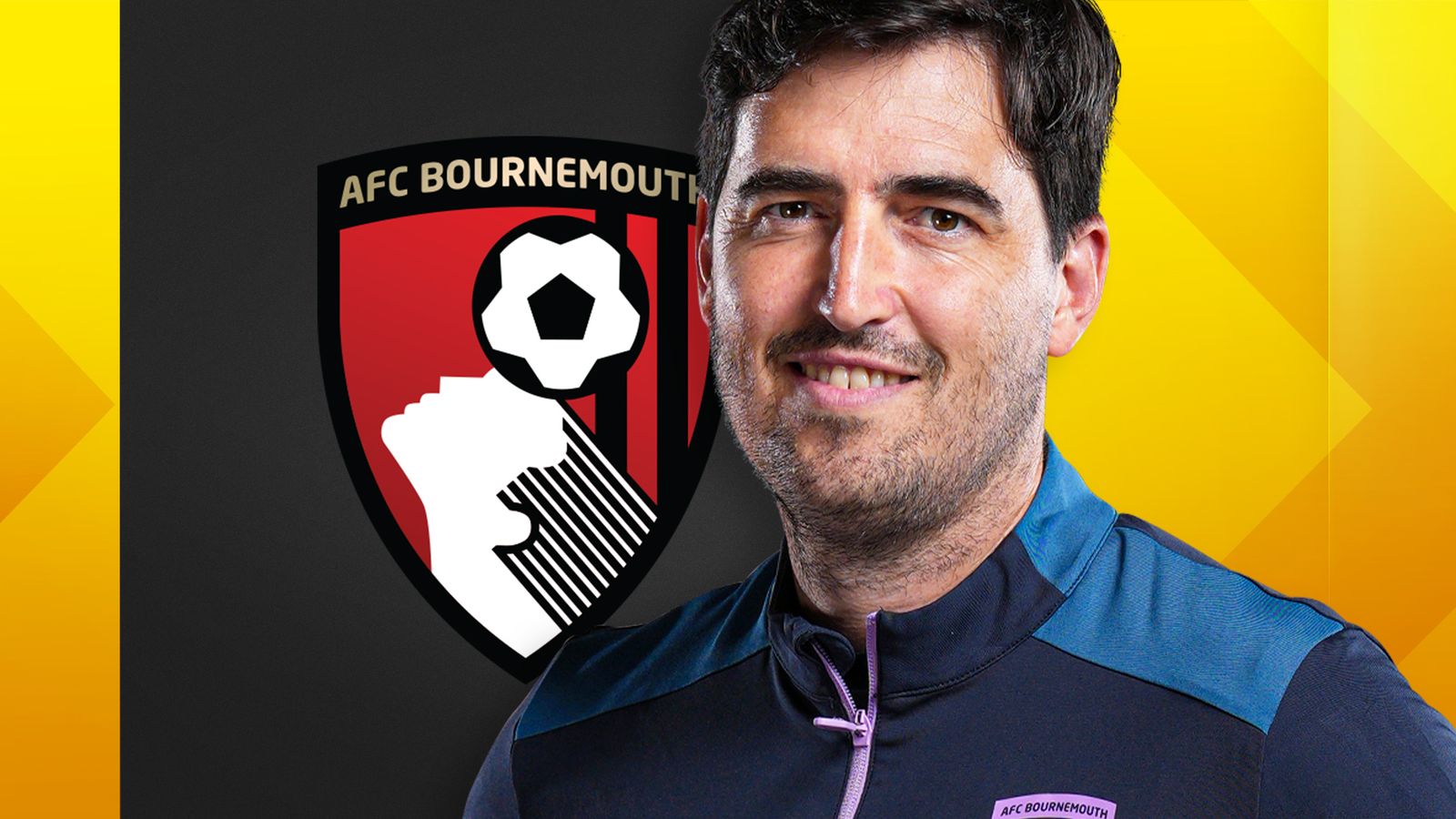
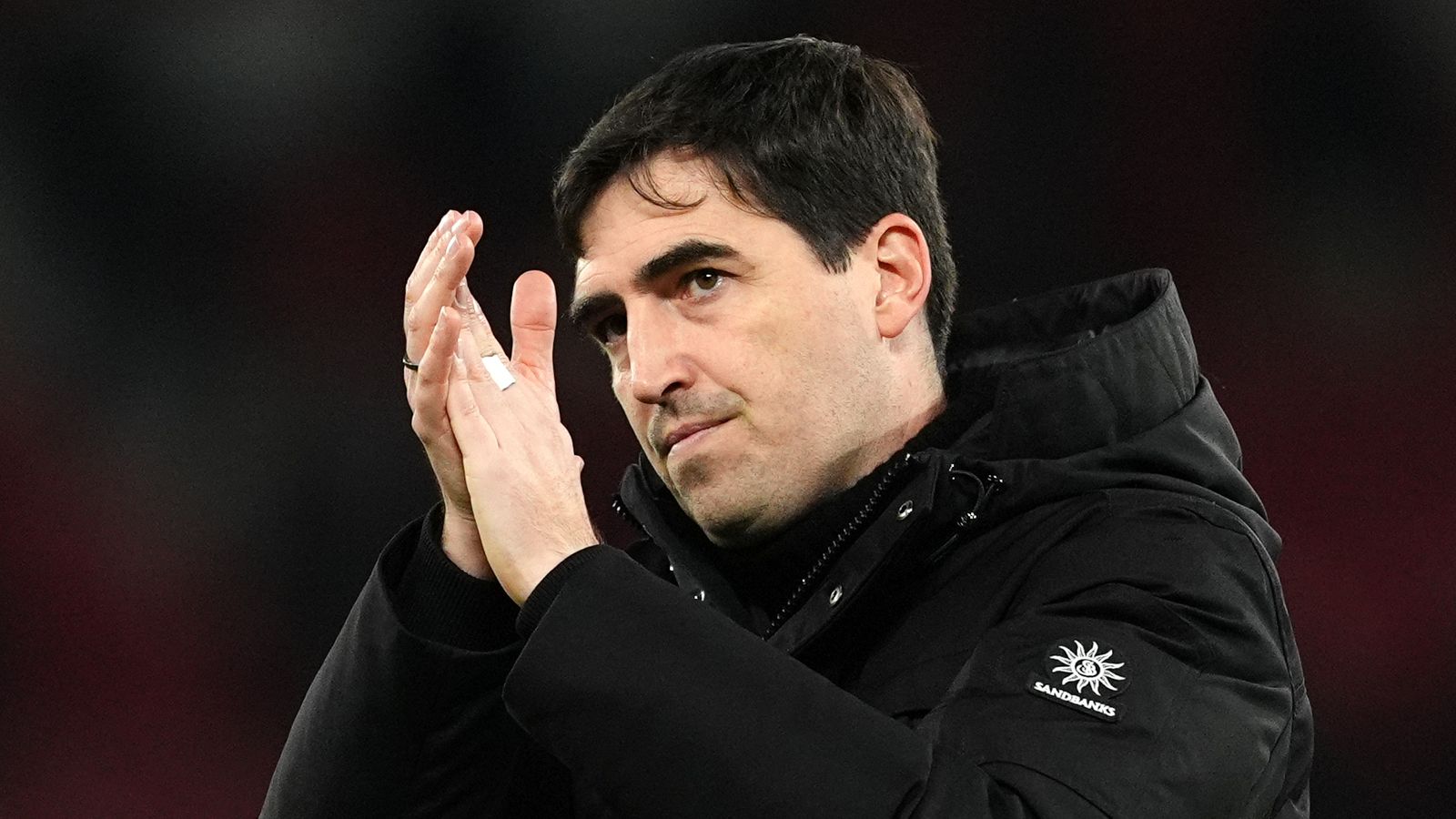
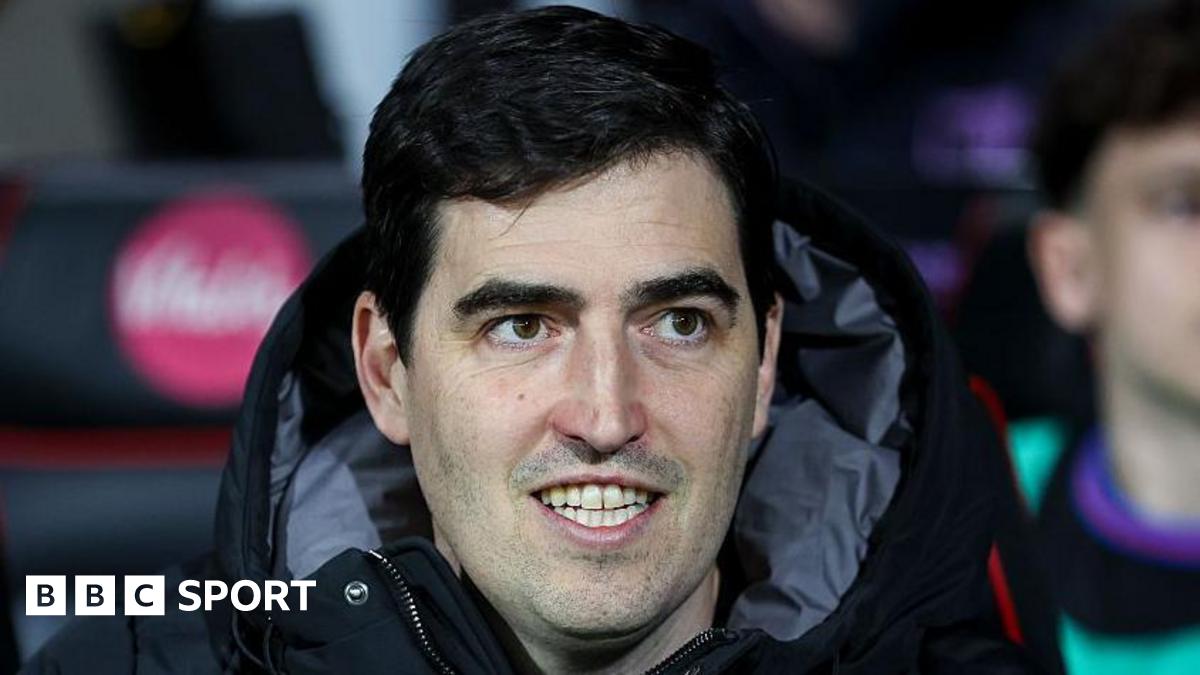
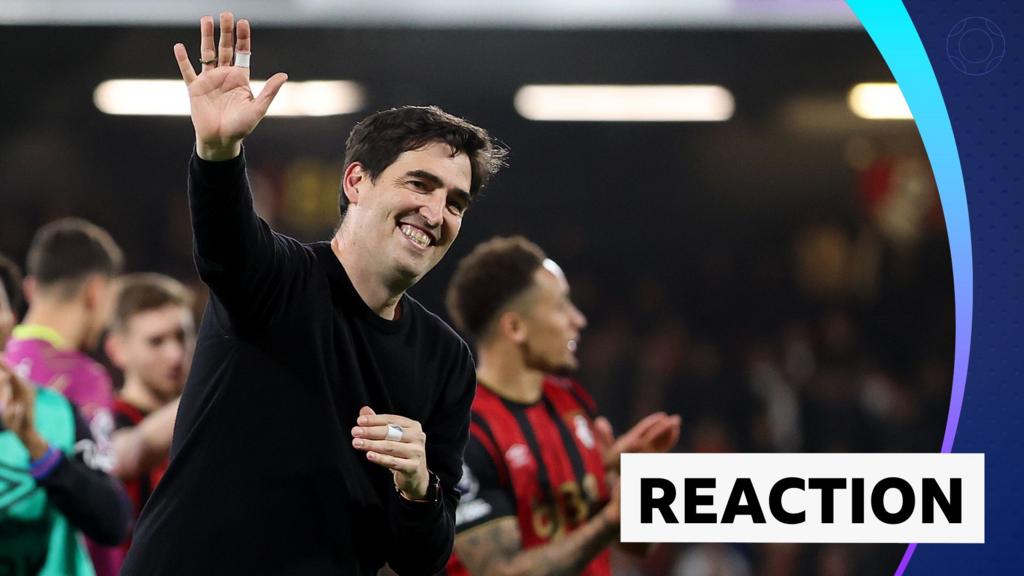
Andoni Iraola stood on the touchline for his final home game, looking like a man who had just solved a rubik's cube and decided to throw it in the ocean. According to BBC Sport, the Spaniard was beyond satisfied with the result. He is leaving in the summer, and he is leaving with the ultimate mic drop. He took a club that was supposed to be fodder and turned them into a continental threat before basically ghosting the entire South Coast.
The Iraolaball system just broke Pep's processing power
Let’s talk about the actual football because the tactical nerds are going to be dining out on this one for months. Man City usually plays like a closed-source algorithm—perfectly optimized, impossible to debug, and incredibly boring to watch if you aren't a data scientist. Iraola brought the open-source chaos. He didn't try to out-pass them. He tried to out-annoy them. It worked better than anyone expected.
Bournemouth’s defensive line was so high it was practically in the center circle for eighty percent of the game. They dared City to play the long ball, betting that their recovery pace could handle the transition. It was a high-stakes gamble that paid off when they squeezed a mistake out of the City midfield in the 44th minute. The resulting goal wasn't a work of art, but it was a masterclass in opportunistic violence. It was messy, it was loud, and it was exactly what this club represents.
City clawed one back in the second half, but you could see the frustration on Pep’s face. He looked like a man trying to install Windows 95 on a high-end gaming rig. The Bournemouth press didn't just stop attacks; it demoralized the players. By the time the final whistle blew, the statistics showed a story of defiance. Bournemouth only had 32 percent possession, but they had more shots on target than the defending champions. That isn't luck; that is a systematic dismantling of a superior opponent.
Why the 'I can't ask for more' exit feels like a betrayal
Iraola's post-match comments were short and to the point.
'I can't ask for more,' Iraola said after the match.On the surface, it’s a beautiful sentiment. He’s proud. He’s happy. He’s also leaving. And that is where the fairy tale gets a little bit grimy. While the fans are singing his name and crying into their overpriced beers, the man who built this engine is already looking at real estate in a bigger city. It’s the ultimate 'it’s not you, it’s my career' breakup.
The rumor mill is already spinning at five thousand RPMs. Is he headed back to Spain? Is a top-six club in England about to pay his release clause? Whatever the destination, the timing is brutal for the Cherries. They just climbed the mountain, and their Sherpa is cutting the rope as soon as they reach the peak. It’s a classic case of a manager using a mid-sized club as a high-performance sandbox to prove a point before moving on to a bigger budget.
You have to respect the hustle, but you don't have to like it. Bournemouth is about to enter the most difficult season in their history. Playing in Europe isn't just a reward; it’s a physical tax that breaks squads half this size. They will be playing on Thursdays in places like Azerbaijan and then trying to face Arsenal on a Sunday afternoon. Doing that without the visionary who installed the system is a recipe for a disaster that no one wants to talk about during the party.
The incoming disaster that no one is mentioning
Here is the reality check that’s going to ruin the mood. Bournemouth’s current squad has the depth of a backyard swimming pool. They secured Europe with a core of about fourteen players who have played nearly every minute of the season. In the 2026/27 season, they are going to need a roster of twenty-five high-quality athletes just to avoid a relegation scrap. The budget isn't there, and now the manager isn't there either.
The club spent 85 million pounds over the last two windows to get to this point. That is a massive investment for a team with their stadium capacity. If they don't nail the next managerial appointment, all of this progress will evaporate faster than a bad crypto investment. We have seen this movie before with clubs like Swansea and Leicester. You overachieve, your best people get poached, and you find yourself in the Championship three years later wondering where it all went wrong.
Whoever takes over from Iraola is walking into a trap. If they finish 12th next year, it’s a failure. If they get knocked out of the Europa League group stages, it’s a disappointment. The bar has been set so high that the next guy is basically guaranteed to hit his head on it. Iraola is smart. He knows he’s leaving at the absolute ceiling of what is possible with this group of players. He’s taking the credit and leaving the hangover for someone else to deal with.
The tactical vacuum in the South Coast
Bournemouth's identity is now tied to a very specific brand of high-intensity football that is notoriously difficult to coach. It requires a specific type of fitness and a specific type of mental buy-in. When a manager like Iraola leaves, he doesn't just take his tactics board; he takes the charisma that convinced the players to run twelve kilometers a game. The next manager might try to 'evolve' the style, which is usually code for making it more conservative and significantly worse.
Look at the list of potential replacements. Most of them are the usual suspects—unemployed guys who have been fired from three different Premier League clubs for playing 'solid' football. If Bournemouth goes back to a low block and counter-attack style, they are dead in the water. The fans have been spoiled by the chaos of the last eighteen months. They won't accept a return to the boring, safety-first approach that defines the bottom half of the table.
- They need a manager who understands high-intensity pressing systems.
- The recruitment department has to find at least six new starters this summer.
- The wage bill is going to explode once the European bonuses kick in.
It is a massive gamble. The club's owners are celebrating tonight, but tomorrow morning they have to face the fact that their most valuable asset is walking out the door for nothing. They secured a 1-1 draw against City, but they might have lost the war for their long-term stability in the process. It’s the kind of bittersweet ending that only football can provide.
A final toast to the most chaotic season in club history
Despite the looming shadow of the summer, what happened today shouldn't be dismissed. Bournemouth took a point off a team that treats the Premier League like a private playground. They did it with a squad of players that many experts said weren't good enough for the top flight. They proved that a well-drilled system can overcome a massive gap in talent and bank balances.
The fans stayed in the stadium for an hour after the final whistle. They sang for Iraola, they sang for the players, and they probably sang for the local pubs that are about to see a massive spike in revenue. For one night, the South Coast was the center of the football world. It didn't matter that the manager was leaving or that the squad was thin. All that mattered was that Bournemouth was going on a European tour.
Iraola will be remembered as the man who did the impossible. He’ll also be remembered as the man who didn't stick around to see the consequences. It’s a complicated legacy, but in twenty years, no one will remember the contract negotiations. They’ll remember the 1-1 draw, the roar of the crowd, and the fact that for one brief moment, Bournemouth was better than the machine. If this is how the Iraola era ends, at least he gave us one hell of a finale.