So Your Manager Signed a New Deal. Great, Right?
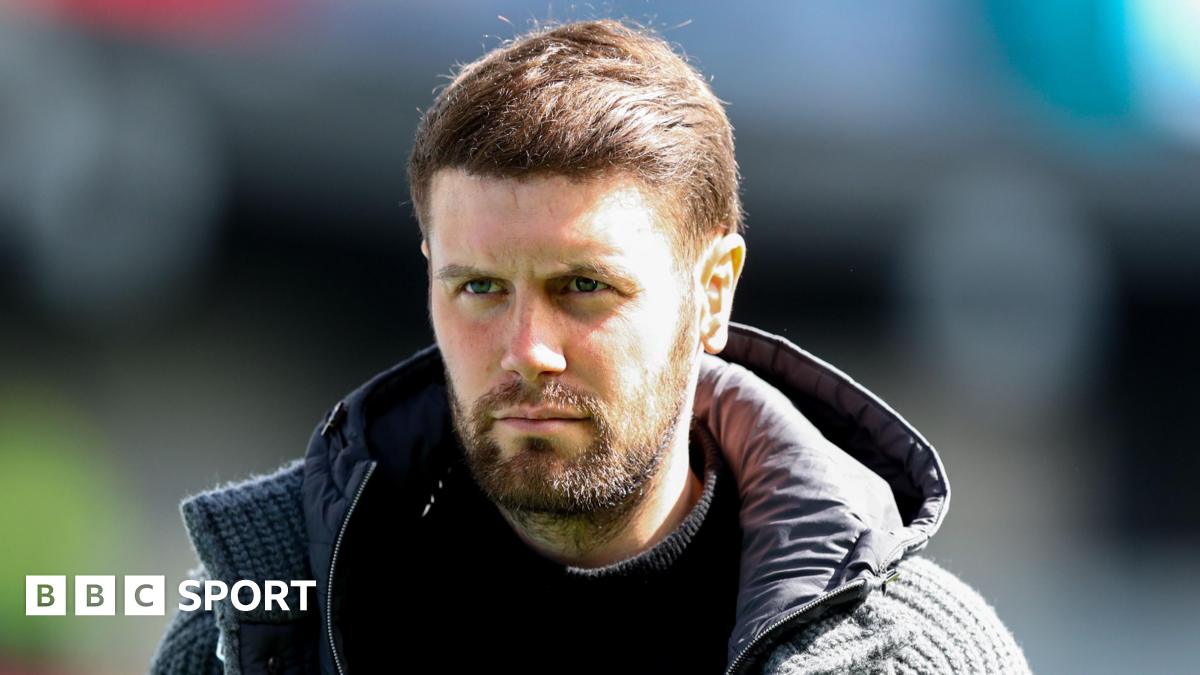
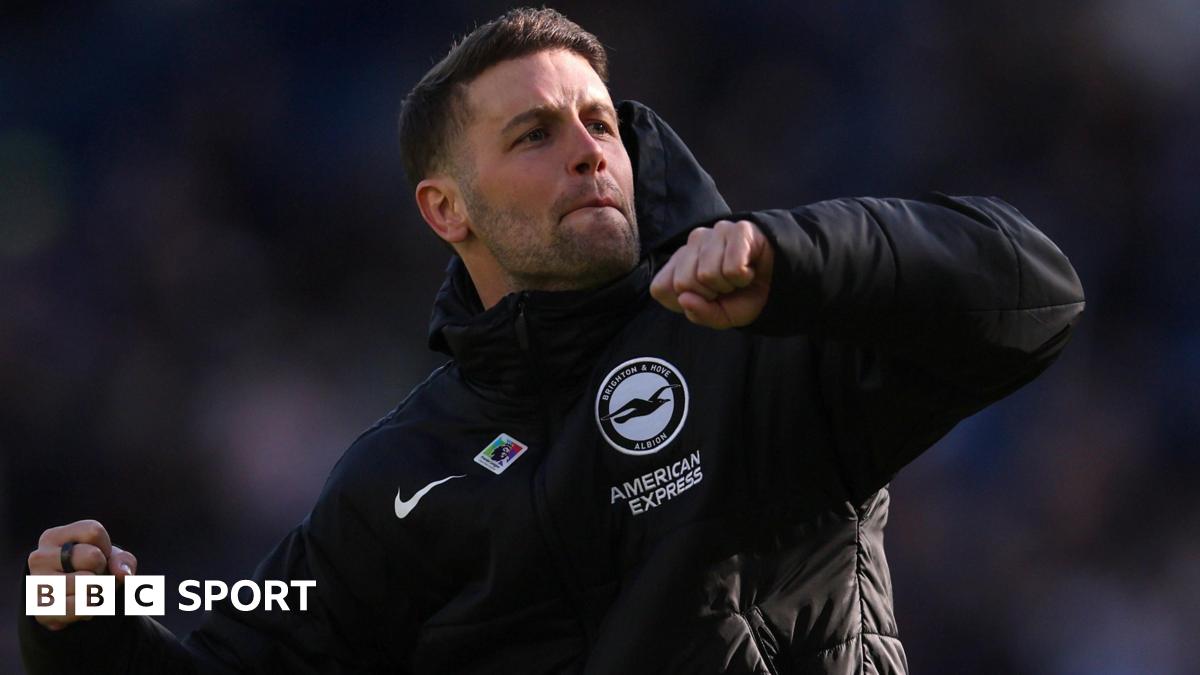
The news dropped like a perfectly weighted through-ball that nobody is there to run onto: Fabian Hürzeler, the Bundesliga’s wunderkind turned Premier League's youngest-ever manager, has signed a new contract keeping him at Brighton until 2029. On the surface, as the club announced with beaming smiles, this is fantastic. Stability. A long-term vision. A firm middle finger to the circling vultures who perpetually see the Amex as their own personal shopping aisle.
But this is Brighton. A club where the discourse is as layered and complex as their build-up play from the back. And if you thought this news would be met with a universal chorus of 'We've Got Super Fab', you haven't been paying attention. The fanbase immediately split into two very distinct, very loud camps. It’s a civil war fought in WhatsApp groups and on the pages of North Stand Chat.
Camp A: The Process-Trusting Futurists
For a huge chunk of the Albion faithful, this is a no-brainer. It’s the kind of move that has defined the Tony Bloom era: smart, forward-thinking, and based on the data, not just the last five results. The arguments from this side are passionate, detailed, and, if you’re a skeptic, slightly infuriating.
A typical take you'd see online goes something like this: "Are people blind? The football we played in the second half of the season was lightyears ahead of the post-Christmas Potter-ball. Hürzeler had to come in mid-season, deal with a squad that wasn't his, and implement one of the most complex tactical systems in Europe. The results will come. This is about building something that lasts."
They have a point. Hürzeler's philosophy is pure, uncut modern football. The high press, the intricate passing patterns designed to bait the opposition, the fluid positional play — it’s catnip for the tactical nerds. This camp sees the underlying numbers — the possession stats, the xG (expected goals), the territory dominance — and they see a machine being fine-tuned. They see a manager who improved players on the training ground and they believe that with a full pre-season and a couple of key signings (a striker, for the love of God, a striker), this team is ready to explode.
They’ll tell you that letting a mind like his go would be a catastrophic error, an admission that Brighton is only a stepping stone. Locking him down, they argue, sends a message: we are not just a selling club; we are a destination for the brightest minds in the game.
Camp B: The 'Yeah, But Can We Win on a Tuesday Night at Stoke?' Brigade
Then there’s the other side. The side that watches all that beautiful, intricate passing and feels their blood pressure rising with every back-pass to the keeper. This isn't a group of Neanderthals demanding long-ball football. They’re fans who have sat through countless 1-1 draws where Brighton had 75% possession and the opposition keeper made one save. Their mantra is simple: football is about scoring goals.
Their posts read a little differently: "A new deal for what, exactly? Finishing 11th? We won, what, 3 of our last 15 games? All this tippy-tappy nonsense in our own half is great until a team like Fulham just sits back, lets us have the ball, and then mugs us on the counter. It's De Zerbi-ball without the end product. All style, no substance."
This is the crux of their frustration. For all the tactical elegance, the end product was often missing. Brighton became predictable. Teams learned to let them have the ball in non-threatening areas, clog the final third, and wait for an inevitable mistake. The failure to convert dominance into goals became a running joke. The feeling of watching your team have 20 shots with only two on target is a special kind of hell, and many fans spent last season living in it. They see a manager who seems tactically rigid, unable or unwilling to find a 'Plan B' when the beautiful game isn't working.
So, Who’s Got the Right of It?
Here’s the thing: they’re both right. And that’s what makes this such a fascinating, and frankly, hilarious situation. The Hürzeler acolytes are correct that his footballing brain is elite. He represents the kind of high-concept manager that top clubs are built around. Losing him for nothing would have been a disaster.
But the pragmatists are also 100% correct that the results simply have to improve. You don't get Premier League points for pretty patterns. The single biggest criticism, and it's a massive one, is that the team often looked sterile, a perfectly choreographed dance that forgot it was supposed to end with someone putting the ball in the net. It was possession as a defensive tool, not an attacking one.
Ultimately, this new contract isn’t really a reward for last season’s performance. It’s a classic, cold-blooded Tony Bloom masterstroke in asset management. It protects the club. If Hürzeler, with a full pre-season and his own signings, turns Brighton into a top-seven force, the club has him locked down. If he gets his head turned by a Bayern Munich or a Chelsea, Brighton will command a world-record compensation fee for a manager. It’s a bet on his talent, hedged against the possibility of him being poached.
The contract solves nothing for the fans in the short term. It just turns up the volume on the debate. The pressure on Hürzeler heading into the 2026/27 season is now immense. There are no more excuses. It’s his team, his system, his contract. The time for trusting the process is over. Now, it's time to deliver the results.