The San Siro renovation project
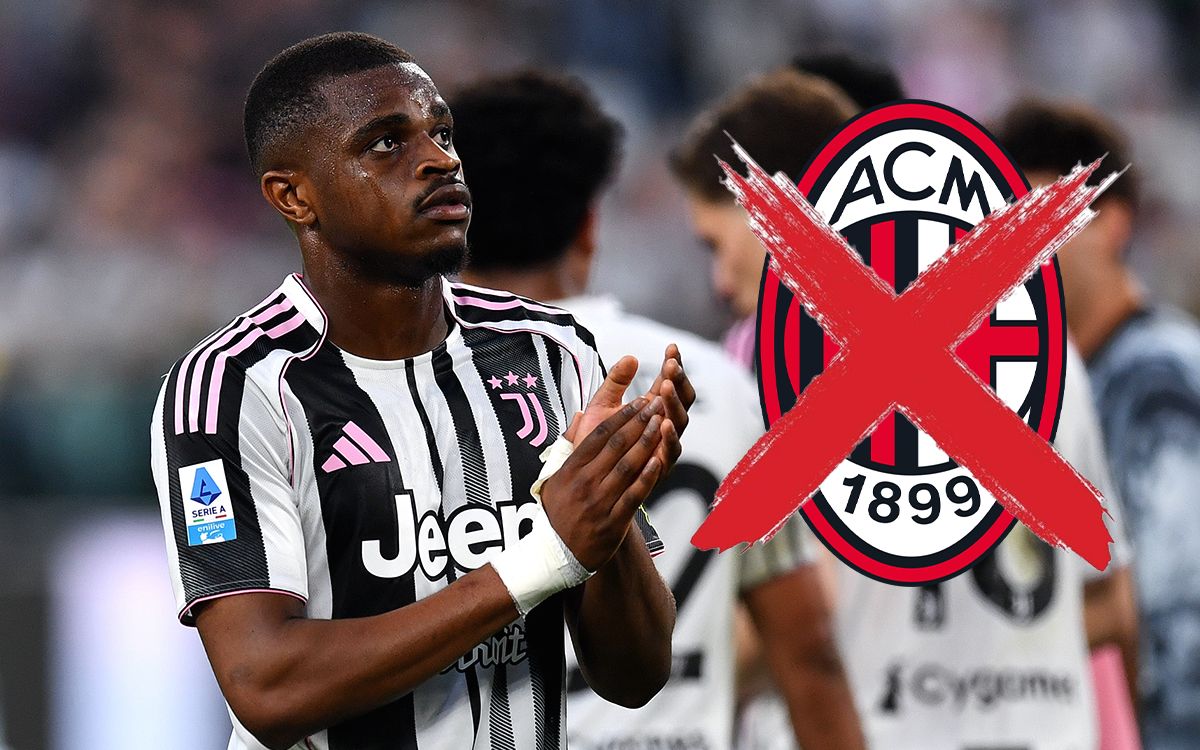
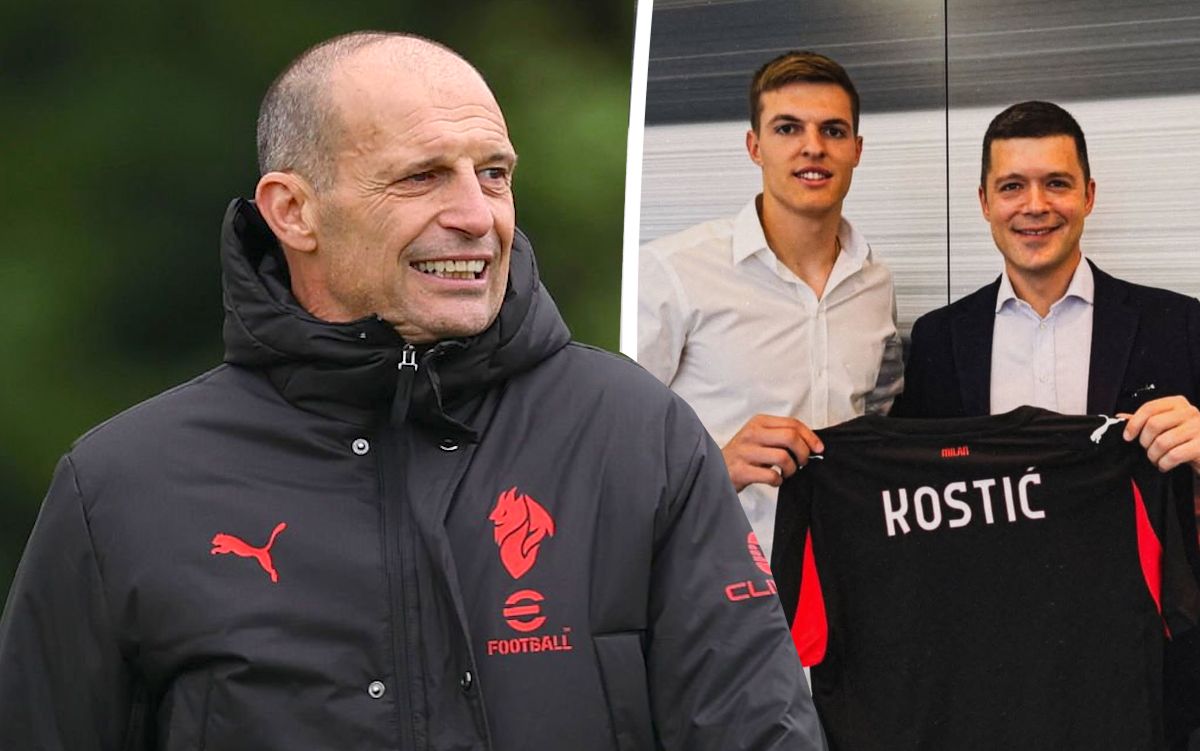
Milan is currently drafting a blueprint for the 2026-27 season that looks less like a standard roster update and more like a total cultural reset. Reports surfaced this morning that the club has identified a core of eight players to anchor their future. The inclusion of Filip Kostić links the Italian side directly to offensive metrics usually reserved for teenagers taking the world by storm, like Lamine Yamal.
Fans on the forums are predictably losing their minds. The optimist camp thinks this is the smartest allocation of capital they have seen since the nineties. They argue that Kostić provides the direct, vertical service that was missing from the left flank during the winter stretch. Getting a player who puts up numbers comparable to elite-tier wingers without breaking the bank is essentially the transfer market version of finding a ten-karat diamond in a bargain bin.
The skeptics, however, are louder than a drum circle in a library. One user on the Milan subreddit noted that building around eight players creates a brittle internal hierarchy. If one of those pillars goes down with a recurring injury, the entire tactical structure collapses like a house of cards in a wind tunnel. It is a recurring nightmare for Milan supporters who have watched transfer targets underperform simply because the squad chemistry lacked teeth.
Chelsea's annual summer purge
Meanwhile, in London, Chelsea is preparing for a yard sale that would make a suburban divorcee weep. Mirror Football confirmed that eight players might have already pulled on the royal blue shirt for the final time. The squad overhaul is coming, and it is going to be messy, expensive, and likely confusing for everyone involved.
The reaction in the comments sections ranging from Stamford Bridge fan blogs to Twitter is one of exhausted acceptance. Most recognize that the current squad size has become an absolute absurdity. Carrying thirty-plus players is not a strategy, it is a bloated payroll nightmare designed to drain liquidity and create massive moral issues in the training room.
Some contrarians suggest that selling guys like Axel Disasi or Nicolas Jackson now is madness. They argue that younger players need multiple seasons to adjust to the speed of the Premier League. Selling them before they hit their peak velocity is just handing over value to rival clubs who actually have the patience to develop talent. It is the classic short-termism that plagues modern football management.
The verdict on these contrasting paths
Which approach is actually viable? Milan is playing a concentrated game of poker. By focusing their resources on a clear, defined spine for next season, as noted by Sempre Milan, they are trying to fix the consistency issues that plagued their current campaign. It is a measured risk that relies on individual profiles fitting into a specific system.
Chelsea is taking a shotgun approach to a problem that requires a scalpel. Tossing out eight players in a single window is the sort of move that creates a black hole where organizational memory used to live. They have the 900 million or so spent over the last few windows to justify this, but money cannot buy you an identity once you have thrown it into a shredder.
Watching this from the outside, Milan's plan at least has a heartbeat. They are looking to build something that functions as a unit rather than a collection of expensive mercenaries. Chelsea is treating their dressing room like a revolving door, hoping that if they replace enough parts, the machine will eventually start winning trophies again. That is not a plan; that is a prayer.
The most egregious mistake being made by Chelsea’s brass is the assumption that fresh faces automatically equal better results. If you ignore the underlying tactical flaws that put these players in bad positions, you just burn more cash on the next batch of hopefuls. Milan, by contrast, is seemingly trying to lean into players who fit their current manager's philosophy. Kostić arriving at the San Siro to replicate his high-octane output—as Sempre Milan reports—feels like a tactical upgrade based on hard data rather than impulsive spending.
Ultimately, the transfer window is just a spectator sport for us, but the consequences of these decisions are permanent. Chelsea fans are in for a long summer of rumors and likely heartache. Milan fans, on the other hand, might actually have something to look forward to if they stop dreaming of superstars and start valuing functional, high-output production. The scoreboard in August will settle who had the right idea, but my money is on the steady build over the scorched-earth policy.