
Bruno Fernandes and United are still searching for their soul

A familiar script at the Vitality
There is a specific, hollow sound that echoes around the Vitality Stadium when Bournemouth decide to turn the screw. It is a mixture of incredulity from the traveling support and a low, rhythmic thrum from the home fans who have grown accustomed to watching the Premier League’s supposed aristocracy look fundamentally lost on the south coast.
For Manchester United, this was meant to be a corrective measure. After a week of internal noise and the relentless churning of the managerial rumor mill, the expectation was a performance of grit, if not necessarily grace. Instead, what unfolded was a chaotic, disjointed affair that once again exposed the tactical fragility at the heart of Erik ten Hag’s project.
The Fernandes moment that wasn't
The defining image of the first half will undoubtedly be the moment Bruno Fernandes thought he had broken the deadlock. It was a classic Fernandes strike—a crisp, venomous effort from the edge of the box that seemed destined for the top corner. For a split second, the Portuguese playmaker had that trademark smirk ready, the one that signals he has single-handedly forced a result out of a vacuum.
Then came the outstretched palm of the Bournemouth goalkeeper. It was a save that defied the physics of the angle, a fingertip intervention that felt less like a routine stop and more like a statement of intent from a side that no longer fears the badge on the opposition’s chest. Fernandes, usually so demonstrative, simply stared at the turf. It was the look of a man who realizes that even his individual brilliance is no longer enough to paper over the cracks of an incoherent collective structure.
The save was a microcosm of the season: United knocking on the door with desperation, only to find the lock has been changed.
The sequence highlighted the central issue for United. They create chances, yes, but they are almost always born of individual improvisation rather than a cohesive attacking system. When the ball doesn’t fall for Fernandes, or when a goalkeeper produces a moment of magic, the entire offensive strategy simply evaporates.
The structural vacuum in midfield
If you want to understand why Manchester United are currently struggling to maintain control of games, you need only watch the space between their defensive line and their midfield pivot. It is a vast, unpopulated desert where opposition players like Justin Kluivert and Dominic Solanke can roam with utter impunity.
The defensive transition was, once again, a liability. Whenever United lost the ball in the final third—which happened with alarming regularity—the recovery runs were sluggish and uncoordinated. It is a recurring theme that suggests either a lack of physical conditioning or, more worryingly, a complete breakdown in the tactical instruction regarding defensive shape.
- Lack of recovery pace in the transition phase.
- The disconnect between the front three and the holding midfielders.
- An over-reliance on long-range efforts rather than breaking lines through the middle.
- Defensive lapses during set-piece scenarios.
The Bournemouth press was not particularly exotic, but it was effective because it didn't need to be complex. They simply pushed high, forced a turnover, and watched as United’s back four retreated into a panic-induced shell. It is a pattern that every manager in the league has now memorized.
The human cost of the chaos
Watching Kobbie Mainoo try to hold the fort in the center of the pitch felt like watching a child trying to hold back a flood with a plastic bucket. He is a talent of immense quality, the kind of player you build a future around, but he is currently being asked to solve problems that are far above his pay grade. The burden of responsibility being placed on the youth is a damning indictment of the senior recruitment strategy over the last three transfer windows.
It is difficult to watch a player of such promise being exhausted by the tactical incompetence surrounding him. The senior players, meanwhile, seem to be operating on different wavelengths. There is a lack of vocal leadership, a dearth of players willing to grab the game by the scruff of the neck when the momentum shifts against them. Fernandes does the shouting, but he lacks the support to turn those words into movement.
What happens next for Ten Hag?
The post-match discourse will inevitably focus on the manager’s future, as it has for the better part of three months. But the reality is that the problems at Old Trafford run deeper than the man in the dugout. Even if a change were made tomorrow, the fundamental lack of a clear sporting identity remains.
Bournemouth, by contrast, looked like a team that knows exactly who they are. Under Andoni Iraola, they have developed a style that is aggressive, vertical, and fundamentally brave. They don’t have the budget of their opponents, and they certainly don’t have the global brand, but they have something far more valuable: a plan that every player on the pitch understands and believes in.
United are currently a collection of expensive parts that refuse to fit together. Until the hierarchy addresses the lack of a cohesive philosophy, no amount of individual talent will save them.
As the final whistle blew, the contrast was stark. The Bournemouth players celebrated with a sense of genuine achievement, while the United squad drifted toward the tunnel with their heads bowed, looking for all the world like a group of players waiting for the season to end. The Vitality Stadium may be a small venue, but for Manchester United, it was a massive reality check.
The road ahead does not get any easier. With fixtures coming thick and fast, the window for correction is closing rapidly. If this performance was meant to be the start of a turnaround, it was, at best, a false start. The search for a soul continues, and with every passing week, it feels like the identity of the club is slipping further into the rearview mirror.
Frequently Asked Questions
Why is Manchester United struggling to control matches?
What is the main issue with Manchester United's attacking system?
How did the Bournemouth goalkeeper impact the match?
What tactical failures were exposed during the Bournemouth game?
How does the team perform during defensive transitions?
More Coverage

Raheem Sterling's arrest is a disaster for his career timeline
2 hours ago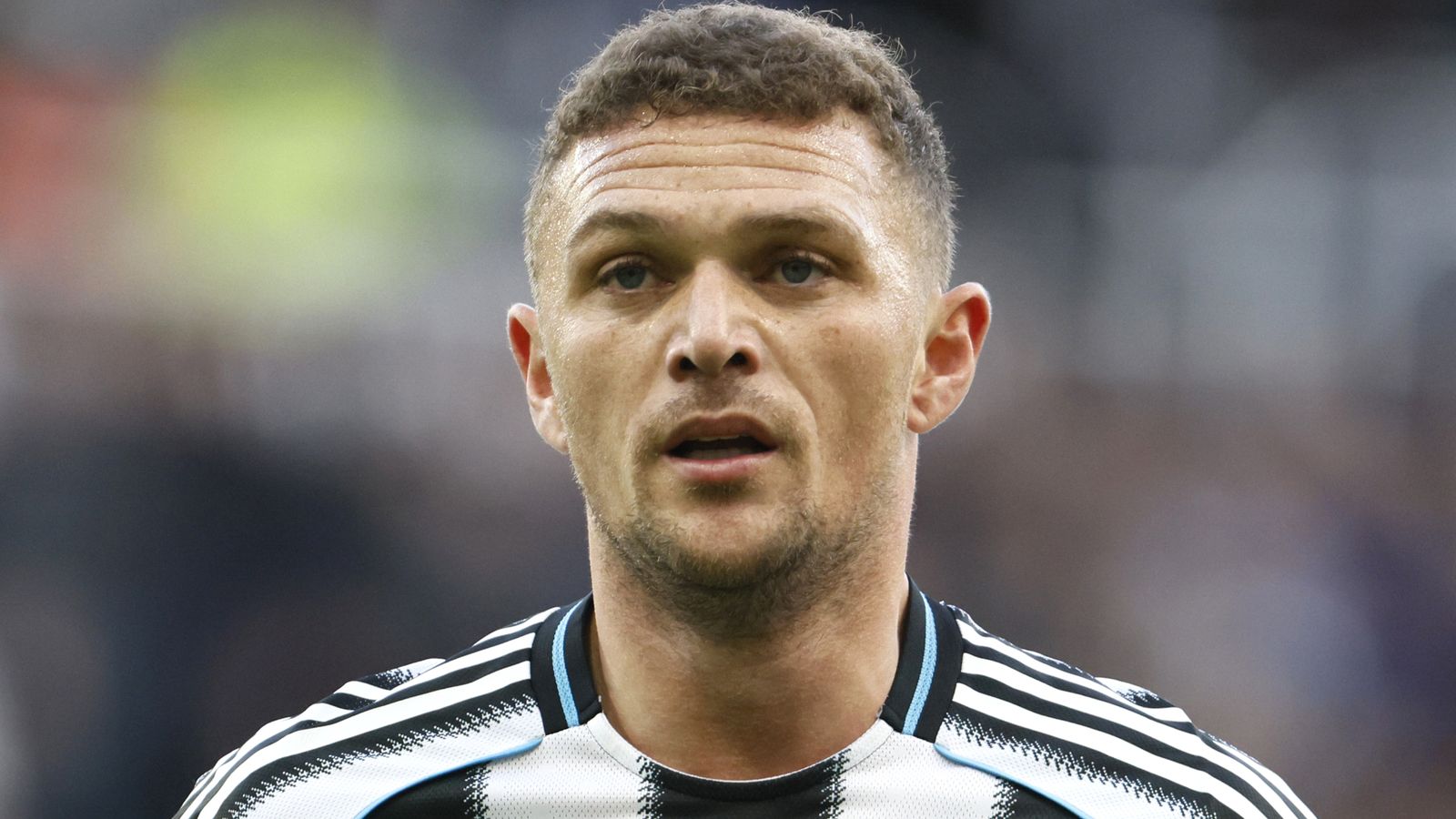
Kieran Trippier is the exact veteran Wolves need right now
2 hours ago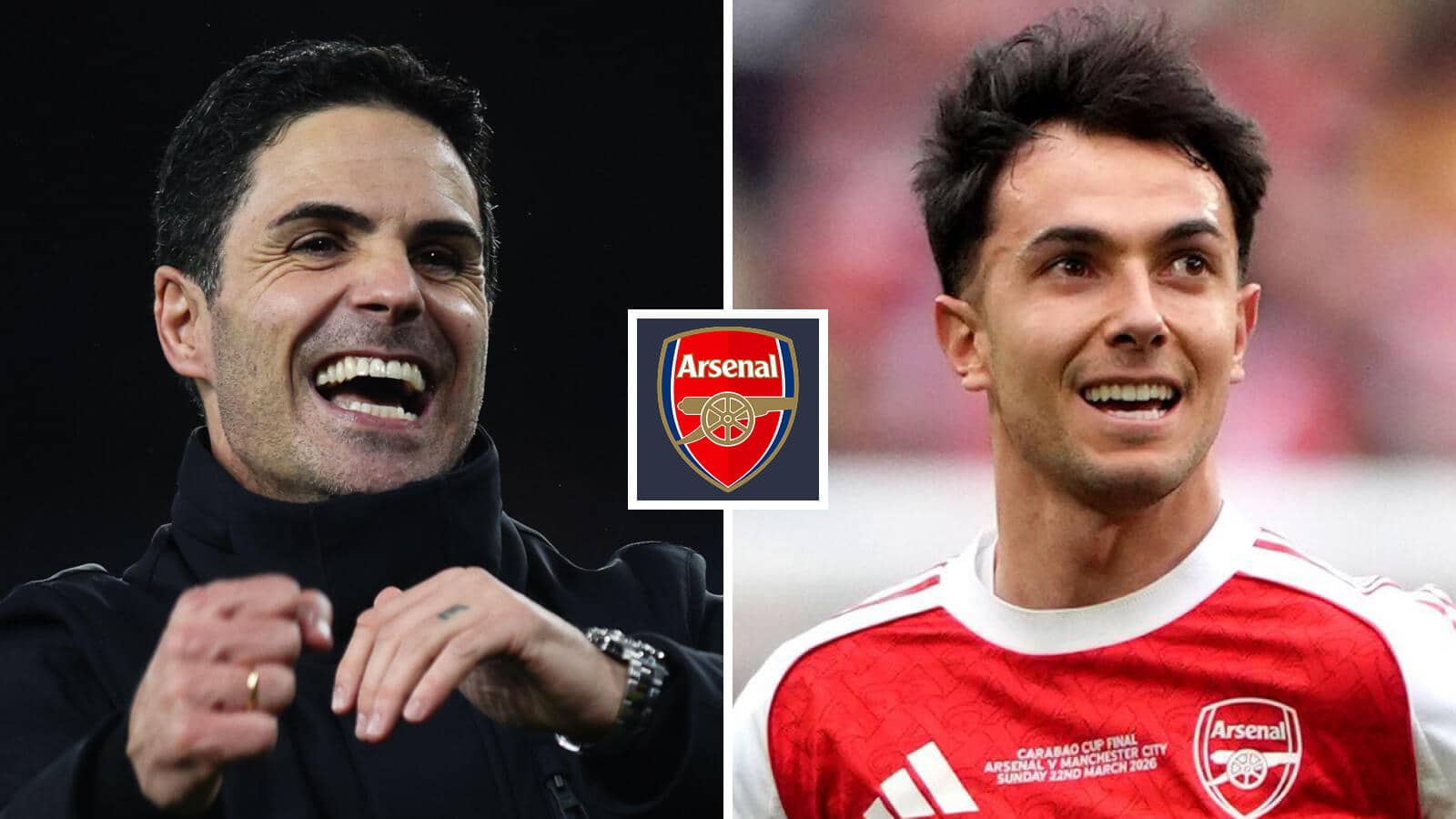
Adam Wharton emerges as top summer target for Arsenal's midfield evolution
2 hours ago
Manchester United’s Summer Obsession: Why Inconsistency Defines the Strategy
2 hours ago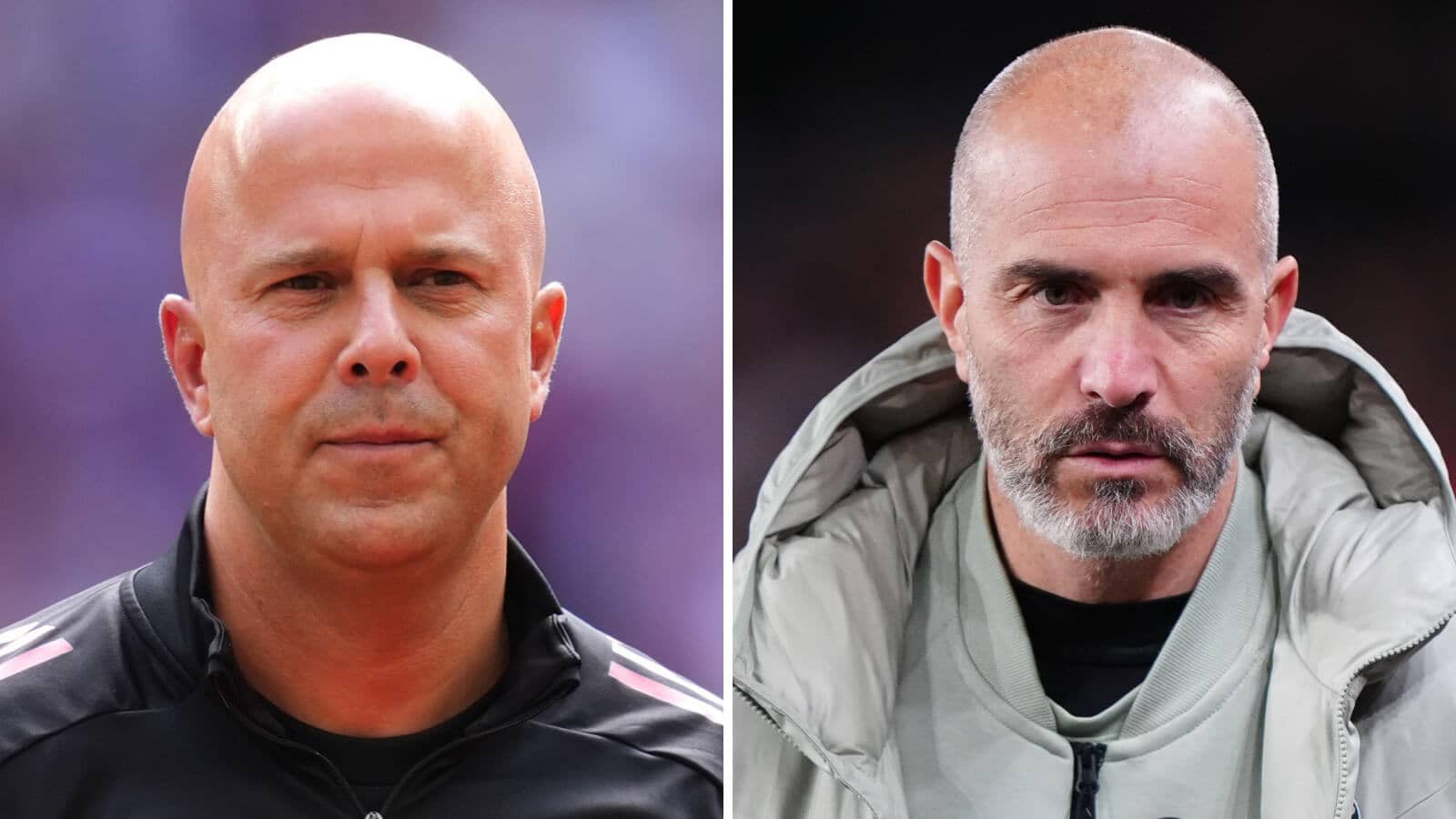
Liverpool chasing Yan Diomande in high-stakes €150m transfer scramble
2 hours ago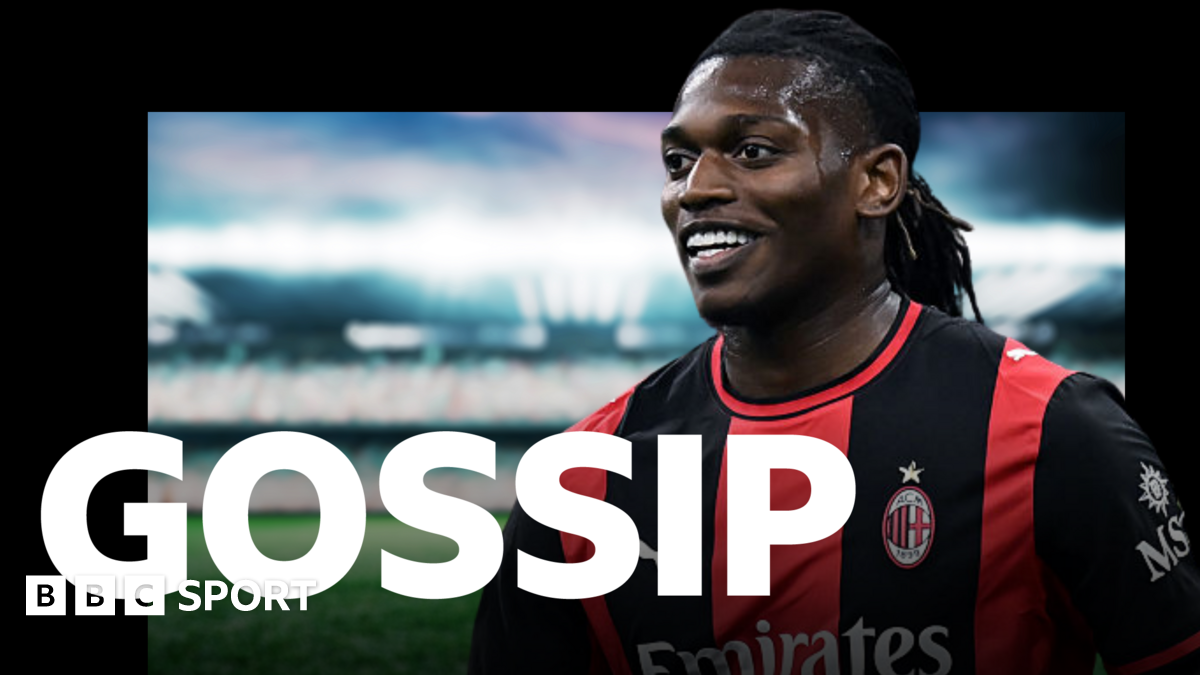
Manchester United are chasing ghosts with the Leao pursuit
4 hours agoMore Match Reports

Manchester United’s chaotic draw at Bournemouth proves they are going nowhere
2 months, 1 week ago
Manchester United are sleepwalking into a Bournemouth disaster
2 months, 1 week ago
Old Trafford is running out of ways to hide its cracks
2 months, 1 week ago
Manchester United are still trapped in the same tactical purgatory
2 months, 1 week ago
Michael Carrick's United frustrations reveal a team still stuck in neutral
2 months, 1 week ago