
Michael Carrick's United frustrations reveal a team still stuck in neutral

The Vitality Stadium reality check
The seaside air at the Vitality Stadium has a habit of exposing the cracks in even the most polished Premier League setups. Manchester United arrived on the south coast looking to build momentum, but left with a 2-2 draw that felt more like a defeat. Michael Carrick stood on the touchline, visibly exasperated by the officiating, yet the real story was the lack of cohesion on the pitch.
As the BBC reported, Carrick described the match as chaos, a sentiment that resonated with anyone watching the defensive lapses in the first half. Bournemouth pressed with a frantic, high-energy intensity that United struggled to match for long stretches. The home side forced turnovers in dangerous areas, leaving the visitors scrambling to recover their shape.
Defensive fragility and midfield gaps
United's back four looked disjointed whenever Bournemouth transitioned quickly. The space between the holding midfielders and the center-backs was gaping, allowing Bournemouth to pick passes with alarming ease. It is a recurring theme that keeps popping up in post-match analysis, regardless of who is in the dugout.
The individual errors were not limited to the defense. Ball retention in the middle of the park was uncharacteristically poor, leading to unnecessary pressure on the goalkeeper. When a team as talented as Manchester United gives away possession in the final third, they invite the kind of direct, physical assault that Bournemouth thrives upon.
Refereeing grievances vs. tactical failures
Carrick focused his post-match energy on the officiating, citing inconsistent decisions that disrupted the flow of the game. While refereeing standards remain a popular talking point, blaming the whistle often serves as a convenient shield for deeper tactical issues. A team of this caliber should be capable of securing three points without needing the officials to be perfect.
The second half saw a slight improvement in ball speed, yet the final ball remained elusive. Too many attacks stalled at the edge of the box, with players opting for safe sideways passes rather than taking the riskier, more penetrative option. This hesitation allowed Bournemouth to reset their defensive block, effectively nullifying United’s attacking threat.
The road ahead for Carrick
There is a lingering sense that this team is still searching for its identity. Relying on individual moments of quality to bail them out of trouble is not a sustainable model for a top-four finish. The lack of a clear, recognizable structure when under pressure is the most damning indictment of the current setup.
If the plan is to rely on fast breaks and individual brilliance, the midfield must provide more protection. Watching the team get overrun by a mid-table side highlights the urgent need for a more disciplined approach to defensive transitions. Carrick has work to do, and the clock is ticking faster than the points are accumulating.
A missed opportunity for growth
This draw represents two dropped points rather than a point gained. Bournemouth played their game perfectly, forcing United into a brawl rather than a tactical contest. By engaging in the chaos rather than controlling the tempo, United played right into the hands of the hosts.
The frustration expressed by the manager is understandable, but it should be directed at the lack of composure shown by his own players during the pivotal moments of the match. Until the team learns to manage these high-intensity environments with maturity, they will continue to fluctuate between brilliance and mediocrity. The path forward remains unclear, and the margin for error is shrinking with every passing week.
Adidas Unisex-Adult MLS League Soccer Ball
A durable, high-quality ball perfect for weekend pickup games.
Frequently Asked Questions
Why did Michael Carrick express frustration after the Bournemouth match?
What tactical issues caused Manchester United to struggle against Bournemouth?
How did Bournemouth exploit Manchester United's defensive setup?
What was the main criticism of Manchester United's attacking play?
What does the draw suggest about Manchester United's current identity?
More Coverage
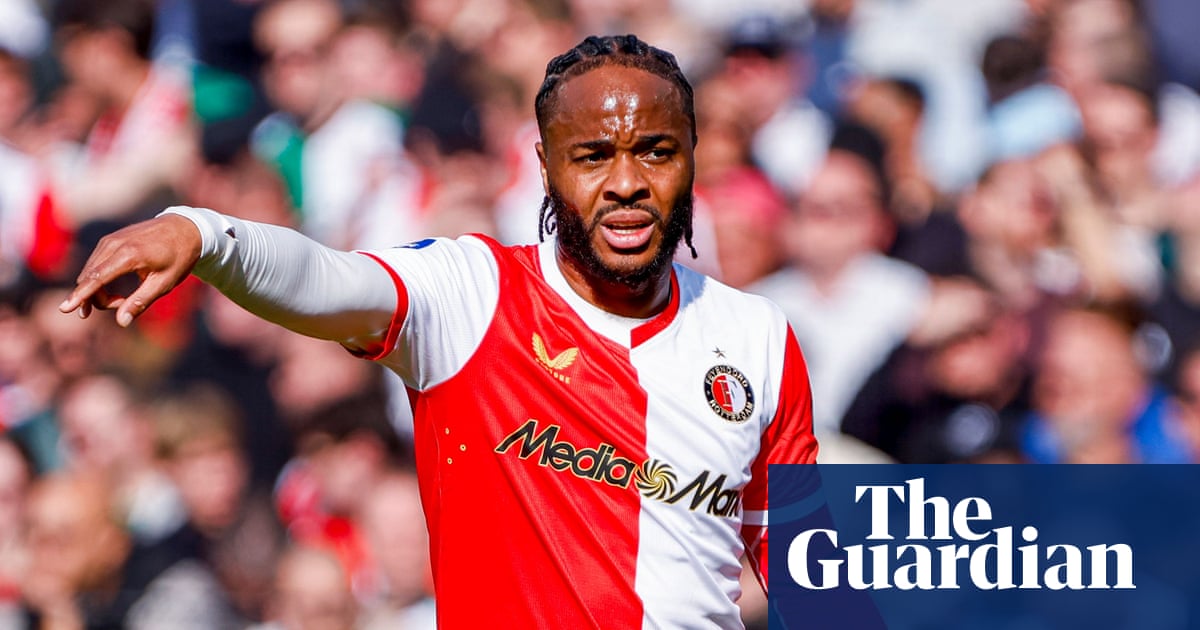
Raheem Sterling arrest marks a bleak chapter in a rollercoaster career
an hour ago
Arsenal’s Champions League heartbreak is a systemic failure of nerve
2 hours ago
Arne Slot's Liverpool exit: A 20th title followed by total collapse
3 hours ago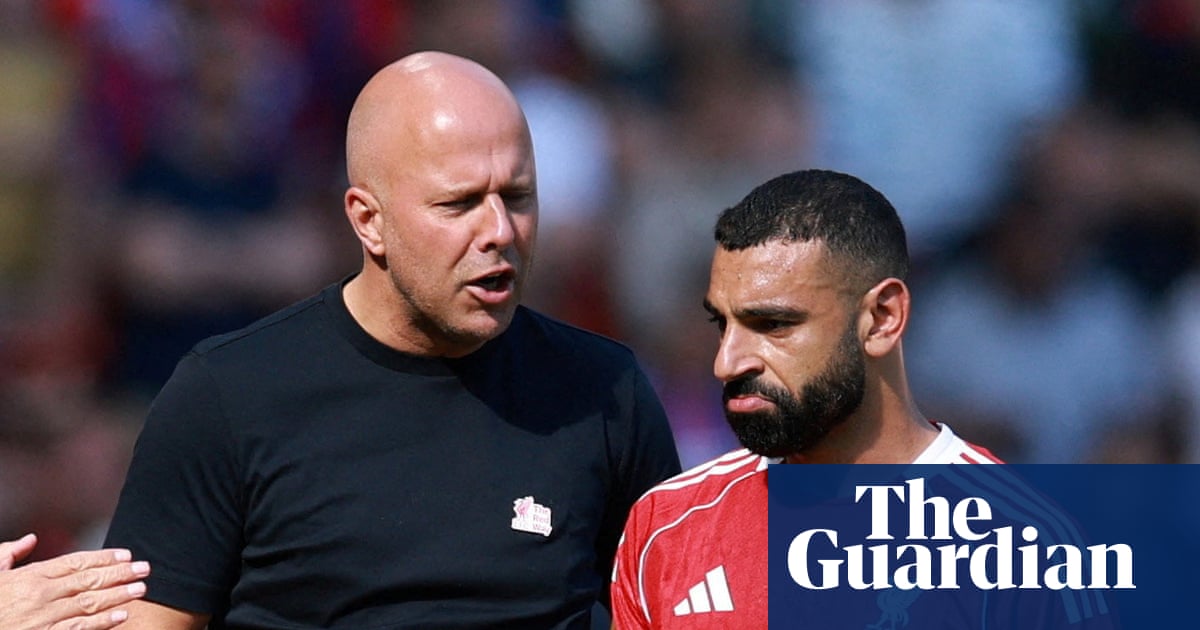
Top 10: Defining Moments of the 2026 Football Season
4 hours agoArsenal and PSG are locked in a tactical stalemate at the Allianz Arena
4 hours ago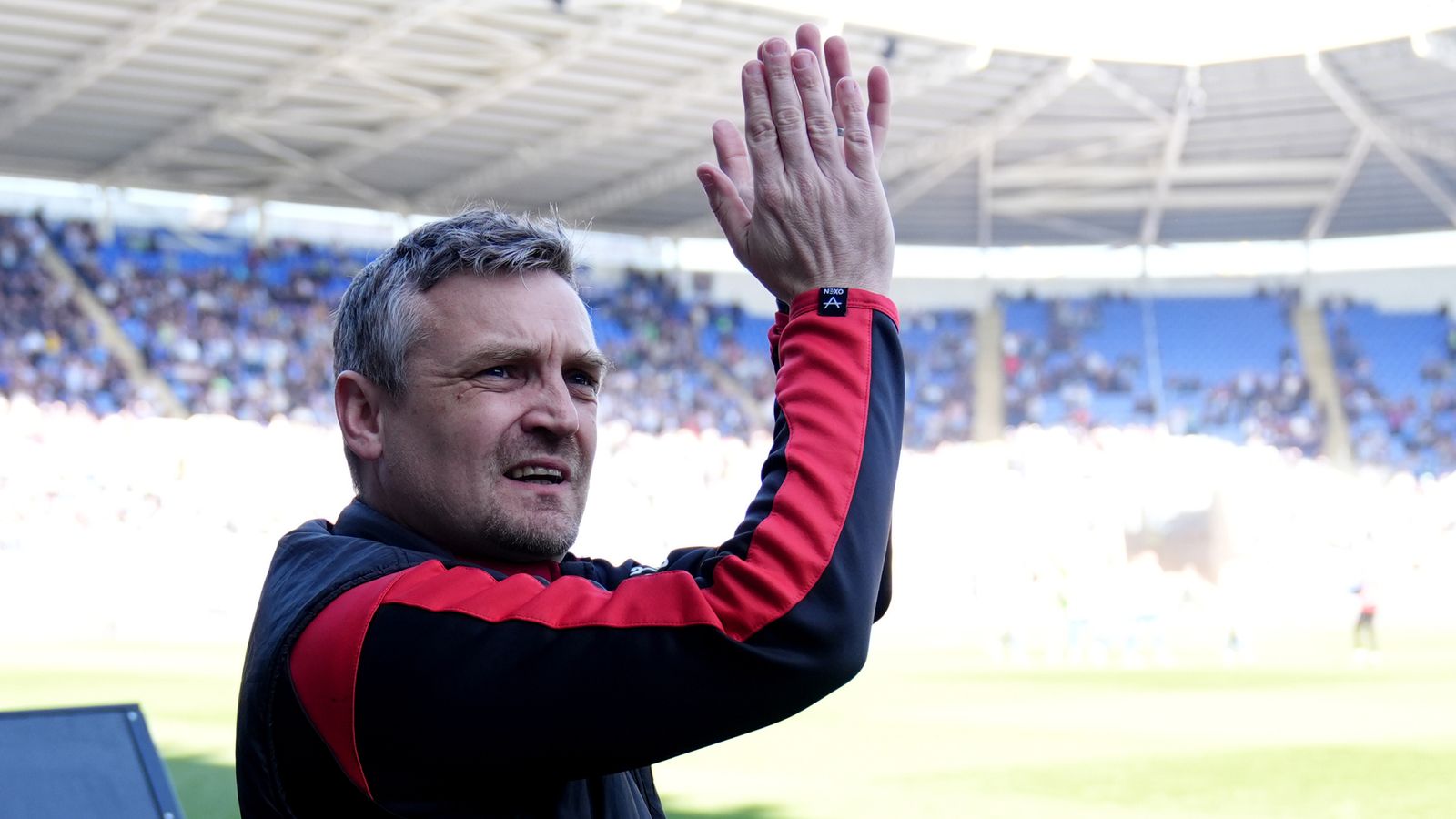
West Ham's recruitment search is a major red flag ahead of the window
5 hours agoMore Match Reports

Michael Carrick's Manchester United are stuck in a loop of beautiful chaos
2 months, 1 week ago
Michael Carrick's Bournemouth meltdown proves United are still spinning their wheels
2 months, 1 week ago
Manchester United are trapped in a cycle of chaos and refereeing controversies
2 months, 1 week ago
Manchester United are trapped in a cycle of chaos that no manager can fix
2 months, 1 week ago
Manchester United are still trapped in the same tactical purgatory
2 months, 1 week ago