Tier 2 Chatter: The Agent Speaks Out
The summer transfer window is already casting a long, expensive shadow over Old Trafford. Manchester United are gearing up for yet another massive squad overhaul.
Rio Ferdinand is publicly demanding the club sign four first-team players. The noise around the club is deafening.
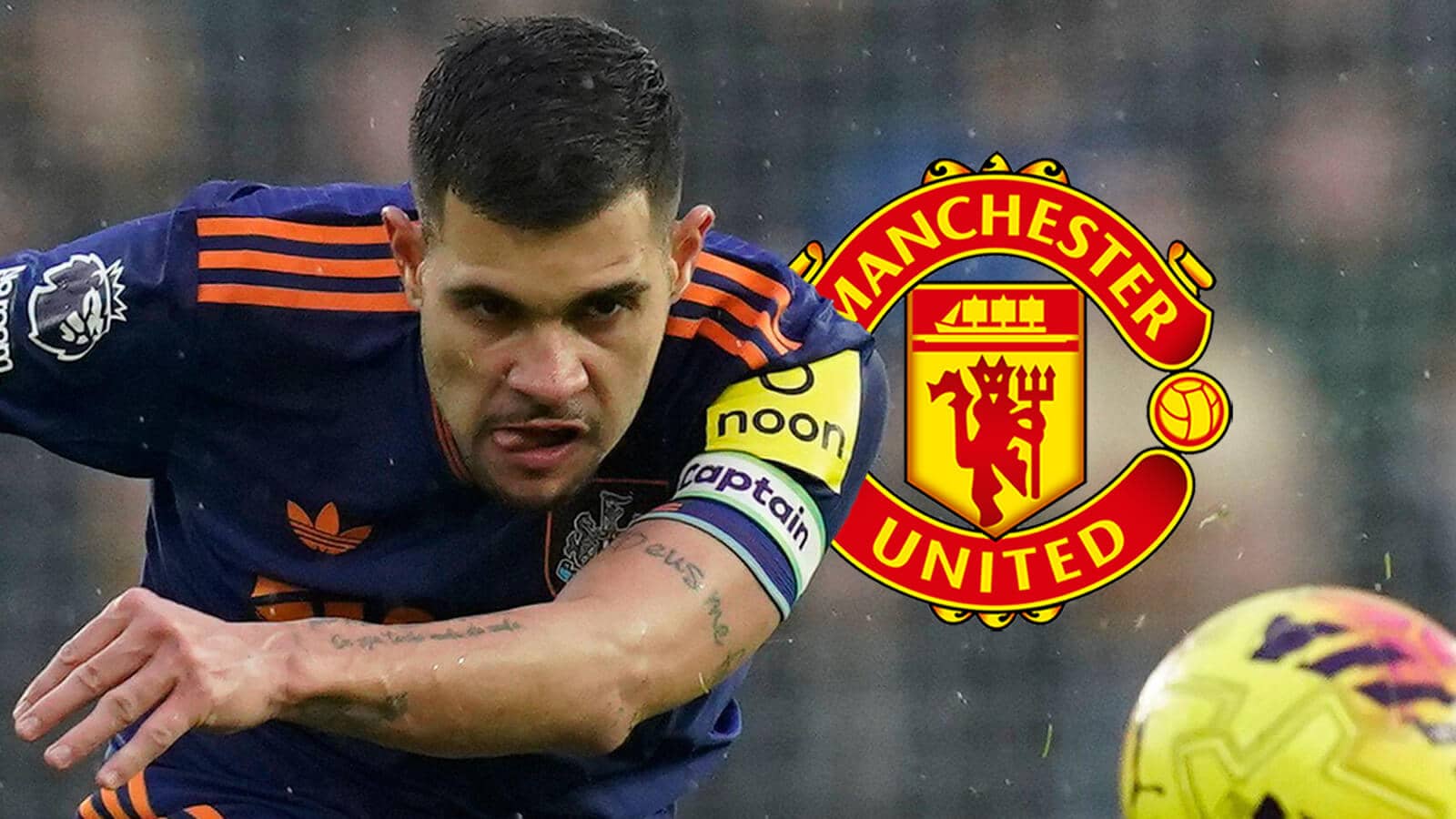
But the most compelling storyline right now involves a player who might not even be available. Newcastle United skipper Bruno Guimarães has been heavily linked with a move to Manchester.
Those murmurs hit a brick wall this week. Guimarães' agent took to social media with a cryptic post explicitly rubbishing the Manchester United transfer rumours.
When an agent speaks publicly, it is rarely an accident. This is classic Tier 2 transfer posturing.
The representative is controlling the narrative. He is either genuinely shutting down a move his client has no interest in, or he is publicly distancing the player to respect Newcastle fans.
Agents know exactly what they are doing when they hit send on a cryptic post. It kills the immediate media frenzy. It forces the buying club to either back off or make a formal, undeniable bid.
Given Newcastle's ambition and financial backing, prising their captain away was always going to be a nightmare for Ineos and the United hierarchy.
Guimarães is not just a player for Newcastle; he is the face of their modern era. He was the marquee signing that signaled their intent after the Saudi takeover.
Selling him to a direct Premier League rival would be a massive admission of defeat by the St James' Park board.
The Carrick Tactical Dilemma
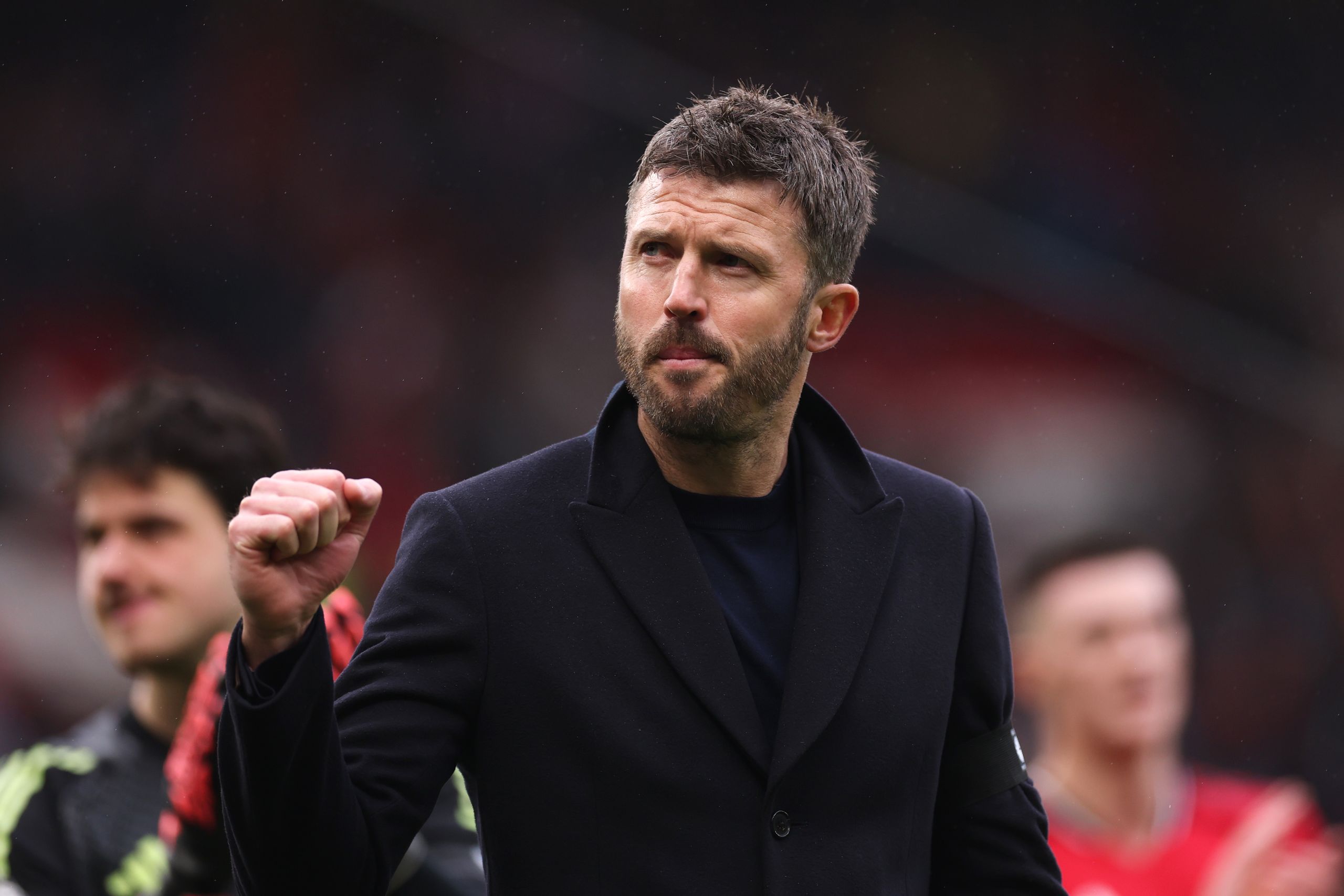
To understand why United are chasing a player like Guimarães, you have to look at the mess Michael Carrick has inherited.
The current United midfield is structurally broken. It has been for years. They lack a player who can receive the ball on the half-turn under heavy pressing.
Guimarães is exactly the profile of player they desperately need. He is an elite progressive passer. He dictates tempo in the middle third.
He also possesses the physical, combative edge required for the Premier League. He is not just a luxury passer; he wins his duels.
Carrick was a controller during his playing days. He knows exactly what a functional, possession-based midfield looks like.
Right now, the manager does not have one. He is trying to build a system out of spare parts and mismatched profiles.
The frustration inside the dressing room is already spilling out into the press. A representative for an unnamed Manchester United star came out swinging this week.
"I don't like it," the Red Devils star's representative told the media regarding his client's tactical role under Michael Carrick.
When agents are complaining to the press about tactical deployments, the manager has a serious problem. The squad is disjointed. Players are unhappy with their minutes and their instructions.
Carrick is trying to implement a specific style of play, but the personnel simply do not fit the blueprint.
A player like Guimarães would fix a massive structural hole. He would instantly link the defensive block to the attacking runners.
But wanting an elite midfielder and actually getting him are two entirely different realities.
The £74m Warning and Financial Realities
Manchester United have a well-documented history of disastrous transfer market decisions over the last decade.
They have routinely overpaid for players who do not fit a cohesive system. They buy names rather than profiles.
Michael Owen articulated this perfectly this week, stating that a £74m star currently at the club is not the answer for Manchester United.
That staggering price tag is a heavy burden. It highlights the exact kind of bloated, inefficient spending that Ineos are desperately trying to stamp out.
You look at the recent history of massive fees at Old Trafford. Jadon Sancho cost a fortune. Casemiro was wildly expensive. Antony cost an eye-watering sum.
None of those deals have delivered a sustainable return on investment. The club is paralyzed by the amortized cost of these failures.
If United want Guimarães, the fee will be astronomical. Newcastle hold all the power in any potential negotiation.
The Brazilian signed a new long-term contract recently, tying him down for five years. His valuation remains at that elite, nine-figure tier.
United cannot afford to sanction a massive transfer without moving players out first. The wage bill needs serious trimming before they can dream of signing a player of this caliber.
Ferdinand's demand for four new players is correct in theory. They need a striker, a central defender, and at least two midfielders.
But it is financially impossible without a massive fire sale. And right now, nobody is rushing to buy United's expensive cast-offs.
The Chelsea Circus and Competing Clubs
United also face severe competition if Guimarães genuinely becomes available.
Manchester City and Paris Saint-Germain have both tracked the Brazilian extensively. Both clubs have the financial muscle to execute a blockbuster deal without flinching.
More importantly, both of those clubs can offer immediate Champions League football. They offer a stable sporting project where a player can compete for major trophies instantly.
United are selling a rebuild. They are asking a prime-age superstar to sacrifice his peak years to fix their broken system.
You only have to look at the broader Premier League to see how quickly these rebuilds can turn into permanent chaos.
Just this week, a Manchester United legend tipped Frank Lampard for a shock managerial return to Chelsea.
The fact that Lampard returning to Stamford Bridge is even being discussed shows the level of instability at these massive clubs.
Chelsea have spent over a billion pounds and are still cycling through managers. United are desperate to avoid becoming the northern equivalent of the Todd Boehly circus.
But constantly chasing premium players while the current squad leaks complaints to the press is not a sign of a healthy sporting structure.
The Old Trafford Soul-Drain
There is a darker, much more depressing undercurrent to United's desperate scramble for transfer funds.
To finance these massive squad overhauls, the club is actively squeezing its most loyal, long-standing supporters.
The human cost of the modern Premier League was laid bare this week. A 76-year-old Manchester United fan was evicted from a seat his family has held since just after the Second World War.
He is one of 1,100 fans being forced to give up prime seats. The club is moving them out to make way for £300-a-head VIP hospitality tickets.
"I feel helpless and hopeless," the fan admitted to The Guardian after losing his family's historic seat.
It is a brutal, cynical move by the club hierarchy to boost matchday revenues.
They are quite literally tearing out the core matchgoing fanbase to fund the bloated wages of underperforming players.
It is a terrible look for a club that constantly preaches about its deep roots in the local community.
This is the grim reality of the Ineos era so far. The ruthless pursuit of cash to fix the mistakes of the past is alienating the people who actually care about the team.
Every time United waste money on a player who is not the answer, it is the legacy fans who end up footing the bill.
Probability Assessment: Will It Happen?
So, what are the actual chances of Bruno Guimarães wearing a Manchester United shirt next season?
Right now, the probability is incredibly low. The agent's public denial is a significant, immediate roadblock.
Newcastle have zero financial incentive to sell their captain to a direct domestic rival.
Even if Newcastle are forced to sell to comply with Profit and Sustainability Rules, they will demand a premium that United simply cannot afford without Champions League revenue.
The timeline for a potential deal would drag deep into the summer window.
It has all the hallmarks of a classic United transfer saga. It will likely end with them panic-buying a cheaper, older alternative on deadline day.
The Expected Impact
If Manchester United miraculously pull this off, the impact on the pitch would be immediate and transformative.
Guimarães would instantly become the best midfielder at the club. He would dictate the tempo of every game he plays.
Carrick would finally have the on-pitch lieutenant required to execute his possession-based system. The transition from defense to attack would become fluid rather than forced.
It would also send a massive statement of intent to the rest of the Premier League. Plucking a rival's captain is a move out of the Sir Alex Ferguson playbook.
But the cost of that statement might be too high. Committing that level of finance to one player would severely restrict their ability to fix the rest of the squad.
A brilliant midfielder cannot stop goals going in if the defense behind him is constantly injured.
Guimarães would raise the floor of this Manchester United team significantly. Whether he could raise the ceiling enough to justify the price tag is another question entirely.
Read Next
- Man United's midfield obsession exposes their biggest tactical flaw
- Premier League panic: Arsenal's cup hangover and the Eddie Howe dilemma
- Man United's manager paralysis and Arsenal's cup final hangover
- Newcastle's PR disaster masks a deeper tactical rot
- 🇧🇷 Brazil World Cup 2026 — A Seleção Hub
- 🏆 Europa League Final 2026 — Full Coverage Hub