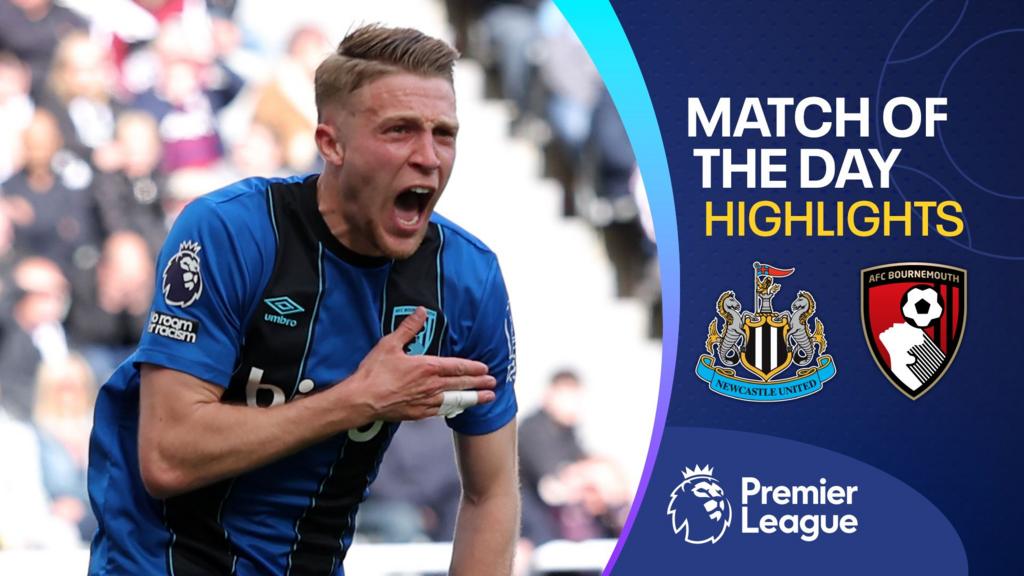
Newcastle's PR disaster masks a deeper tactical rot
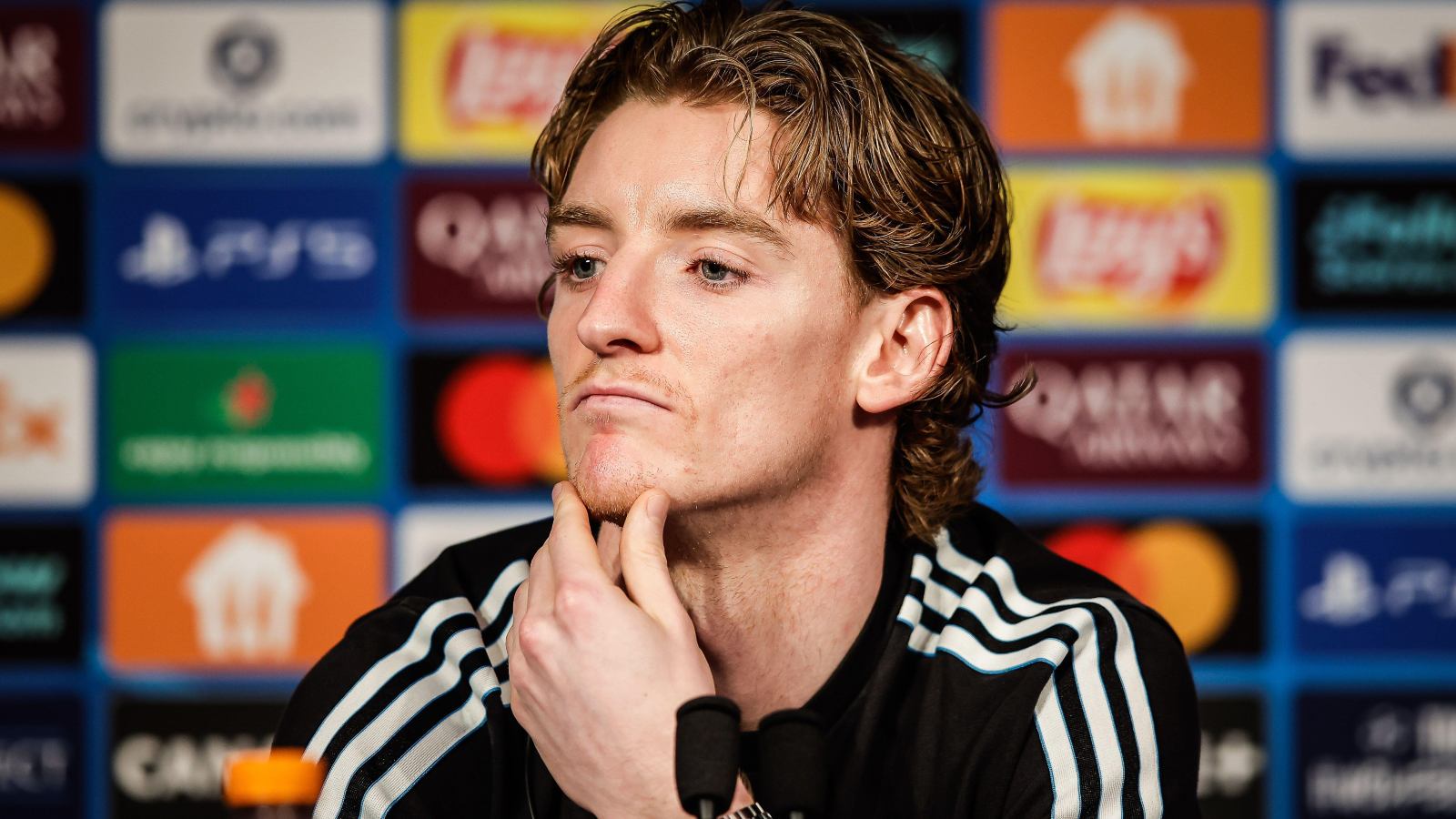
The 90th-minute implosion
You can talk about the emotion of a Tyne-Wear derby until you are blue in the face. You can talk about the noise, the history, the sheer visceral hatred that hangs over St James' Park when Sunderland come to town.
But football, at its core, is still about what happens between the white lines.
And what happened on Sunday was a comprehensive tactical failure by Newcastle United, masked only temporarily by the PR disaster that followed.
When Brian Brobbey bundled home that 90th-minute winner for Sunderland, securing a 2-1 comeback victory for the Black Cats, it wasn't just a late goal in a big game. It was the culmination of a second-half performance where Newcastle systematically dismantled their own structural integrity.
The midfield vacuum
Let's look at the shape. For the first 45 minutes, Newcastle controlled the tempo. They weren't brilliant, but they were secure. The press was coordinated. The distances between the midfield three and the defensive line were tight.
Then, inexplicably, it fell apart.
As the second half wore on and Sunderland began to push, Newcastle didn't drop deeper to absorb pressure, nor did they maintain an aggressive high press to disrupt the buildup. They did something far worse: they drifted into the dead zone.
The midfield line pushed up, chasing shadows, while the defensive line, perhaps wary of Brobbey's pace, dropped off. The result? A massive, gaping hole in the center of the pitch. Sunderland didn't have to play through Newcastle; they just had to play over the first line of the press and let their runners attack the vast expanse of green grass in front of the Newcastle center-backs.
It's basic defensive spacing, and Newcastle got it completely wrong.
The PR meltdown
And then came the aftermath.
Losing a derby is bad. Losing it at home is worse. Losing it with a late goal after being ahead is a gut punch. But the reaction from the club was, frankly, embarrassing.
As Football365 reported, not a single Newcastle player was put forward to speak to the written press in the mixed zone after the game. Journalists were directed to an interview on the club's own website.
It's a cowardly approach to media relations, a desperate attempt to control the narrative when the narrative has already slipped out of your grasp.
Alan Shearer, a man who knows a thing or two about this fixture, didn't hold back. His assessment of the performance as "pathetic" hit the nail on the head. He wasn't just talking about the effort; he was talking about the application, the tactical discipline, the sheer lack of on-pitch leadership when things started to go wrong.
Gordon's delusion
When someone finally did speak, it didn't help.
Anthony Gordon, speaking presumably to the club's in-house media, claimed that the defeat was "not good enough" because Sunderland are "not very good" compared to Newcastle.
"Sunderland are not very good compared with Newcastle" - Anthony Gordon
It's a bizarre statement. It smacks of an entitlement that hasn't been earned. Yes, Newcastle have the financial backing. Yes, they have the more expensive squad. But on the day, in the moments that mattered, Sunderland were better.
They were better organized in the second half. They recognized the tactical flaws in Newcastle's setup and exploited them. Brobbey didn't score the winner by accident; he scored it because Sunderland consistently found space in the channels that Newcastle vacated.
The wider problem
This isn't just about one bad result. It's about a recurring theme.
When Newcastle are put under pressure, when the game state changes and they need to adapt, they often look disjointed. The tactical rigidity that serves them well against weaker opposition becomes a straitjacket against teams that force them to think.
The PR disaster class is just noise. The real issue is the structural fragility that was exposed for all to see. Until Newcastle address that, the noise is only going to get louder.
Read Next
- Newcastle are spiraling after a brutal derby defeat to Sunderland
- Newcastle are walking into a tactical trap at the Stadium of Light
- Eddie Howe is the perfect Newcastle figurehead who shouldn't be coaching them
- Top 10 Moments From Newcastle's Derby Disaster
- 🏟 EFL Championship 2025-26 — Promotion Race & Play-Off Final Hub
Adidas Unisex-Adult MLS Club Competition Soccer Ball
Professional-grade feel for your Sunday league or weekend park kickabout.
Frequently Asked Questions
What caused Newcastle's tactical failure against Sunderland?
How did Sunderland secure their victory over Newcastle?
Why was Newcastle's post-match media strategy criticized?
What controversial comment did Anthony Gordon make after the match?
How did Alan Shearer describe Newcastle's performance?
More Coverage

Anthony Gordon to Barcelona marks a high-stakes gamble
29 minutes ago
Arsenal vs PSG: Why tactical rigidity will determine the European champion
30 minutes ago
Arsenal's 104 million gamble on Julian Alvarez is pure chaos
30 minutes ago
Top 10: The Definitive Arsenal Moments of the 2025/26 Season
an hour agoLincoln City just entered the weirdest experiment in League One history
2 hours ago
Newcastle are burning the furniture to keep the house warm
2 hours agoMore Analysis
Newcastle are in a freefall and the upcoming fixtures won't save them
2 months, 1 week ago
Newcastle are walking into a tactical trap at the Stadium of Light
2 months, 1 week ago
Sunderland are walking into a tactical nightmare against Newcastle
2 months, 1 week ago
Top 10 Moments From Newcastle's Derby Disaster
2 months ago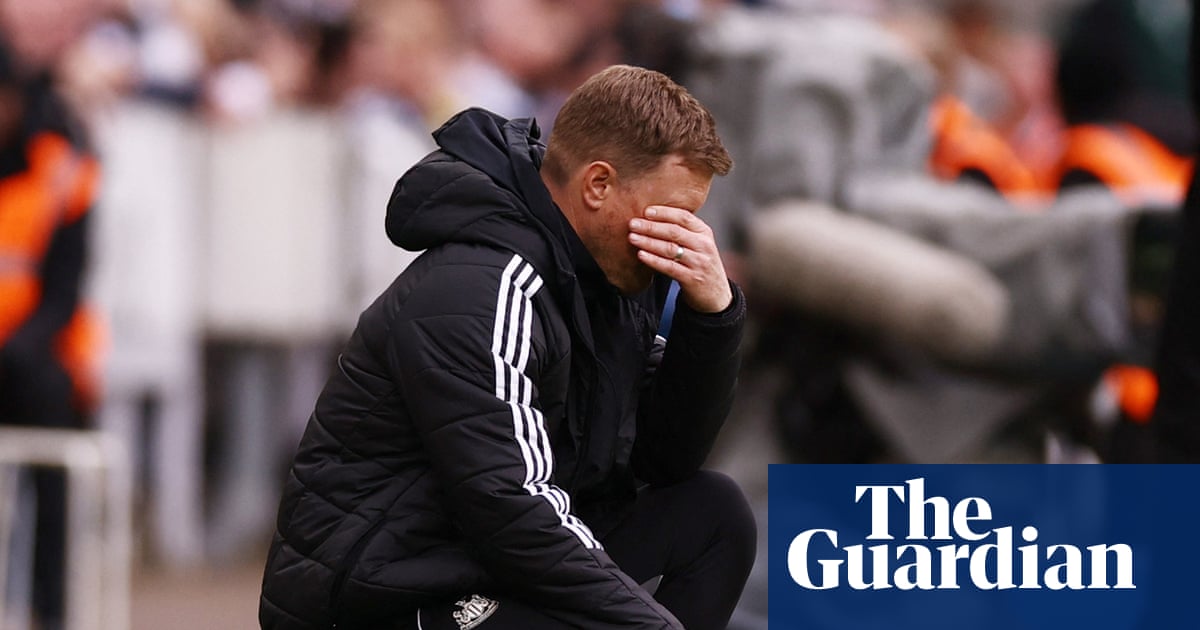
Eddie Howe is running out of road at Newcastle
1 month, 1 week ago