Tier 1 status: The Tuchel-Saka dynamic
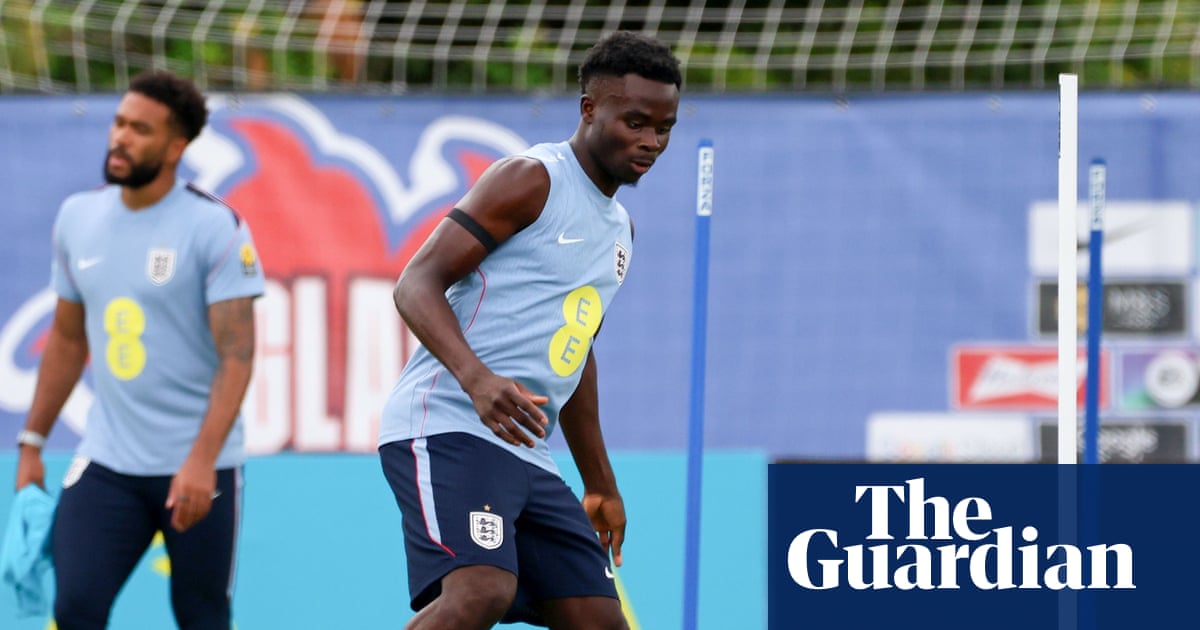
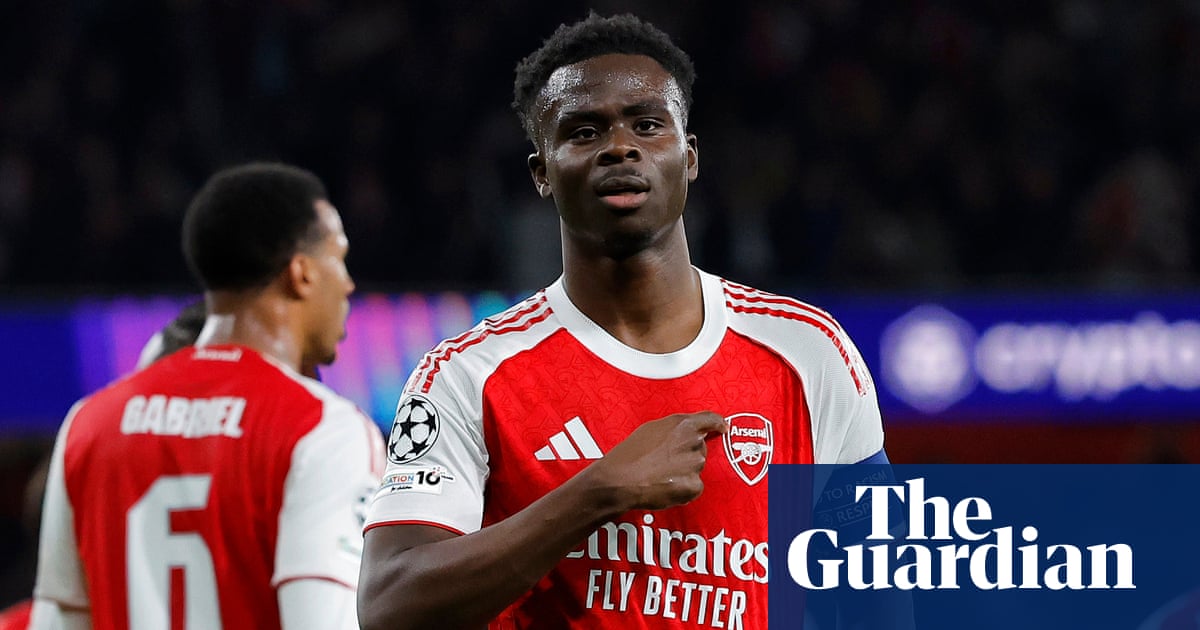
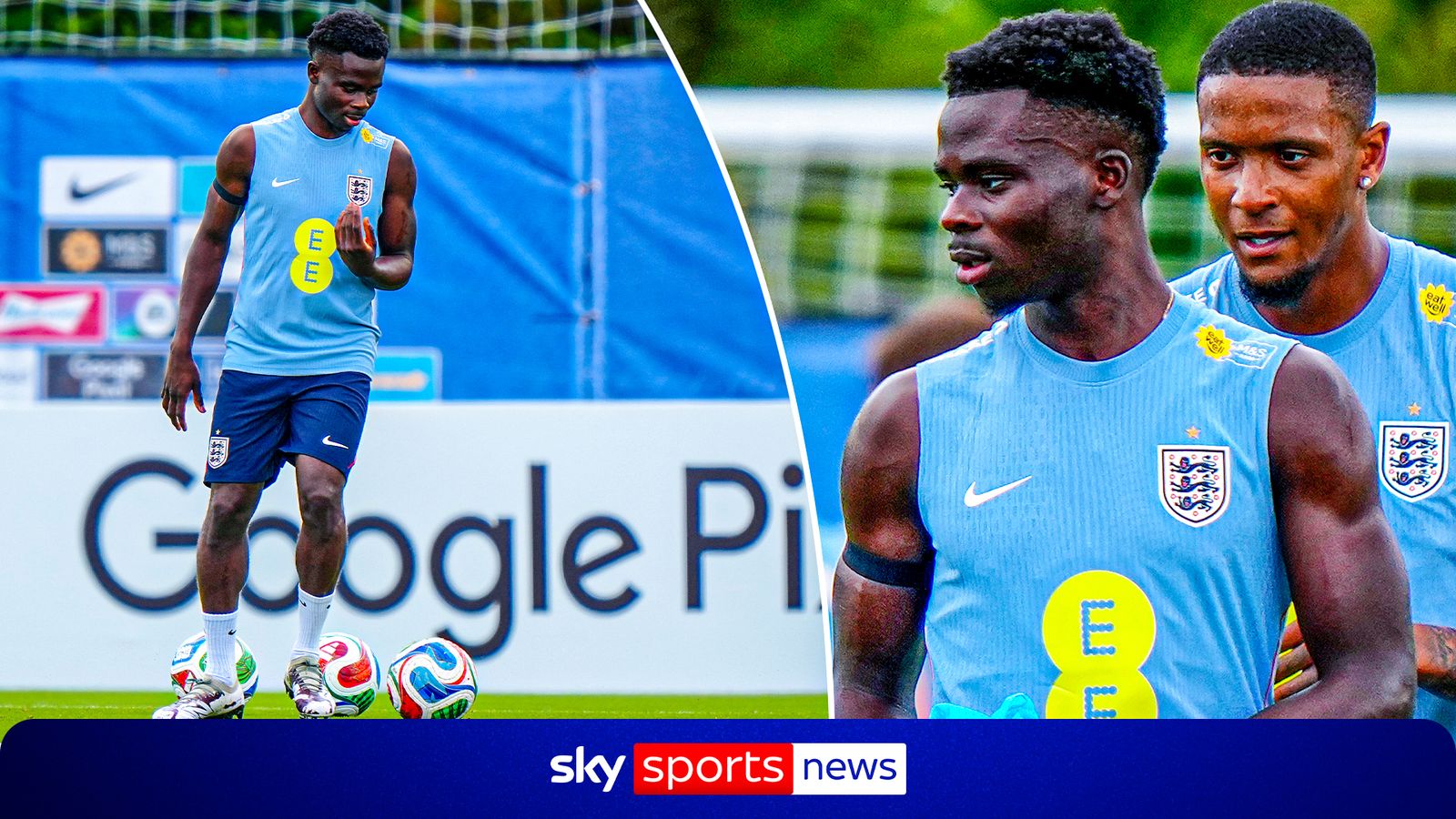
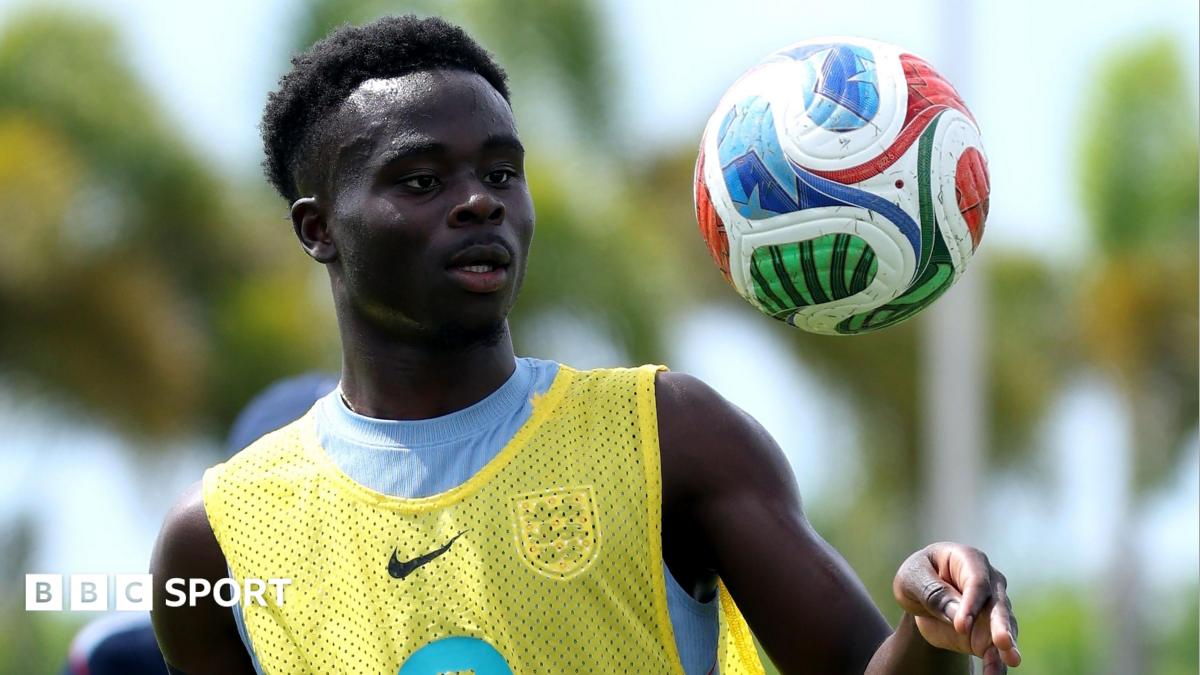
As confirmed by BBC Sport, England head coach Thomas Tuchel is currently managing Bukayo Saka with high levels of caution. This update arrives just 48 hours before the FIFA World Cup 2026 kicks off, putting the Arsenal winger at the center of national fitness speculation.
While the focus is on international competition rather than a club-to-club transfer, the implications for his market valuation and availability are heavy. Tuchel’s comments acknowledge the physical toll of the 2025-26 Premier League season on key personnel.
Tactical fit and national reliance
Saka remains the primary outlet for England's right-flank progression. Tuchel’s system demands high-intensity sprints, which relies entirely on the 24-year-old being at 100 percent capacity. If he isn't playing, England’s attacking width becomes narrow and predictable.
The risk here is clear for any club scouting him: persistent over-usage. Managers often treat him as a player who can clock 50 games per year without consequence. Tuchel’s admission of providing 'a little bit of care' suggests the staff finally recognizes the fatigue wall.
The contract and injury friction
Saka is firmly entrenched at Arsenal, with his current deal running deep into the late 2020s. Any transfer rumor regarding his departure is effectively noise given his status as an academy graduate and captain-level figure. However, the recurring issue is his minutes played.
Critically, playing through minor knocks has become a staple of his career path. This is not sustainable. Engineering a deep tournament run requires managing players who are already showing wear in their lateral movement, especially before the first group stage match begins on June 11.
Probability and outlook
There is zero percent chance of a transfer this window. He is immovable from the Emirates Stadium. The real story is his readiness for the opener.
If the injury management fails, England’s creative output will drop significantly. Tuchel needs his wingers to rotate at speed to unlock low-block defenses. Sacrificing the first game to ensure health for the knockout phase would be the smartest coaching decision in the room.
Ultimately, the impact of this 'care' protocol will be felt on the pitch within days. If Saka is benched or shows restricted acceleration during early matches, expect the British media to treat his hamstring health as a national emergency. A player of his profile requires explosive bursts, not a managed, slow-burn approach throughout a tournament.
As BBC Sport reported, the focus is squarely on maintaining the squad's integrity for the long haul. The success of this summer hinges on whether the coaching staff can balance high-level tactical demands with the obvious physical reality of a player pushed to his limits for seasons on end.
Critical assessment
The reliance on Saka is the biggest flaw in the current England attacking set-up. Lack of a proper like-for-like backup forces the hand of the manager. Carrying a player who requires load management into a tournament is exactly how high-intensity teams lose their edge by the quarterfinals.
It is a recurring frustration for fans that international squads are built on thin margins of health. If one wing goes dark, the tactical shape shifts too much, hindering the team's ability to stretch the field. Tuchel knows this, which explains the uncharacteristic public honesty about managing a key starter's load.
Read Next
- Thomas Tuchel is walking into a disaster with Bukayo Saka
- England's World Cup hopes are fading before the first whistle
- Thomas Tuchel faces a massive gamble with Bukayo Saka
- England’s Harry Kane dependency is a ticking time bomb
- 🏆 World Cup 2026 — Full Coverage Hub
- 🏴 England World Cup 2026 — Three Lions Hub