Saka’s fitness status remains a primary concern
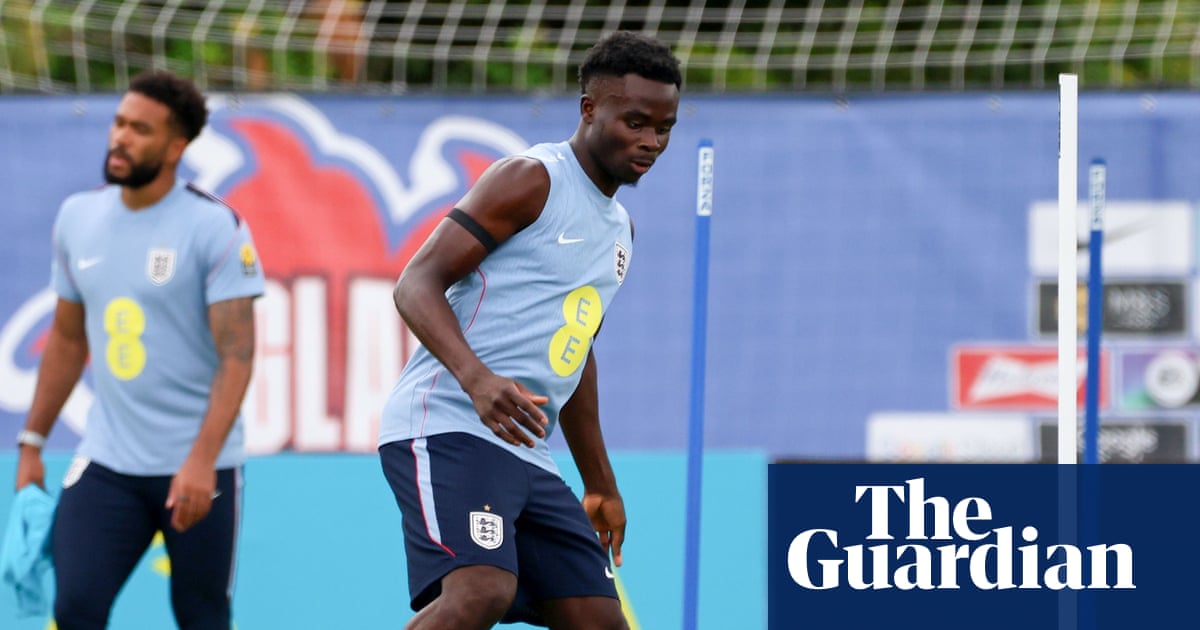
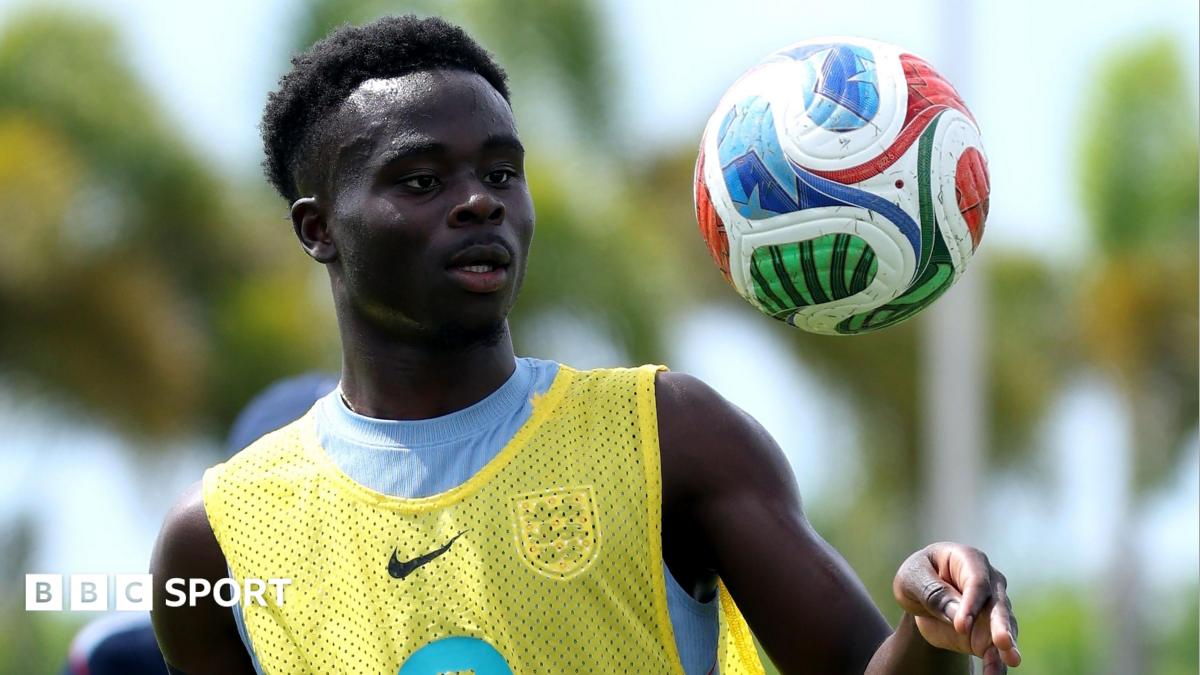
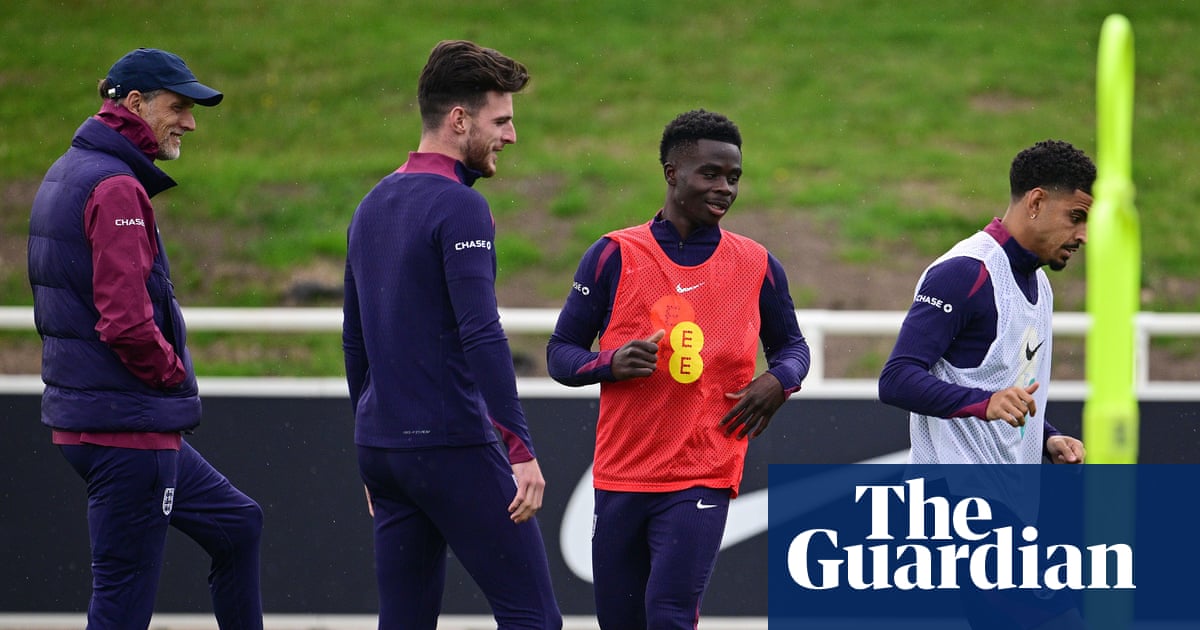
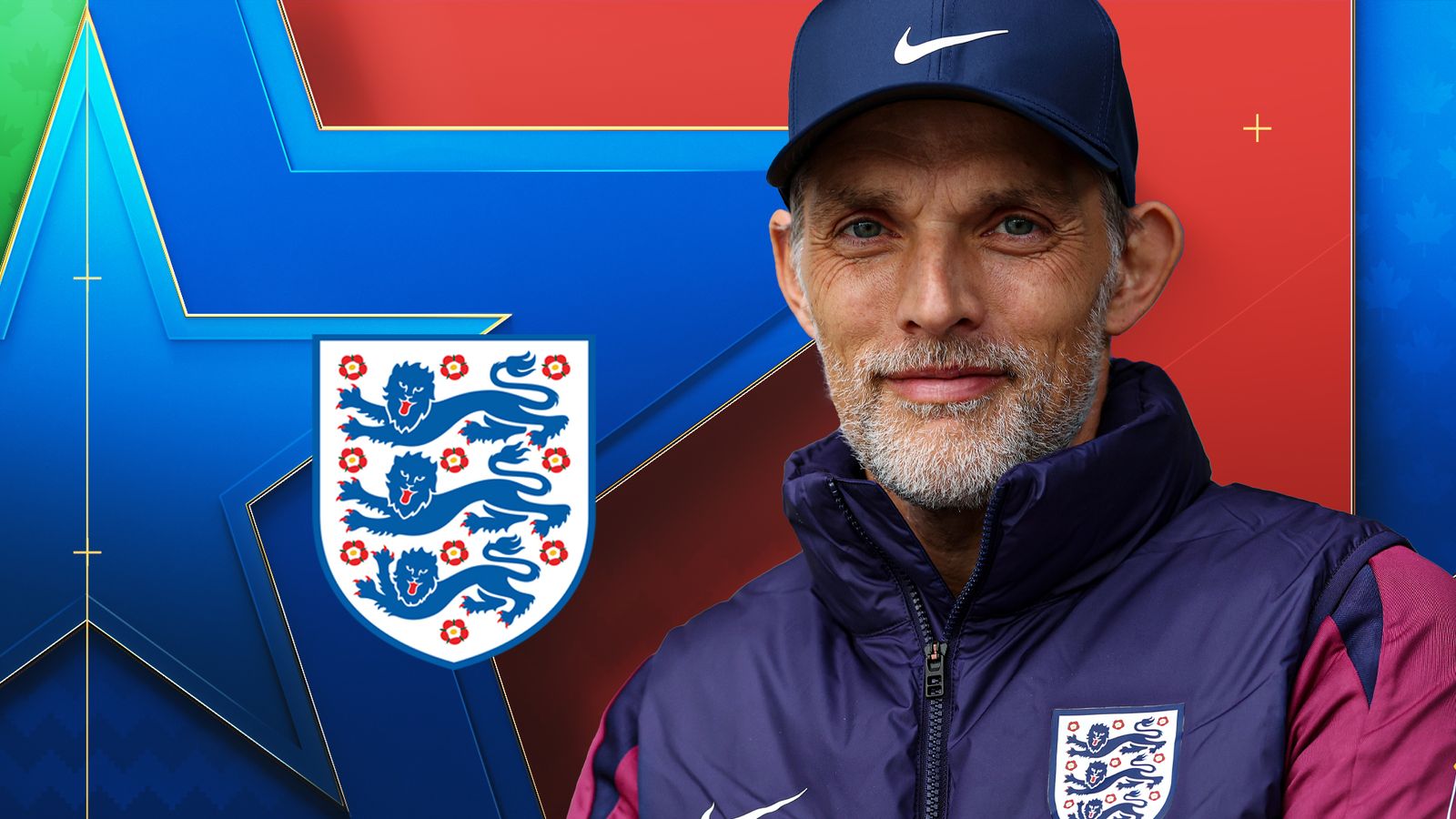
England manager Thomas Tuchel confirmed today that Bukayo Saka is managing a minor physical set-back. The winger was limited during training sessions leading into the FIFA World Cup opener. Saka did not participate in the full-contact drills held at the team’s base camp on June 9, 2026.
This development comes just twenty-four hours before England’s first match. Tuchel has been tight-lipped regarding the specific nature of the issue. Sources indicate the medical staff is monitoring a soft-tissue concern in his lower right leg. It is not considered a long-term problem, though his availability for the opening whistle remains uncertain.
Tactical ripple effects of a potential absence
If Saka is ruled out, England loses its most consistent outlet on the right flank. He has been the focal point of the attacking transition during the qualification cycle. His absence would force Tuchel to adjust his tactical shape abruptly. Cole Palmer and Jarrod Bowen are the direct candidates to fill the spot if the wing-forward is sidelined.
The England camp has attempted to downplay the severity of the situation. Training intensity has been throttled back for several key players to manage fatigue. This is a common practice before tournament play, but skipping full-contact work so close to kickoff suggests more than just simple load management. The team’s efficiency in the final third relies heavily on Saka’s ability to draw markers.
Historical context and risk management
England has a deep history of entering major tournaments under the cloud of minor injury concerns. Players like Wayne Rooney and David Beckham famously dealt with late-stage fitness scares ahead of previous World Cup campaigns. The current staff is clearly attempting to avoid a premature risk. Pushing a player through a strain this early can result in a tournament-ending muscle tear.
The current scheduling demands leave little room for error. With the group stage matches condensed, missing one game can turn into missing the entire knockout qualifying phase. Tuchel faces a pressure-cooker scenario. Starting a less-than-fit Saka risks an in-game substitution and wasted tactical utility. Sitting him risks dropping points against a side England should be dominating on paper.
The broader medical outlook
Modern sports science prioritizes short-term protection over legacy performance. The England medical team is utilizing advanced imaging to track the status of the affected area. Staffers are keeping a close watch on his mobility during pre-match warmups. The official team sheet will be the first concrete indicator of his status.
Critics point out that internal fitness testing should have identified these fatigue indicators earlier in the training cycle. Waiting until the eve of the tournament to announce a limitation reflects a lack of transparency or perhaps a late-developing injury. The squad depth is tested immediately. Maintaining physical integrity across seven potential matches is the primary challenge for the staff. Tuchel’s decision will be scrutinized heavily by those keeping tabs on England’s World Cup updates throughout the week.
Rotation will be vital throughout this tournament. Excessive minutes for starters against weaker opponents often lead to the kind of fatigue that causes these soft-tissue flare-ups. Whether Saka sits out or plays through discomfort, the priority for the England staff is clear. They must reach the knockout stages with a full-strength roster ready for high-intensity fixtures.
Strategic considerations for the Three Lions
The coaching staff cannot afford to be sentimental regarding fitness. Tactical versatility is at a premium when key starters fluctuate in health. If the coaching staff elects to bench him as a precaution, they must ensure his replacement has the necessary game preparation. Transitioning between wide players requires precise drills that cannot be simulated during a standard match day.
Should the injury prevent him from starting, the team must shift their point of attack. Expecting a direct replacement to provide the same level of service is a gamble. Tuchel likely has a contingency plan involving inverted fullbacks to compensate for the reduction in natural width. The success of this tournament for England hinges on these precise, data-driven decisions regarding player health. Fitness will be the defining metric of this campaign, more so than simple tactical acumen or individual talent.
Read Next
- Tuchel’s Saka admission is the start of an England headache
- Thomas Tuchel sets a high bar for England ahead of World Cup opener
- Thomas Tuchel faces a massive gamble with Bukayo Saka
- Rio Ngumoha's exit is tactical reality, not an injury concern
- 🏆 World Cup 2026 — Full Coverage Hub
- 🏴 England World Cup 2026 — Three Lions Hub