Saka injury scare puts national team on red alert
Bukayo Saka’s physical conditioning remains the primary concern for Gareth Southgate’s England squad with the World Cup kickoff just 13 days away. Sources within the England camp confirmed on May 29, 2026, that the winger has been placed on a restricted training schedule to manage recurring muscle fatigue in his lower quadriceps. The decision follows a heavy domestic season that saw Arsenal push for silverware until the final weeks of play.
While the internal report clarifies this as a precautionary move rather than a structural tear, the timing is less than ideal. England’s medical staff is prioritizing recovery over intensity. Training sessions for the 24-year-old are currently limited to non-contact drills and light aerobic work. If this protocol holds, Saka is expected to participate in full-team training by June 5.
The cost of a bloated domestic calendar
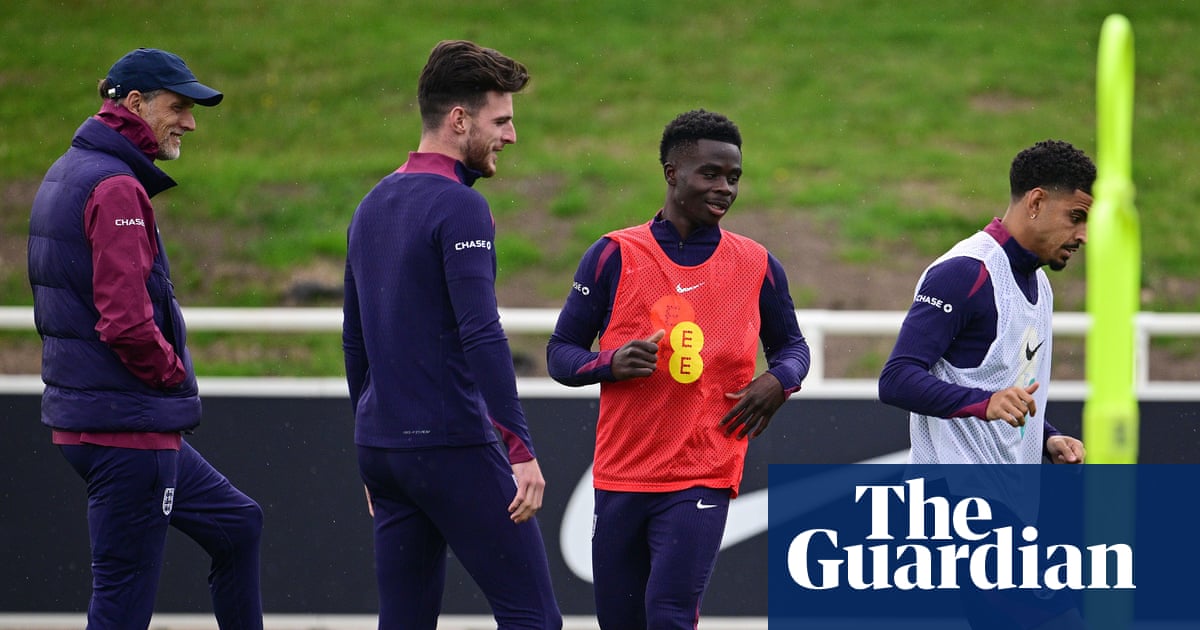
Saka’s current status reflects the broader toll on European talent. Arsenal utilized their winger for over 4,000 minutes during the 2025-26 campaign, an exhausting volume that leaves little buffer for international tournaments. The reliance on individual stars has become a point of contention among coaching staffs. As The Guardian reported, Saka’s rise from the youth ranks was built on consistent growth, but that development path is currently compromised by playing time demands.
Historical precedents suggest caution is mandatory here. Similar muscle fatigue issues famously derailed England’s chances during the 2022 tournament, where key personnel arrived at the camp in a state of exhaustion. The risk of promoting a minor strain into a Grade 1 tear is high if the player is rushed back into high-intensity sprints. If the issue does not subside, Southgate faces a major tactical headache just before the opening group stage matches.
Strategic implications for Southgate's XI
The tactical fallout of a restricted Saka involves real personnel shifts. England’s attack is built around his ability to isolate defenders on the touchline, a trait that Arsenal’s former head of coaching noted long ago is essential to breaking defensive blocks. Without his full pace, England loses its most reliable outlet for transitioning out of a deep block.
Failure to manage the workload effectively could result in a significant drop-off in production. Southgate is reportedly assessing Cole Palmer as a potential rotation option, though the lack of synergy on that flank would be a regression. Relying on a player who is already at 80 percent of his natural explosiveness is a gamble that rarely pays dividends in tournament play. This is a recurring critique of modern management cycles—prioritizing club survival over player longevity in the summer window.
Predictable outcomes or avoidable oversight?
The medical staff's decision to pivot to a controlled load is an attempt to mitigate a disaster. It is a reasonable move for a high-value asset, yet it highlights a lack of squad rotation earlier in the season. Arsenal’s failure to provide adequate cover for their starting winger meant Saka played through minor knocks far too often in March and April. The current protocol is an attempt to correct a mistake that should have been addressed months ago.
The timeline for recovery is narrow. If there is no marked improvement in muscle elasticity by the team's arrival at the base camp, expectations for his contribution in the opener must be downgraded. It is a status worth monitoring closely as team lists are finalized. The final squad submission deadline is June 7, leaving exactly nine days for the medical team to find a definitive answer on his fitness levels.
Read Next
- Arsenal's title defense faces chaos as Rice battles fresh injury concerns
- England’s 2026 World Cup Group: A familiar recipe for disaster
- Neymar's World Cup status in doubt after training camp medical emergency
- Pochettino moving to Milan mid-cycle is a dereliction of duty
- 🏆 World Cup 2026 — Full Coverage Hub
- 🏴 England World Cup 2026 — Three Lions Hub
- ⭐ UCL 2026 — Champions League Quarter-Finals Hub