The simulation debate hits a fever pitch
Motherwell boss Jens Berthel Askou has finally cracked. After seeing Callum Slattery slapped with a four-game ban for simulation, Askou is calling for a standard that frankly doesn't exist in the modern game. Nobody likes a diver, but when the disciplinary process feels like a random number generator, the fans have every right to riot in the threads.
The reaction online ranges from absolute outrage to cynical acceptance. Some supporters believe the punishment is a necessary evil to scrub the theatrics out of the Scottish game. Others, clearly fed up with the officiating, see this as little more than a scapegoat operation while weekly refereeing blunders go unchecked.
The pro-ban crowd: A cleaner future?
The enthusiasts argue that removing simulation from football is exactly like removing dead weight from a space shuttle. If you don't punish the flailing, you reward the actors. One Reddit user noted that if players know a dive costs them nearly a month of wages and time on the pitch, they might actually stay on their feet under pressure.
This camp points to the integrity of the sport as the ultimate goal. They want the theatrics gone by any means necessary, even if it means sacrificing a player to set a precedent. It’s hard to argue with the desire for a cleaner game, though the methods are leaving a sour taste.
The skeptics: Where is the consistency?
Then you have the skeptics, and honestly, they have the stronger argument. How can you ban Slattery for four games when other blatant acts of gamesmanship happen nearly every weekend without a whisper from the disciplinary committee? It feels like the governing bodies are picking and choosing who to educate based on the optics of the day.
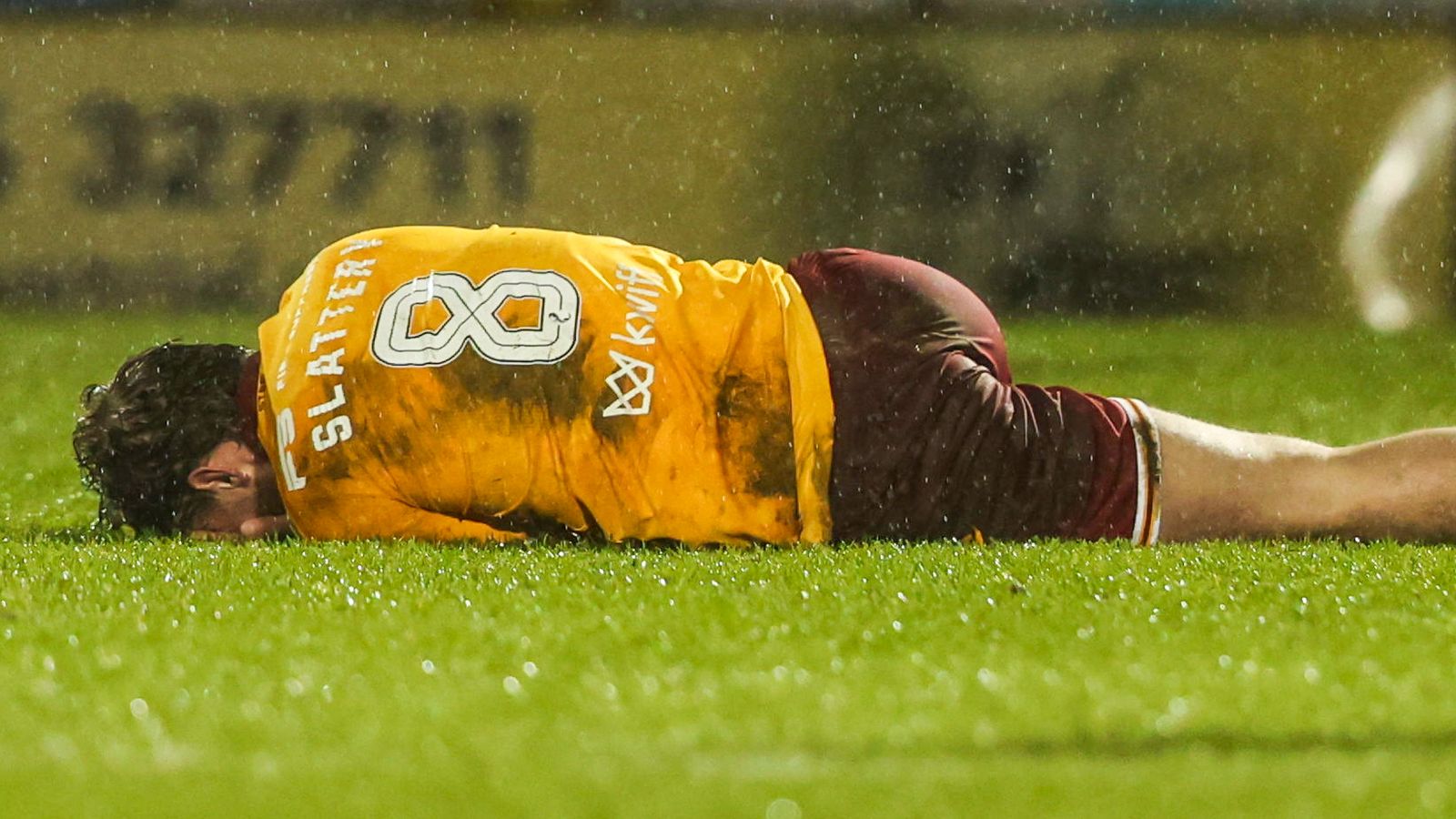
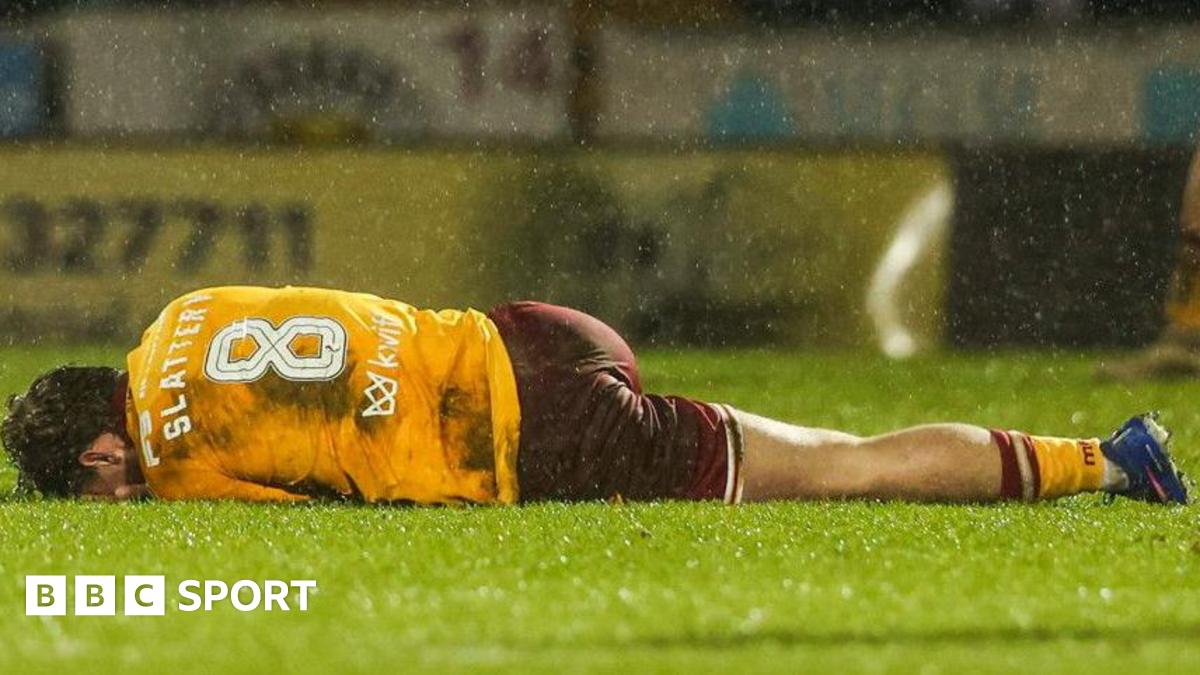
Callum Slattery's four-game ban for simulation will only lead to a change in culture if consistency is applied, argues Motherwell manager Jens Berthel Askou.
The sentiment here is that the authorities are using players like Slattery as props for a performative crackdown. If you look at BBC Sport's coverage of the ruling, it becomes clear that Askou is pointing to a wider rot. When the refs are guessing in the box, a retroactive ban feels less like justice and more like a tactical error by the league.
The contrarians: Embracing the chaos
There is always a group of fans who just want to watch the world burn. They argue that diving is a skill, a part of the dark arts of the game that you either master or you suffer the consequences. They view the ban as an attempt to sanitize football into a sterile, predictable product that lacks the professional edge we’ve seen for decades.
This group isn't necessarily pro-cheating. They are anti-interference. They think the referee should make the call in real-time, and if they mess it up, that is just another chapter in the lore of the sport. It’s a cynical take, but in a world of high-tech reviews and retroactive bans, it’s refreshing to hear someone argue for the mistakes.
Why this matters right now
The reason this is blowing up is that we are approaching the final stretches of the season. Points matter now more than ever, and every suspension feels like a potential collapse of a club’s ambitions. The fans are hyper-sensitive to bias, whether it's real or imagined. When a player misses 4 games, the ripple effect is felt in the starting XI for a month.
My take? Askou is spot on. You cannot implement a zero-tolerance policy on simulation while other parts of the officiating process remain murky at best. It’s like trying to enforce a speed limit on a road with no signs and no police, but occasionally nuking one random driver just to make a point.
The disciplinary committee is currently failing the test of public perception. If they want to stamp out simulation, they need a clear, defined trigger event that results in an automatic review for every single match. Right now, it feels arbitrary. Until there is a set rulebook that applied to the league leaders exactly like it applies to mid-table sides, fans will keep calling foul on the league itself.
It isn't just about the rules; it’s about the lack of trust. When we, as fans, don't believe the governing body is applying the same pressure across the board, every decision is met with suspicion. Slattery’s ban will inevitably be forgotten by June, but the lingering frustration about why he was the target will likely persist well into the pre-season.
Read Next