Tactical friction in the Sky Sports studio
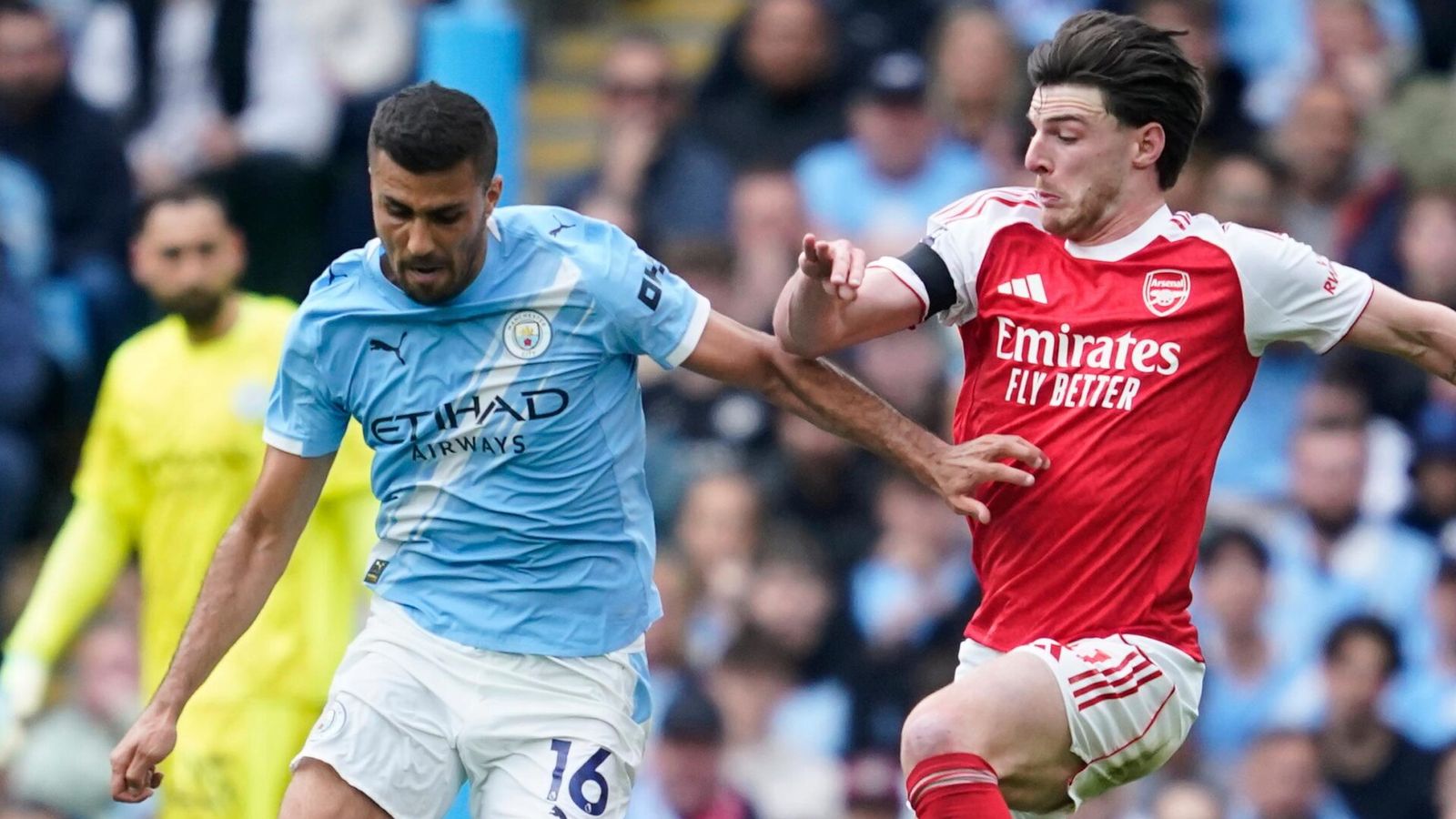
The post-match analysis of Arsenal's recent loss to Manchester City has spilled over into a public disagreement between two of the game's most prominent pundits. Jamie Carragher has formally pushed back against accusations from Roy Keane, who suggested that Gabriel Martinelli was lethargic and tactically undisciplined during pivotal moments of that 90-minute encounter.
Keane, known for his uncompromising approach to work rate, zeroed in on Martinelli as a primary culprit for Arsenal's defensive gaps. Carragher, however, has characterized that assessment as overly reductive. According to recent reports, the disagreement centers entirely on the Brazilian winger's specific movement patterns during high-intensity pressing sequences.
Defining the defensive breakdown
Carragher argues that calling the performance lazy ignores the structural directives given to Arsenal's wide men. In his view, Martinelli was attempting to balance two conflicting responsibilities: keeping eyes on the City full-back while simultaneously pinching inward to shrink the pitch for Kevin De Bruyne.
It's harsh. There is a specific instruction there for that winger to tuck inside, and he was doing exactly what he was told.
The reality is that Arsenal's press requires a high level of synchronization that broke down once Manchester City successfully bypassed the initial midfield block. When a press is initiated but lacks perfect timing, the winger is the first player caught in no-man's land. Pinning that mechanical failure on one athlete is a tired punditry trope that ignores the shared responsibility of a back line pushed high up the pitch.
The wider Arsenal concern
Beyond the personal spat between the two pundits, this highlights a growing fatigue regarding Arsenal’s late-season reliance on high-risk, high-reward tactical setups. The loss to City wasn't just about one player being out of position; it was about the team's inability to retain the ball when the emotional temperature of the match hit the 75th minute mark.
Carragher noted that Arsenal's press often leaves the system vulnerable to a quick diagonal ball. If the first line of pressure is bypassed by an elite side like City, the full-backs are forced to rotate into uncomfortable spaces. This forces wingers like Martinelli to make a binary choice: track the runner or commit to the press. When he commits to the press and the ball travels, he is criticized for his positioning. When he sits back, he is criticized for his lack of ambition.
It is a catch-22 that suggests the current tactical setup might be nearing its natural expiration date. Arsenal fans have noted that while the pressing style is aggressive in the opening half, it drains the battery of the squad by the final whistle. The math is simple: if the conversion rate on those high-press opportunities isn't elite, the team is fundamentally exposed to counter-attacking speed.
Credibility at stake
The disagreement between the Sky duo also underscores the chasm between playing philosophies. Keane expects a hard, physical grit regardless of the tactical instruction, whereas Carragher is prioritizing the analysis of the manager's intended scheme. Both approaches have merit, but Keane’s focus often misses the nuance of modern positional play where spacing is dictated by software and heat maps rather than pure gut instinct.
However, Carragher’s defense of Martinelli could be viewed as overly sympathetic. Even without tactical directives, a player at the Champions League level should possess the individual awareness to recognize when the press has failed. Being "told" to tuck inside does not grant permission to stay there while the opponent is surging through the center. That is a mistake of anticipation, not a mistake of system.
As the club enters the final stretch of the season, these internal disagreements among analysts reflect the frustration brewing within the fan base. When the results start to turn, the magnifying glass on individual errors becomes significantly harsher. It is clear that Arsenal's tactical identity is being tested by better managers who have learned to exploit the gaps created by that exact style of aggressive, front-foot football.