The dark arts come to North London
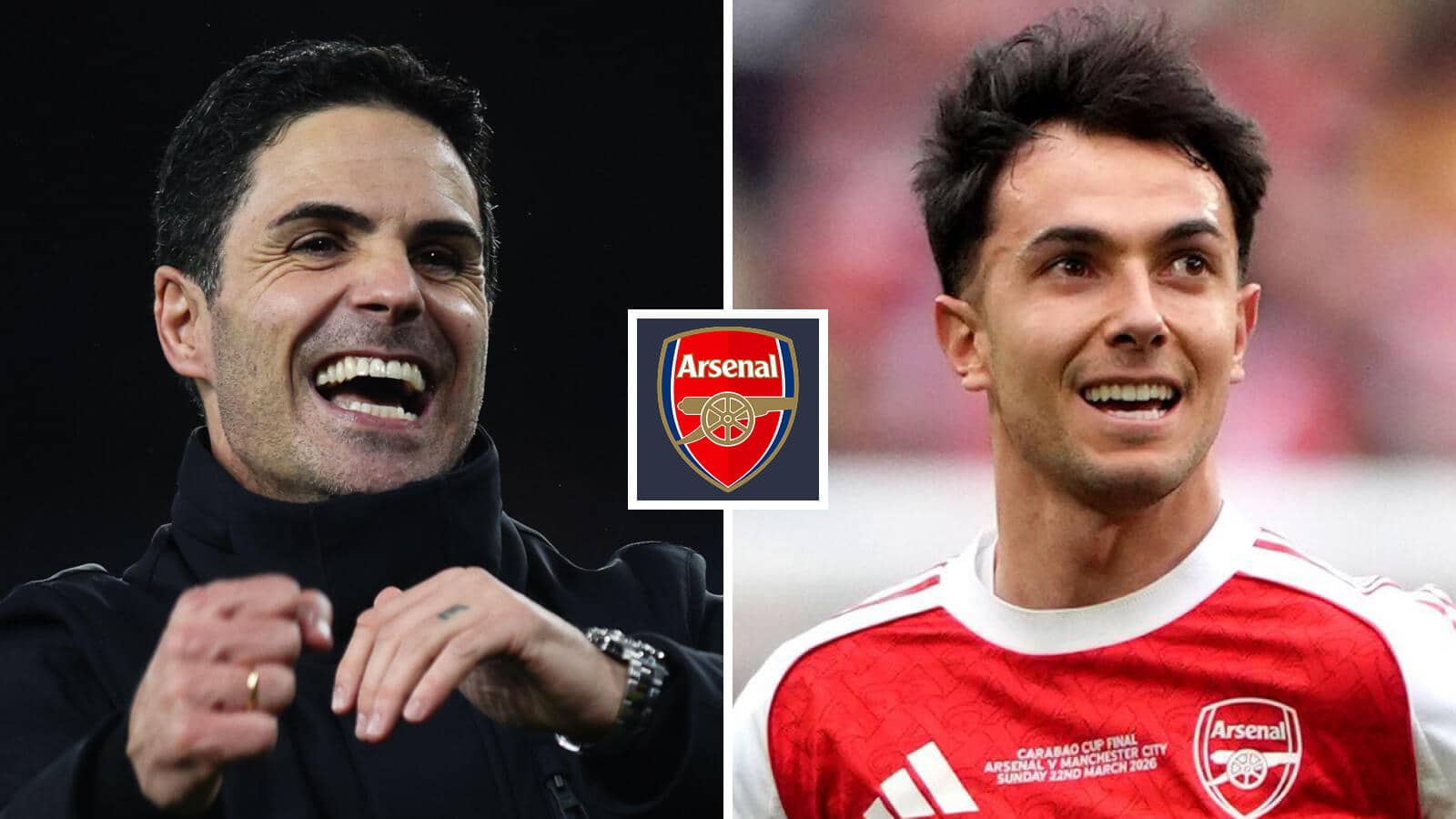
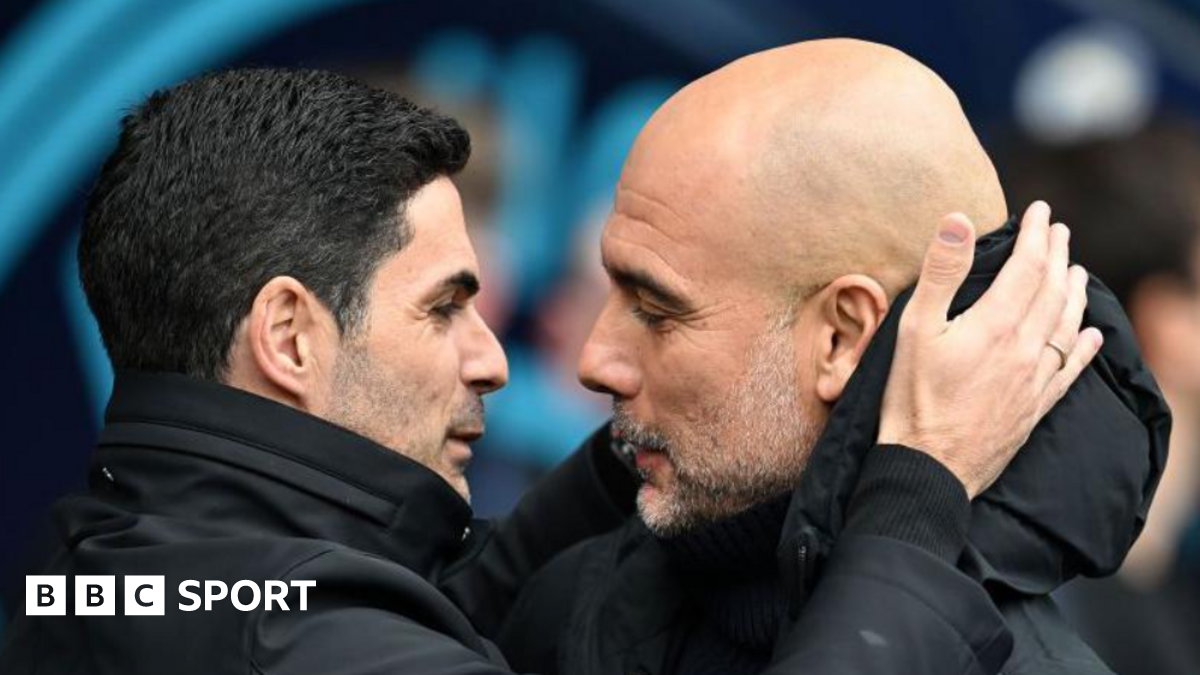
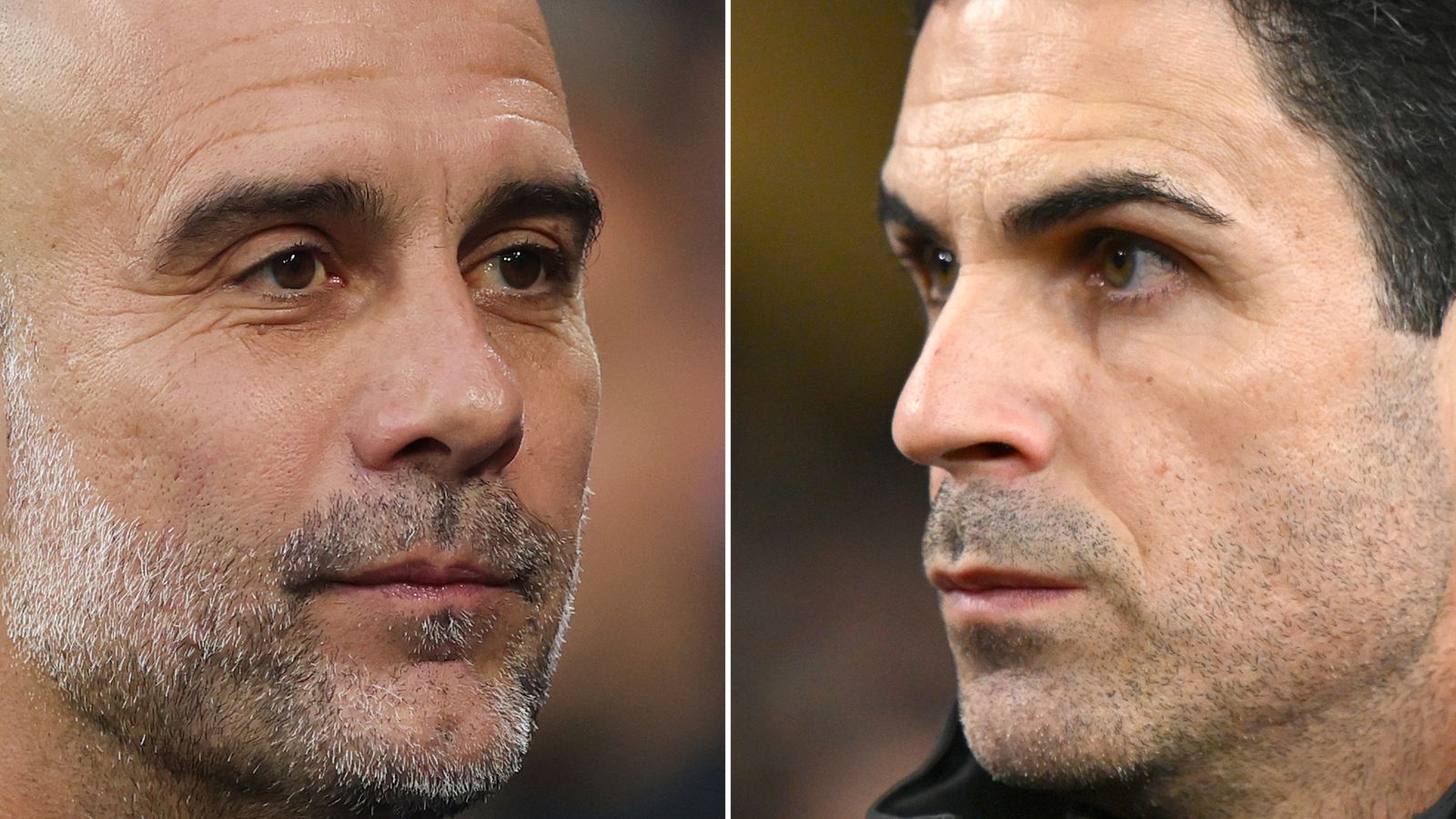
March 30, 2026. We are officially 73 days away from the World Cup, but the only international break that matters is over, and the Premier League title race has returned as a cold, calculated war of attrition. While the pundits obsess over the aesthetic purity of Pep Guardiola’s system, Gary Lineker has spent the morning pointing at something much more cynical. He’s right: Mikel Arteta has stopped trying to out-Pep the master and has instead started raiding the Sir Alex Ferguson archives.
Lineker’s accusation that Arsenal are using "Fergie tactics" isn't a slight on their quality; it’s a recognition of their evolution into a team that knows how to manipulate the environment of a 90-minute match. We saw it in the closing stages of their last three wins. The tactical fouls in the middle third, the coordinated pressure on officials, and the systematic slowing of the game when the opposition gathers momentum. This isn't the fragile Arsenal of 2023. This is a team that has learned that being the "better" footballing side is secondary to being the most difficult side to play against.
The evidence is in the transitional data. Arsenal’s PPDA (Passes Per Defensive Action) has actually risen slightly in the last month, suggesting they are picking their moments to press rather than chasing shadows for 90 minutes. They are baiting the trap, dropping into a 4-4-2 shape that looks remarkably like the rigid banks of four Ferguson used to deploy in European away legs. It is a pragmatic, occasionally ugly shift that has left City looking uncharacteristically flustered in the final third.
Tactical grit vs. the City machine
As the title race enters its final stretch, the injury report has become more important than the tactical board. Both Arsenal and Manchester City are limping back from the international break with multiple fresh concerns, and this is where the squad depth becomes a question of profile rather than just numbers. City look thin in the pivot if Rodri isn't at 100%, whereas Arsenal have built a defensive unit that thrives on suffering. They are aiming for the kind of "miserly" reputation currently enjoyed by Ivory Coast, who qualified for the World Cup without conceding a single goal.
If you watch the 64th minute of Arsenal's recent win over Newcastle, you see the blueprint. Gabriel and Saliba aren't just defending the box; they are dictates the tempo of the opposition's strikers. They are physical in a way that modern defenders often aren't allowed to be, pushing the boundaries of what VAR will intervene on. Speaking of which, the technology continues to be the ghost in the machine that nobody wants. New research shows that 91% of fans believe the game is better off without it, and you can bet both Arteta and Guardiola will spend the next six weeks complaining about it to deflect pressure from their own tactical errors.
The negative observation here is that Arsenal’s reliance on this high-wire act of defensive perfection is dangerous. They are playing for 1-0 and 2-1 results, leaving zero margin for error. A single slip-on a greasy surface or a momentary lapse in concentration from a set piece could undo months of disciplined work. While City can blow teams away in 15-minute bursts of genius, Arsenal are forced to grind, and that mental fatigue will eventually manifest in a catastrophic defensive error before May is out.
The Spurs distraction and the De Zerbi factor
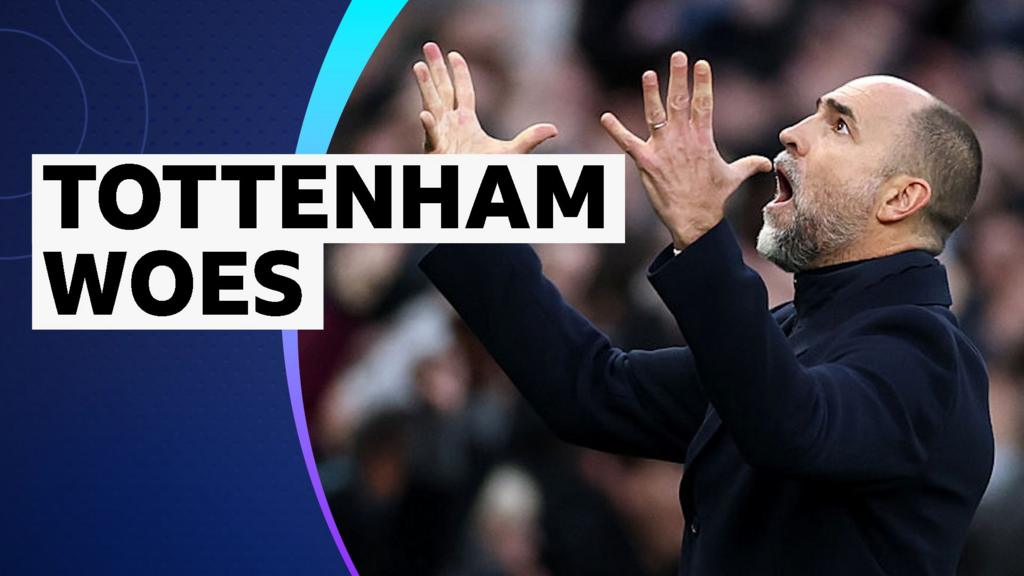
While the top two are locked in a sophisticated chess match, the rest of the league is descending into traditional chaos. Tottenham’s decision to sack Igor Tudor after just 7 games in charge is a masterclass in boardroom panic. Tudor’s brief tenure was a mess of conflicting instructions and a failure to settle on a back three or four, leaving Spurs looking like a team without an identity or a pulse. The fact that they are now chasing Roberto De Zerbi—who is reportedly demanding a relegation get-out clause in his contract—tells you everything about the lack of confidence at the Tottenham Hotspur Stadium.
Spurs are a cautionary tale for the title contenders. They spent the last two seasons chasing trends rather than building a culture. Arsenal, by contrast, have leaned into their identity as the league’s new "villains." They don't care about the neutrals' approval anymore. They are focused on the 87th minute clearance and the three points. It is a cynical, professional approach that smells of a team that has finally accepted what it takes to win a trophy under the highest pressure.
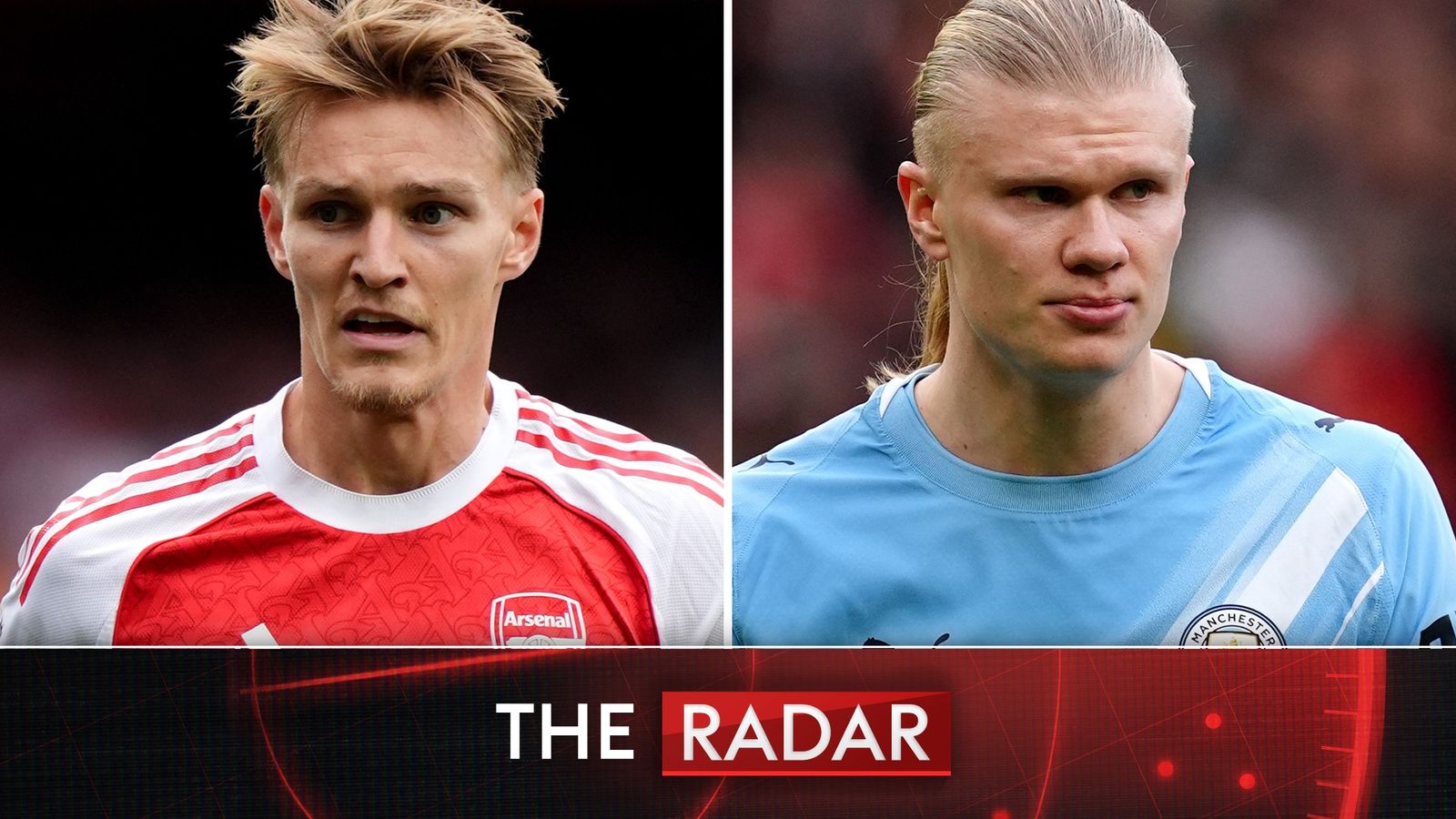
City still have the superior xG per game, but Arsenal have the superior xW (Expected Wins) in high-leverage situations. They are winning the games they used to draw. They are bullying the teams they used to fear. The SAF comparison isn't just a pundit's talking point; it's a tactical reality that has shifted the balance of power in the North of London. City will keep the ball, but Arsenal will keep the lead.
The Verdict: Why the Gunners won't blink
My prediction for the final standings isn't based on who plays the best football, but who manages the chaos of the next eight weeks most effectively. City are chasing a historic treble-repeat that feels like it’s beginning to weigh on their older core. Kevin De Bruyne is still a magician, but his recovery times are lengthening, and the gaps between City's midfield and defense are widening by a few yards every month. Arsenal are younger, meaner, and increasingly comfortable with the idea of winning ugly.
Expect Arsenal to take the title by a margin of 3 points. They will drop points—likely a draw at Anfield or a frustrating loss to a low-block specialist—but City’s distraction with the Champions League quarter-finals will provide the opening. Arteta has finally realized that he doesn't need to be Pep 2.0. He just needs to be a more modern, more tactically flexible version of the man who ruled Old Trafford for two decades.
The title won't be won with a 5-0 thrashing in May. It will be won in the mud, with a deflected goal and a series of cynical substitutions in stoppage time. It won't be pretty, and the 91% of fans who hate VAR will probably have five more reasons to be angry before the trophy is lifted. But for Arsenal fans, the "dark arts" will be the most beautiful thing they've seen in twenty years.
Read Next
- Mikel Arteta is facing a tactical nightmare against Southampton
- Arsenal's title hopes are currently hanging by a very thin medical thread
- Arteta's injury crisis is a predictable mess of his own making
- Arsenal are cruising to the title while Spurs are staring at the Championship
- ⭐ UCL 2026 — Champions League Quarter-Finals Hub