The Weight of 1960
Scottish football has been begging for a third force for nearly four decades. Since Sir Alex Ferguson took Aberdeen to the summit in 1985, the Old Firm duopoly has been an iron grip. Now, Heart of Midlothian are 90 minutes away from snapping that 66-year streak of their own.
Wednesday is the final day. Derek McInnes has somehow dragged this Hearts squad to the brink. As the BBC put it, immortality beckons. But the cracks are starting to show right when the pressure is highest.
Celtic shouldn't even be in this fight on the final day. They were dead in the water at Fir Park against Motherwell.
Motherwell, Maeda, and the Whistle
We need to talk about what happened on Wednesday night. Motherwell had Celtic pinned back. Hearts were handling their own business against Falkirk, coasting with a comfortable lead. The stands at Tynecastle must have been buzzing with the news. The coronation was being prepared.
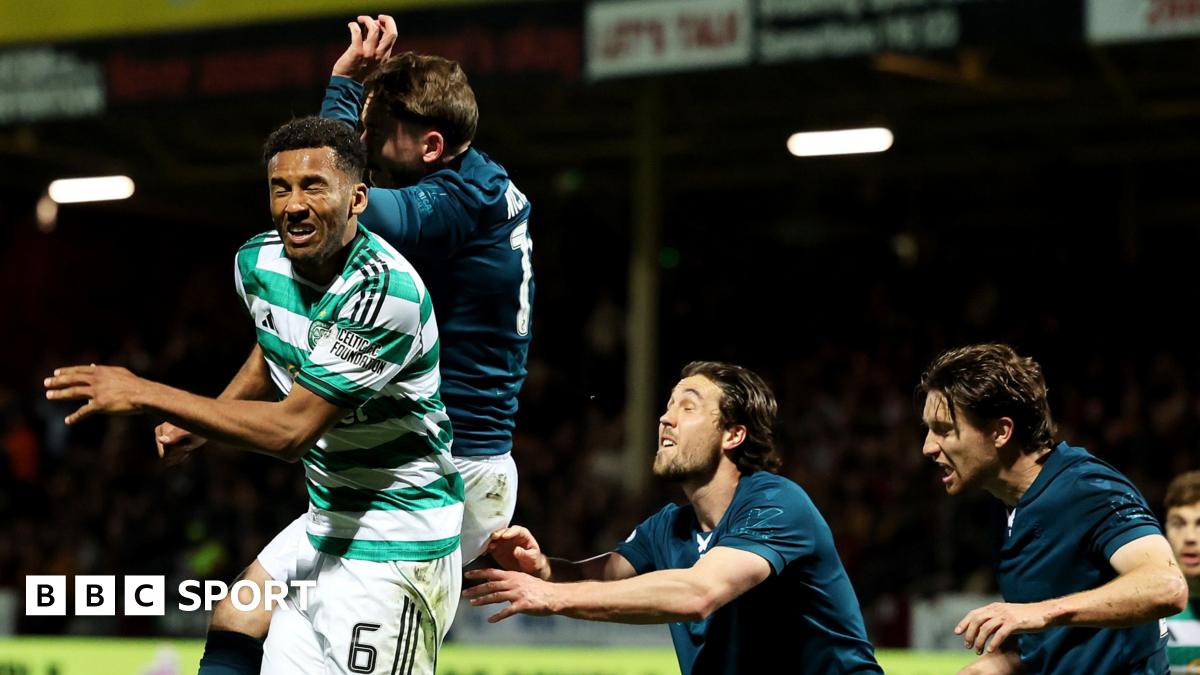
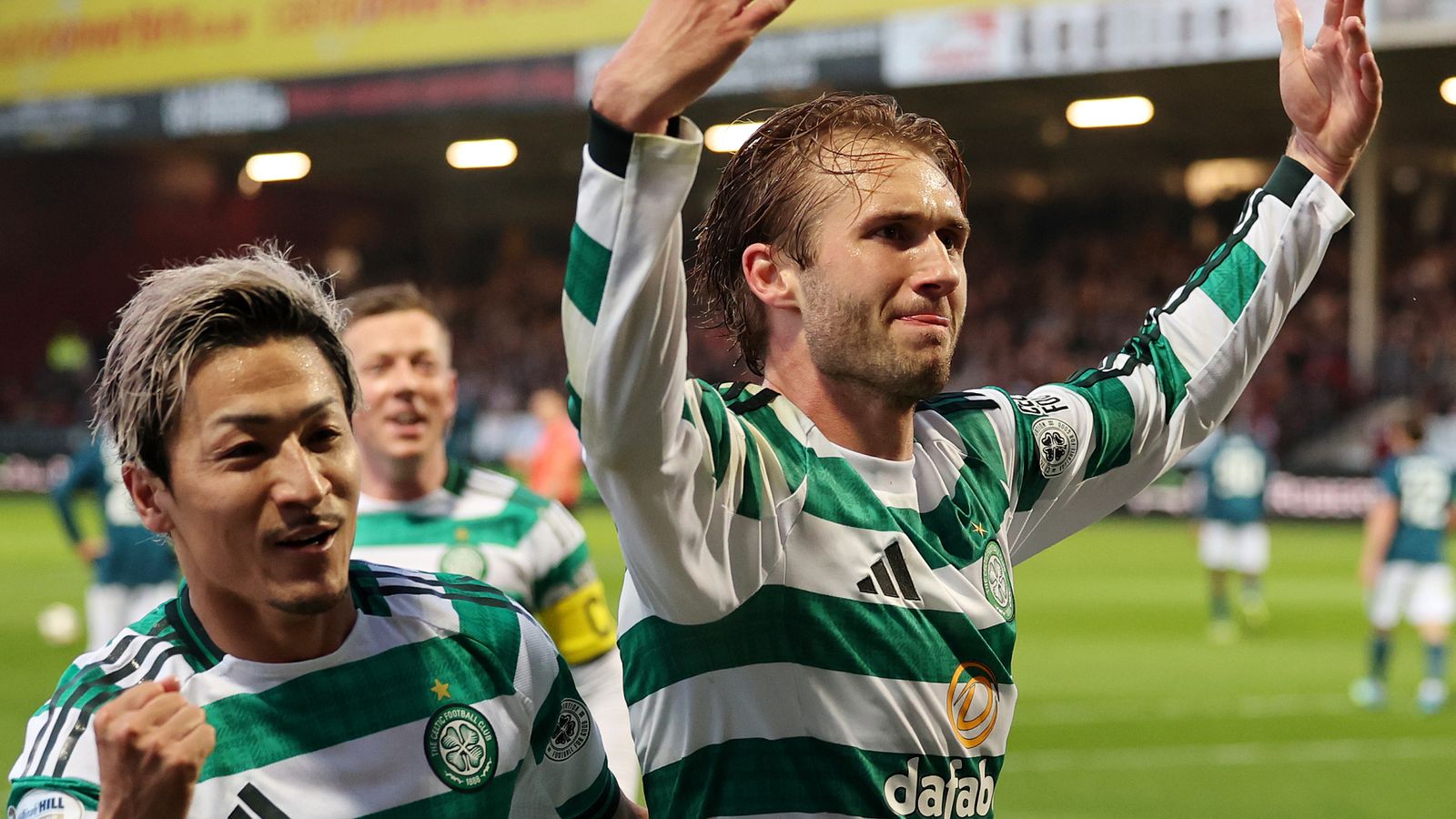
Then Daizen Maeda found an equaliser. Then came the stoppage-time penalty. It’s the exact kind of moment that breaks a challenger's spirit.
"Disgusting."
That was Derek McInnes. He didn't mince words, calling the last-gasp penalty decision exactly what he thought it was, as reported by Sky Sports. You can complain about the officiating all you want, but this is the reality of chasing down the Glasgow giants. You don't just have to beat them on points. You have to beat the aura, the late whistles, and the sheer inevitability of their late surges.
The Analytics of Attrition
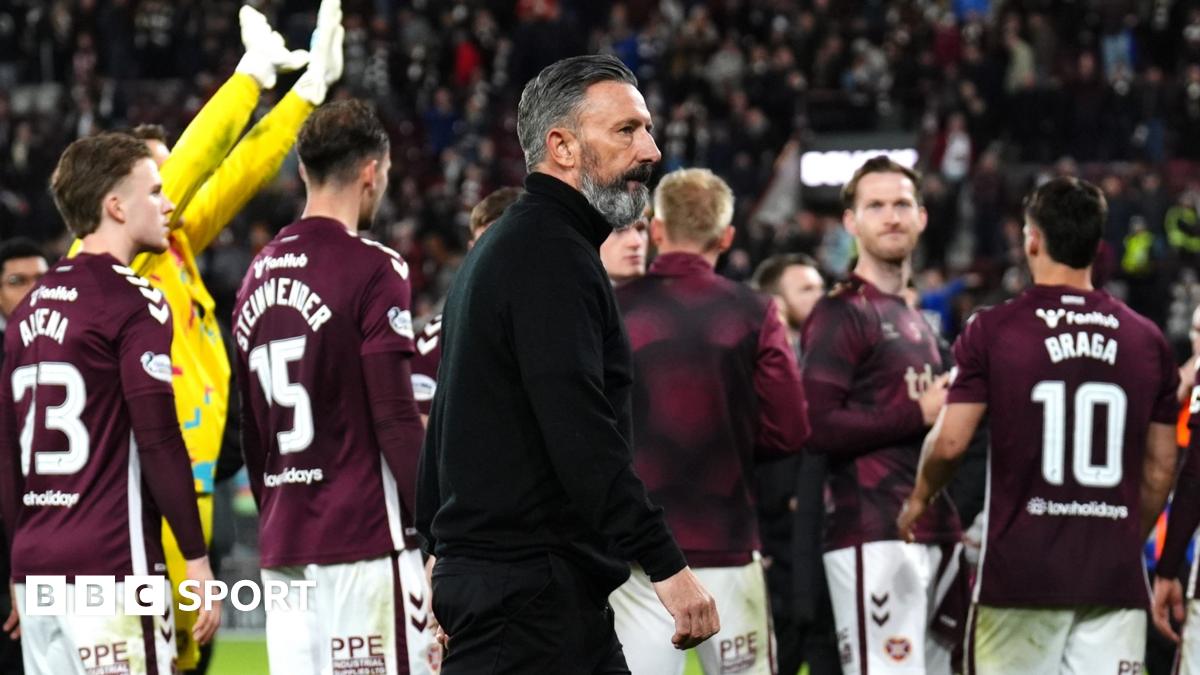
To understand the psychology of this Hearts team, you have to look at the man on the touchline. Derek McInnes has spent a career trying to punch upward in Scottish football. During his lengthy tenure at Aberdeen, he consistently built squads that were the best of the rest. He hauled the Dons into Europe, won a League Cup, and finished second repeatedly. But he always ran into a green and white wall. Celtic were simply too rich, too deep, and too relentless.
Now, at Tynecastle, McInnes has constructed the most formidable challenge of his managerial life. He has drilled a defensive solidity into this Hearts team that makes them incredibly difficult to break down. When you look at how Hearts handled Falkirk, it was textbook. They controlled the tempo, squeezed the space between the lines, and let Falkirk beat themselves.
But playing Falkirk at home with a lead is a very different beast than playing a final-day decider with the ghost of 1960 breathing down your neck.
We have to analyze what went wrong for Celtic before it went right at Fir Park. Motherwell exposed a glaring issue in Celtic's rest defense. When Celtic commit numbers forward, their midfield pivots have been incredibly slow to track back. Motherwell used quick, direct transitions, bypassing the Celtic press with single long balls over the top. The fact that Motherwell took the lead wasn't a fluke. It was the result of a targeted tactical plan.
Celtic held over 70% possession, but looked completely devoid of ideas in the final third. They relied far too much on low-percentage crosses into a crowded box. This is a massive negative for Celtic. Their attacking patterns are stale. They look like a team running on fumes, lacking the cutting edge that defined their previous title runs. They aren't carving teams open. They are grinding them down through sheer attrition.
But attrition works. Maeda's equalizer is the perfect example. He doesn't stop running. When opposing defenders hit the red zone physically, Maeda is still playing at full speed. It's not necessarily beautiful football, but it is brutally effective. He found the space, pulled them level, and set the stage for the chaos that followed.
The Fairytale is Dead
The late penalty is going to be debated all summer. From a neutral perspective, it was a soft call. The kind of call that always seems to go the way of the Glasgow giants when the clock ticks past the 85th minute. Is it a conspiracy? Probably not. It's just the subconscious bias of referees refereeing the badge rather than the foul.
However, complaining about referees won't win Hearts the league. To be the champions, you have to be undeniable. You have to take the game completely out of the referee's hands. If you leave it close, the machine will swallow you.
The history is suffocating. 1960. The world was entirely different the last time Hearts lifted the top-flight trophy. To put that into perspective, Aberdeen's famous 1985 victory feels recent compared to the drought Hearts are enduring. Immortality is heavy. You can feel the tension in the stands at Tynecastle. Every misplaced pass is met with groans. Every missed tackle feels like a disaster. That kind of nervous energy transmits directly to the players on the pitch.
Look at the Hearts dressing room. They have been running on adrenaline and collective belief for eight months. Players who were discarded by bigger clubs or plucked from lower leagues have played out of their skins to get to this point. But adrenaline has a shelf life. The physical toll of a title race is one thing; the mental exhaustion is entirely another. Facing a win-or-bust scenario against a team that seemingly bends reality to its will in the final minutes of matches is the ultimate mental test. I don't think they have the reserves left to pass it.
On the final day, Hearts cannot afford to play the occasion. They have to play the game. They need to start fast, impose their physicality early, and grab a goal in the first twenty minutes. If the game remains scoreless at halftime, the pressure will compound exponentially. The legs will get heavier. The decisions will get safer. And safety is the death of a title challenger.
Celtic, conversely, have the ultimate safety net. They have done this before. They have players who have lifted this trophy multiple times. They know the rhythm of a title run-in. When the pressure peaks, Celtic players revert to their training. Hearts players have no such baseline to fall back on. They are charting unknown territory.
My prediction is unambiguous. Hearts will not win the Scottish Premiership.
The late penalty at Motherwell was the turning point of the entire season. It was the moment the balloon popped. Hearts had the mental edge, believing the title was won. To have it violently ripped away by a late whistle is a psychological blow that a squad cannot recover from in just a few days. They will take the pitch on Wednesday carrying the hangover of that Motherwell result.
Celtic will crush their final opponent. They will score early, control possession, and remind everyone why they have dominated this league for decades. Hearts, suffocated by the pressure, the history, and the sheer magnitude of what they are trying to achieve, will stumble. A nervous 1-1 draw or a late collapse will seal their fate.
We will look back at this season as a valiant effort, a brilliant managerial performance by McInnes, but ultimately, another footnote in the history of Old Firm dominance. The wait will become 67 years, and the glass ceiling of Scottish football will remain firmly intact.
Read Next
- VAR, a Late Penalty, and the Night the Scottish Title Race Exploded
- A 99th-Minute Penalty Just Turned the Scottish Title Race Into a Total Circus
- Hearts are 90 minutes away from breaking the matrix
- Top 10: The Most Dramatic Late Moments in Modern Football
- ⚽ Scottish Premiership 2025-26 — Celtic vs Rangers Hub