The Demise of the Ibrox Hierarchy
The hierarchy of Scottish football has been shattered. For the first time in decades, the traditional power dynamic in Glasgow did not just crack; it collapsed entirely. Hearts pushed Celtic to the absolute limit, only falling short on a dramatic final day of the season in Edinburgh's grandest title bid in a generation.
Meanwhile, Rangers watched from a distance. A miserable campaign under Danny Rohl ended with the Ibrox club slumped in third place, miles off the pace and lacking any clear identity. Now, Rohl is attempting to salvage his project by raiding the very team that displaced them.
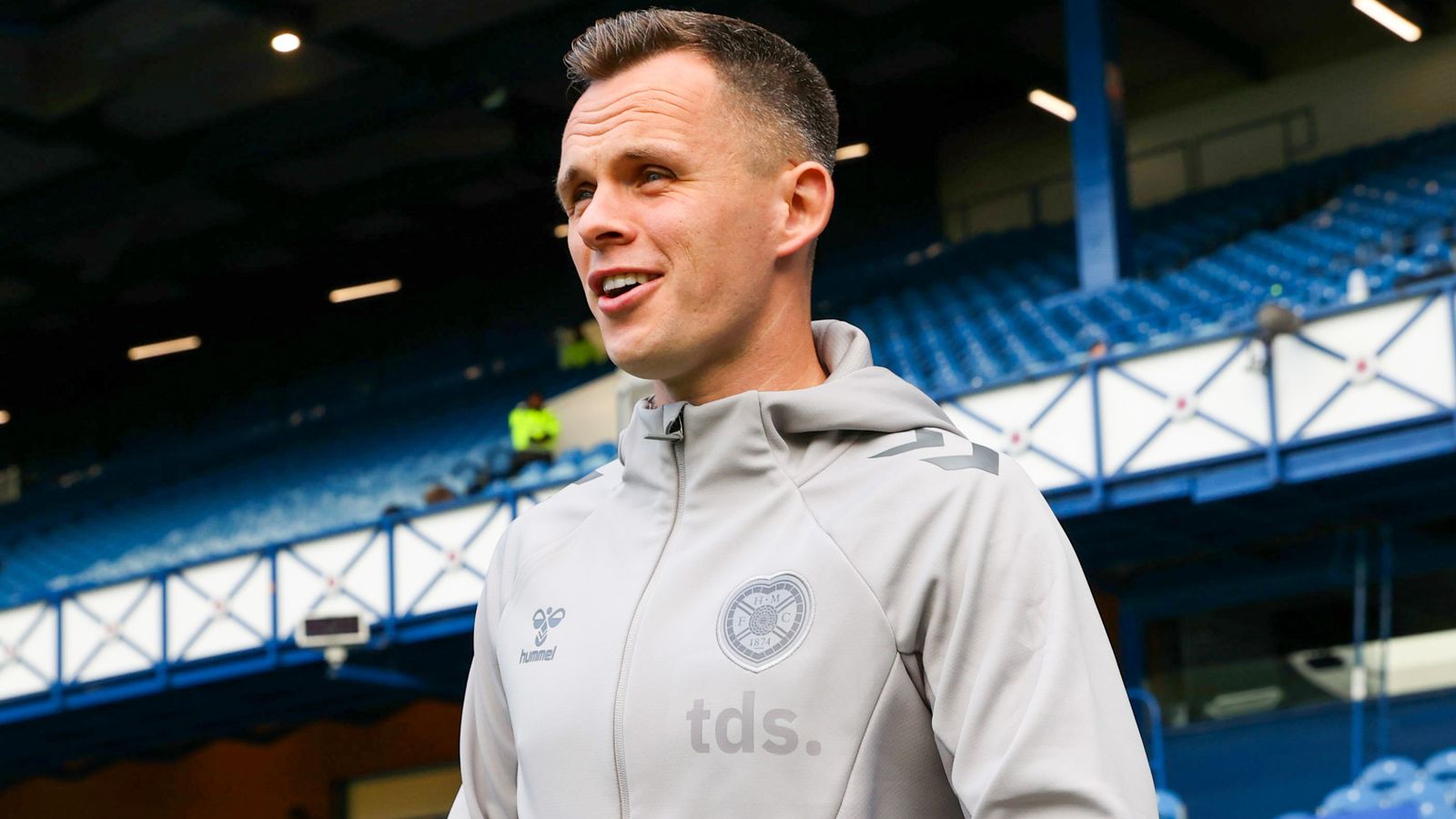
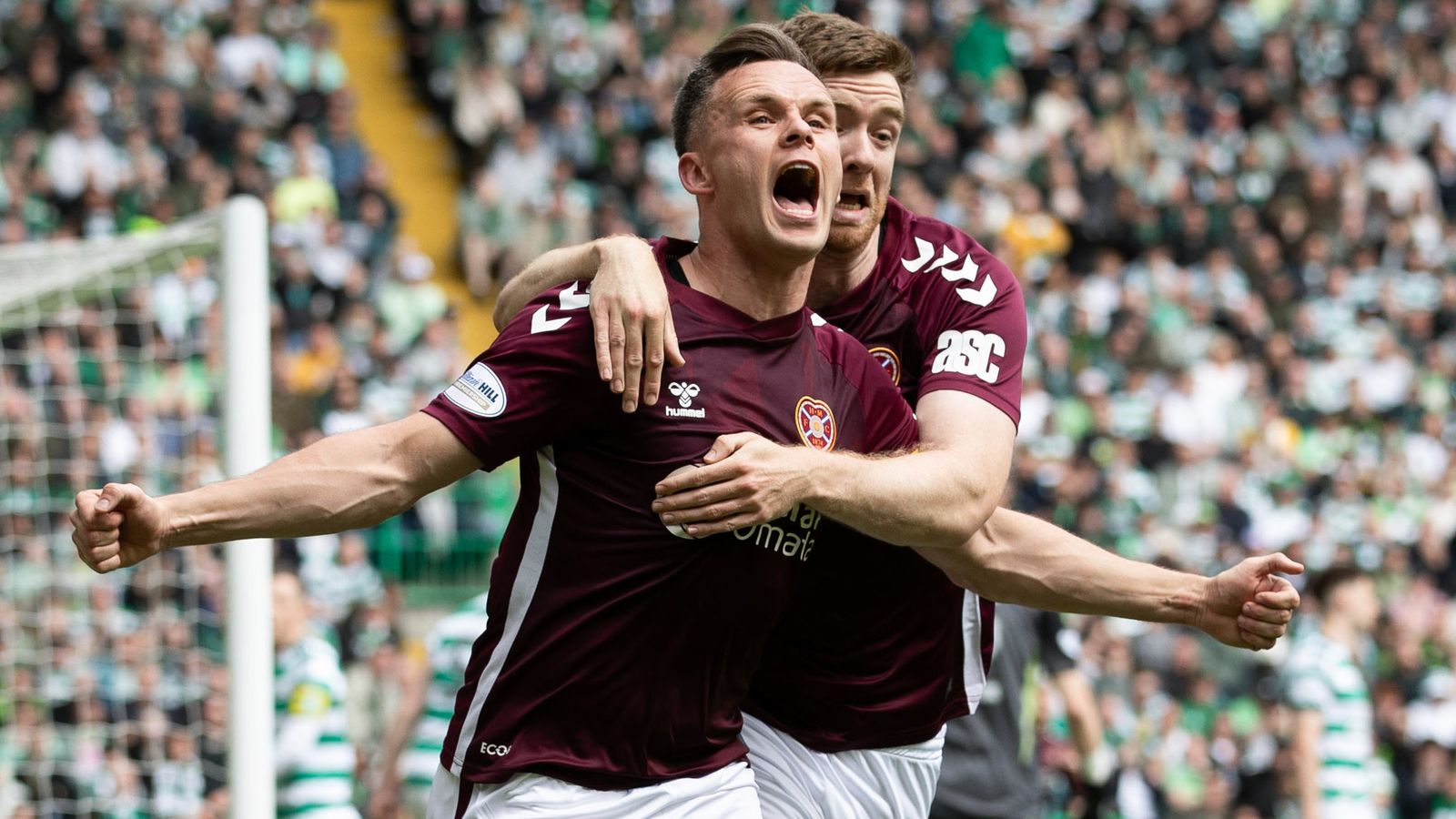
Talks are now in an advanced stage to bring Hearts captain Lawrence Shankland to Glasgow. The 30-year-old striker is close to agreeing on an initial two-year contract, with a club option to extend. This is a move that Rangers should have made years ago, but previous managers simply lacked the tactical foresight.
As Sky Sports reported, talks are progressing rapidly. The Rangers board wants to finalize the deal before the striker departs for the World Cup with Scotland. This represents a massive shift in the Scottish domestic market.
Hearts fans are understandably furious at the prospect of losing their talisman. He has been the heartbeat of Tynecastle since his arrival from Beerschot in 2022. Replacing his goals and leadership will be an almost impossible task for the Edinburgh club.
For Rangers, the signing represents a desperate attempt to restore order. Finishing behind their Edinburgh rivals was an embarrassment that the board could not ignore. Rohl knows his job depends on closing the gap to Celtic next season.
The Anatomy of Shankland's Goalscoring
To understand why Rangers are desperate for Shankland, one must look at the numbers. Over the last four seasons, the forward has racked up an astonishing 88 goals in 171 games in all competitions. This is not a hot streak; it is sustained, elite productivity.
His consistency in the league is particularly impressive. He hit 24 league goals in both the 2022/23 and 2023/24 campaigns, demonstrating an elite ability to sustain high-volume scoring. Last season was no different, as he registered 16 Scottish Premiership goals to lead Hearts to a historic second-place finish.
Tactically, Shankland is far more than a simple target man. He operates as an intelligent space-creator. When Hearts built possession from the back, he frequently dropped into the half-spaces, dragging center-backs out of position and opening lanes for vertical runners.
His touch map from last season shows a striker comfortable operating outside the penalty area. He does not just hover near the penalty spot waiting for service. He initiates sequences, shields the ball under heavy pressure, and acts as a central focal point for direct play.
He is also a master of the blind-side run. When crosses enter the box, he consistently positions himself between the two center-backs, making it impossible for defenders to track both his movement and the ball. This micro-movement is why he consistently finds space in crowded boxes.
His shooting efficiency is another key metric. His expected goals (xG) overperformance over the last three years suggests he is one of the most clinical finishers in British football. He does not need clean, high-quality chances; he excels at converting low-probability opportunities from tight angles.
Furthermore, his penalty record is near-flawless. In high-pressure situations, he has shown nerves of steel, converting spot-kicks with remarkable consistency. Rangers struggled with penalty conversion last season, making this another vital addition to their arsenal.
Danny Rohl’s Tactical Friction
However, this transfer is not without significant tactical risk. Danny Rohl’s blueprint demands extreme physical output from his forward line. At Sheffield Wednesday, and now at Ibrox, Rohl has favored an aggressive out-of-possession setup.
Strikers in his system must act as the primary pressing trigger. They must sprint, close down passing lanes, and force opposition center-backs into hurried clearances. Shankland is many things, but he is not a speed merchant.
He is a cerebral, calculated operator who conserves energy for decisive bursts inside the box. Asking a 30-year-old forward to suddenly change his physical profile is a massive gamble that could backfire if Rohl expects him to lead a high-intensity press for 90 minutes.
Rangers must adapt their structure to accommodate his unique strengths. This means Rohl must introduce a more compact block. If Rangers compress the pitch, Shankland will not have to cover vast distances to press, allowing him to focus on finishing.
There is also the question of squad age. Rangers' current squad is desperately short of clinical edge, but investing heavily in a 30-year-old striker goes against the modern trend of buying young players with high resale value. It is a short-term solution to a long-term structural crisis.
If the service from wide areas does not improve, Shankland will starve. Rangers' wingers struggled to deliver quality crosses last season, often hitting the first defender or overhitting their passes. A world-class finisher is useless if the ball never reaches him in the box.
Rohl's tactical inflexibility was a major talking point during the run-in last season. He refused to abandon his high defensive line, even when his defenders were repeatedly exposed by direct counter-attacks. If he exhibits the same stubbornness with his attacking structure, Shankland will be isolated.
The Liam Kelly Mystery and the World Cup Pivot
The Shankland deal is not the only piece of business raising questions at Ibrox. Goalkeeper Liam Kelly is in the final stages of agreeing to a new contract that will extend his stay until 2028. This decision has puzzled many tactical analysts.
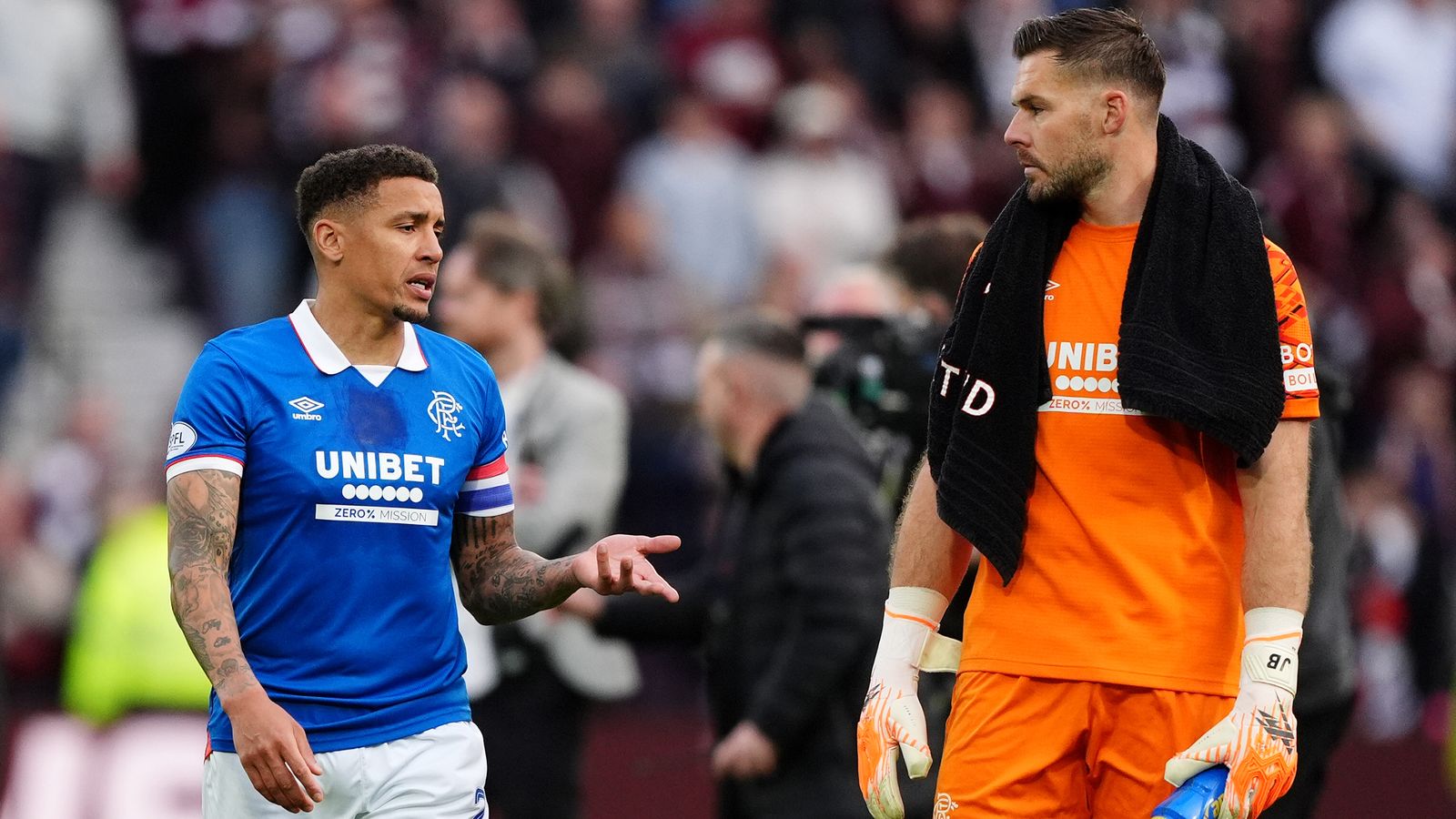
Kelly made a mere three appearances in all competitions last season. Jack Butland remains Rohl's undisputed first choice between the posts. Spending valuable wage budget on a backup goalkeeper who rarely plays seems like poor squad planning.
Despite his lack of minutes, Kelly has secured a spot in Steve Clarke's final squad selection for the national team. Clarke's loyalty to certain players has been a source of debate. The squad also features Craig Gordon, who at 43 years old is still commanding his area with authority.
Rangers are expected to be highly active in the market as Rohl rebuilds his squad after their third-place finish. But giving long-term contracts to passive backup players is a luxury a rebuilding club cannot afford. It suggests a lack of coordination between the recruitment staff and the manager.
Securing Shankland’s signature before he departs for the expanded 2026 World Cup schedule is vital. If he performs well on the global stage, his valuation will skyrocket, and English clubs will circle. Rangers must act now to secure their man.
For Shankland, this represents the final big move of his career. It is his chance to prove he can deliver under the unique pressure of Glasgow. He has always been linked with the club he grew up supporting, and the opportunity is finally here.
The contrast between Shankland's rise and Kelly's stagnation is stark. One is a player at the absolute peak of his powers, ready to lead a sleeping giant. The other is a comfortable deputy, content to collect a paycheck while sitting on the bench.
The Prediction: A Marriage of Convenience
My prediction is that Rohl will compromise his tactical ideals to make this work. The pressure of finishing third has forced a rethink in the Rangers coaching staff. They will transition to a more vertical, direct attacking model that maximizes Shankland's elite movement.
Expect Shankland to hit the ground running. He knows the league inside out, and he will have superior service compared to his time at Tynecastle. He will comfortably break the 20-goal barrier in his debut season at Ibrox.
This transfer will tilt the balance of power back toward Glasgow. Hearts will regress without their talisman, leaving Rangers to battle Celtic for the title. It is a cynical, necessary, and ultimately brilliant piece of business that will define Rohl's tenure.
If Rohl fails to win the league with Shankland leading the line, he will be sacked before the year is out. The margin for error at Ibrox is non-existent, and third place will not be tolerated again. The stakes could not be higher for both manager and player.
Read Next
- SFA admits Celtic penalty error as SWPL title race goes to Sunday wire
- Uli Hoeneß just gave Barcelona the most brutal reality check in football history
- Uli Hoeneß just reminded Barcelona that they are broke and it is glorious
- Celtic should let Martin O'Neill walk away after his Hampden mic drop
- 🏴 Scotland World Cup 2026 — Tartan Army Hub
- ⚽ Scottish Premiership 2025-26 — Celtic vs Rangers Hub