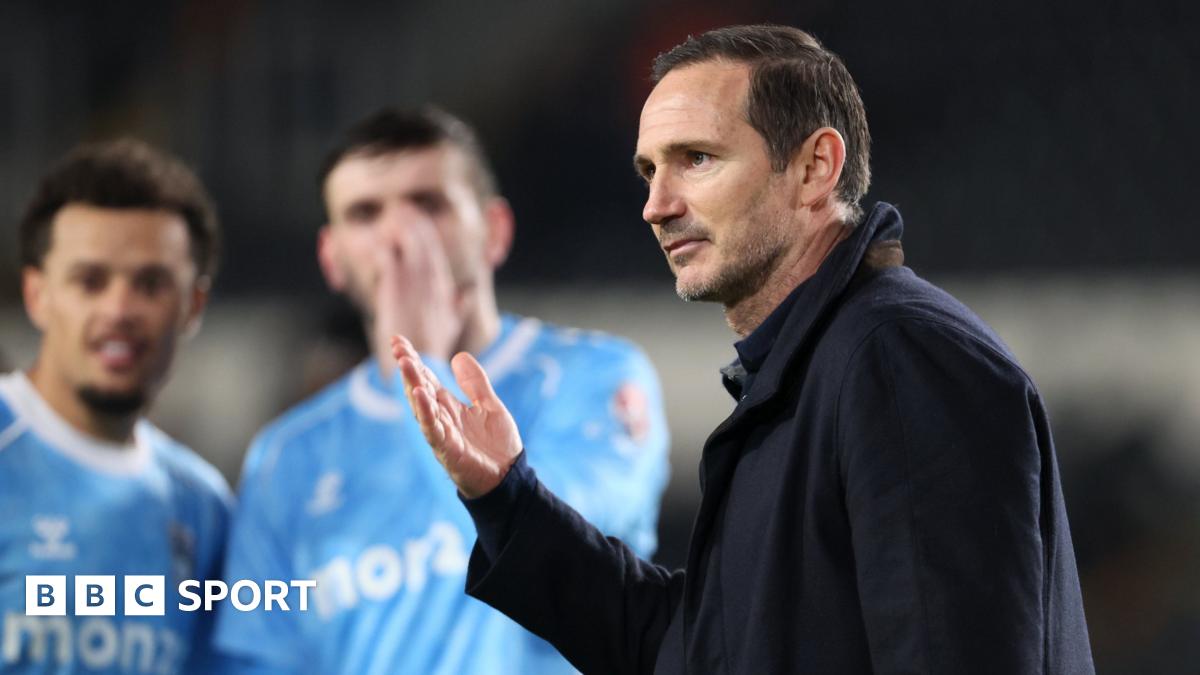
The physical toll of final-third Championship football
Hull City enters today’s match against Coventry City with a roster strained by a congested fixture list. Managing a thin squad during the penultimate stretch of the season remains the primary concern for the technical staff. Every training session now carries the risk of a season-ending setback.
As Sky Sports coverage confirms, the squad selection reflects a rotation policy designed to minimize soft-tissue injuries. Players are hitting the red zone as the 46-game grind reaches its conclusion. Fatigue is no longer abstract; it is visible in the closing 15 minutes of recent matches.
Tactical implications of a compromised XI
Coventry, currently leading the charge, presents a direct threat to any backline struggling with pace. Hull must navigate this clash without several key personnel who have failed to recover from mid-week training loads. Medical staff are prioritizing long-term durability over immediate tactical gains.
The lack of depth in the defensive transition is a glaring flaw that Championship rivals have exploited since mid-March. If the starting center-back pairing cannot maintain 90-minute intensity, the opposition’s transition game will likely punish them. Relying on squad players to replicate the defensive coverage of first-team starters is an optimistic approach that often leads to avoidable tactical collapses.
Historical context and recovery markers
This injury cycle mirrors the fatigue-led regression seen during the 2023 campaign, where late-season muscle injuries effectively ended promotion hopes for similar mid-table clubs. Managing workload during April requires more than just rotating players; it requires a shift in style.
The current recovery protocols focus on localized inflammation reduction. Players identified with fatigue-related markers are being held out of high-intensity drills to avoid a 6-week tear that would rule them out for the remainder of the calendar year. This conservative management style directly impacts the team’s ability to compete for 90 minutes.
Defining the timeline
The medical team expects a reassessment of the current cohort by April 12. This leaves a tiny window for players to be cleared before the final round of league fixtures. Any failure to meet these markers triggers long-term rest, effectively ending their season.
The decision-making process here is cold. If a player is not 100% physically prepared, the risk of a setback is too high for a club aiming to solidify its status without bleeding money on prolonged recovery. The reliance on young academy prospects to fill the gaps in the bench proves how tight the margins have become.
The competitive cost of attrition
Competitors like Coventry have managed their squad rotation with more precision, resulting in a 12-point gap that has essentially rendered the promotion race a formality. Hull’s struggle highlights a failure in squad planning during the winter transfer window. They simply do not have the depth to account for three mid-season injuries to core starters.
The error in judgment lies in the assumption that secondary options could maintain the press. When those players are forced to play deep to protect a lack of pace, the team loses its identity. This leads to an inevitable cycle of chasing opponents, which in turn exposes players to high-impact injuries. It is a feedback loop that continues to frustrate supporters.
Without a significant influx of energy from the bench, today’s match could follow the pattern of recent losses. The physical gap between the league leaders and the current Hull setup remains wide. Unless the technical staff finds an unconventional way to control the midfield tempo, the result will likely fall away as the clock hits the 75th minute mark. The reliance on individual moments of brilliance, rather than a functional team structure, is a clear admission that the physical capacity to compete is diminished.
Ultimately, this situation illustrates the unforgiving nature of the Championship. Teams that fail to balance medical output with tactical output eventually pay the price in points. Hull is learning this lesson in real-time, watching their season plateau while rivals capitalize on their internal fragility. The final 5 matches of the season will serve as a definitive assessment of the club’s medical and scouting efficacy.
Read Next
- Championship promotion race hits a boiling point
- Portsmouth’s injury crisis threatens to derail Championship survival bid
- Portsmouth are slipping into a classic Championship nightmare
- Middlesbrough’s sluggish draw leaves automatic promotion in the balance
- 🏟 EFL Championship 2025-26 — Promotion Race & Play-Off Final Hub