The structural failure at Stamford Bridge
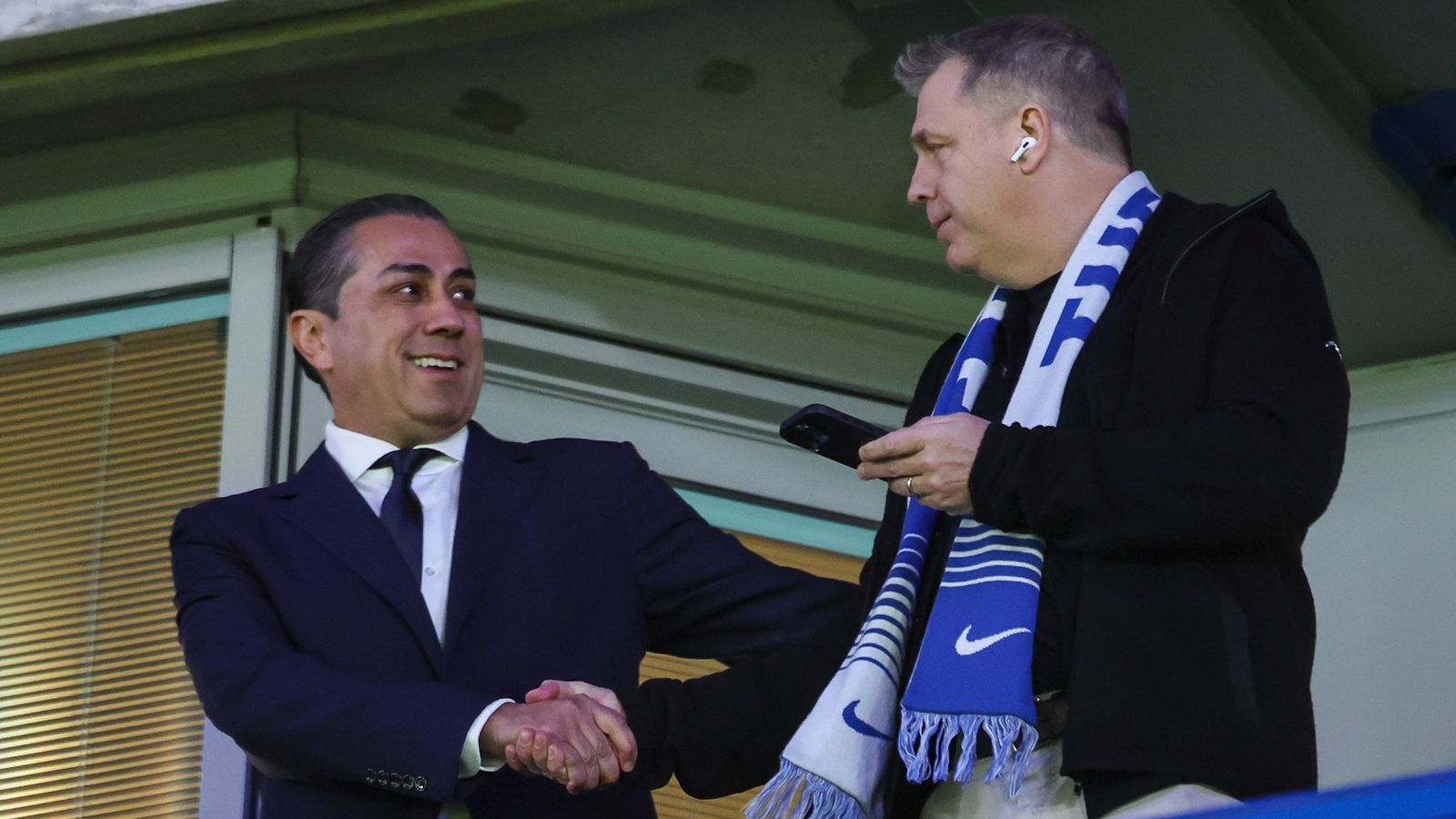
With just five days until the Champions League semi-final legs commence across Europe, Chelsea remains a team operating in a vacuum. Gary Neville recently noted that the ownership group seemingly lacks any coherent long-term strategy, a sentiment that has manifested itself in erratic scouting and a revolving door of tactical identities. The current disconnect between the board and the on-pitch product is stark.
We have watched this project drift since the acquisition. Success on the pitch requires a unified spine, yet Chelsea’s recruitment continues to prioritize volume over velocity. When you look at the underlying metrics, the team remains statistically mediocre. They consistently underperform their xG by a margin that suggests a fundamental issue with shot selection rather than simple misfortune.
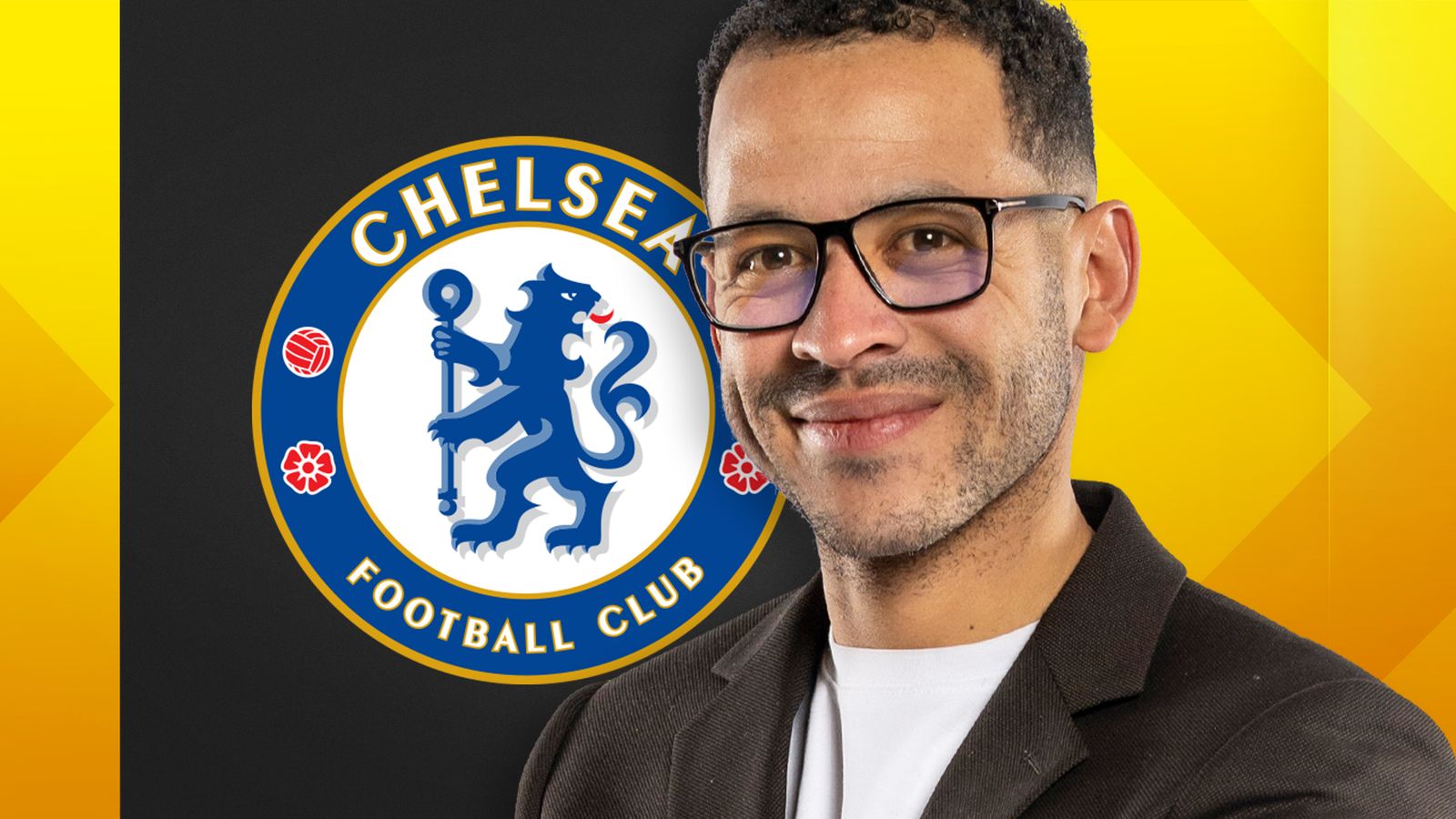
The Liam Rosenior disconnect
There is legitimate frustration regarding the club's management of coaching profiles. As Sky Sports recently documented, the handling of potential managerial candidates suggests a lack of institutional memory. Bringing in names without a clear tactical fit for the current squad is a recipe for stagnation.
The defensive metrics are particularly damning. During the last 10 league matches, the team has conceded an average of 1.8 goals per game. Their high line is frequently exploited by mediocre transitions because the midfield press rarely coordinates. They often get caught in a 4-2-4 shape that leaves only two pivots isolated against opposing counters. It is a tactical gamble that yields very little in possession.
The window is closing on mediocrity
April 23, 2026, marks just over thirty days until the season concludes. The hierarchy seems convinced that a summer overhaul will solve these deep-seated issues, but the data does not support that optimism. Spending capital on individual talent cannot compensate for a lack of structural programming.
The fan base deserves a clearer path, yet they are met with ambiguity. If the ownership truly does not have a clue, as Neville suggests, then the next four weeks are merely an exercise in damage control rather than professional development. It is difficult to envision a cohesive tactical identity emerging before the final whistle in May.
What to watch for in the final month
Watch for the team's pressing triggers in the defensive third. When they lose possession, look for the immediate reaction of the wingers. If they fail to drop into a banks-of-four formation within four seconds of the turnover, the opposition will find the space behind the fullbacks. Their defensive transition is currently the biggest leak in the boat.
If the team continues to rely on individual flashes of brilliance from the forwards instead of set patterns of play, expect more dropped points. They are currently ninth in the league standings, and their recent performances suggest they are closer to relegation-form teams than top-four contenders. The lack of accountability at the top is echoing through the training ground.
Predicting the inevitable decline
My prediction for the final stretch is a slide into the bottom half of the table. Without an internal shift in philosophy, this tactical incoherence will persist. Management will likely fire another coach instead of addressing the flawed roster construction, and the cycle of instability will continue unabated into the next season.