The 106-day collapse and the tactical void
April 23, 2026, marks the end of yet another expensive fever dream at Stamford Bridge. Liam Rosenior’s tenure lasted exactly 106 days, and it ended with a performance at Brighton that was less of a football match and more of a tactical white flag. When you look at the numbers, the surrender becomes even more stark. Chelsea managed a pathetic 0.34 xG across ninety minutes, failing to record a single touch in the opposition box until the hour mark.
The irony is that Rosenior was hired as the 'process' man, the tactical innovator who was supposed to bridge the gap between the chaotic spending of the previous two years and a coherent on-pitch identity. Instead, he became the fifth permanent manager to be chewed up by the West London machine in three years. As Gary Neville rightly pointed out on Sky Sports, the blame doesn't stop at the dugout. The revolving door has become a symptom of a much deeper rot.
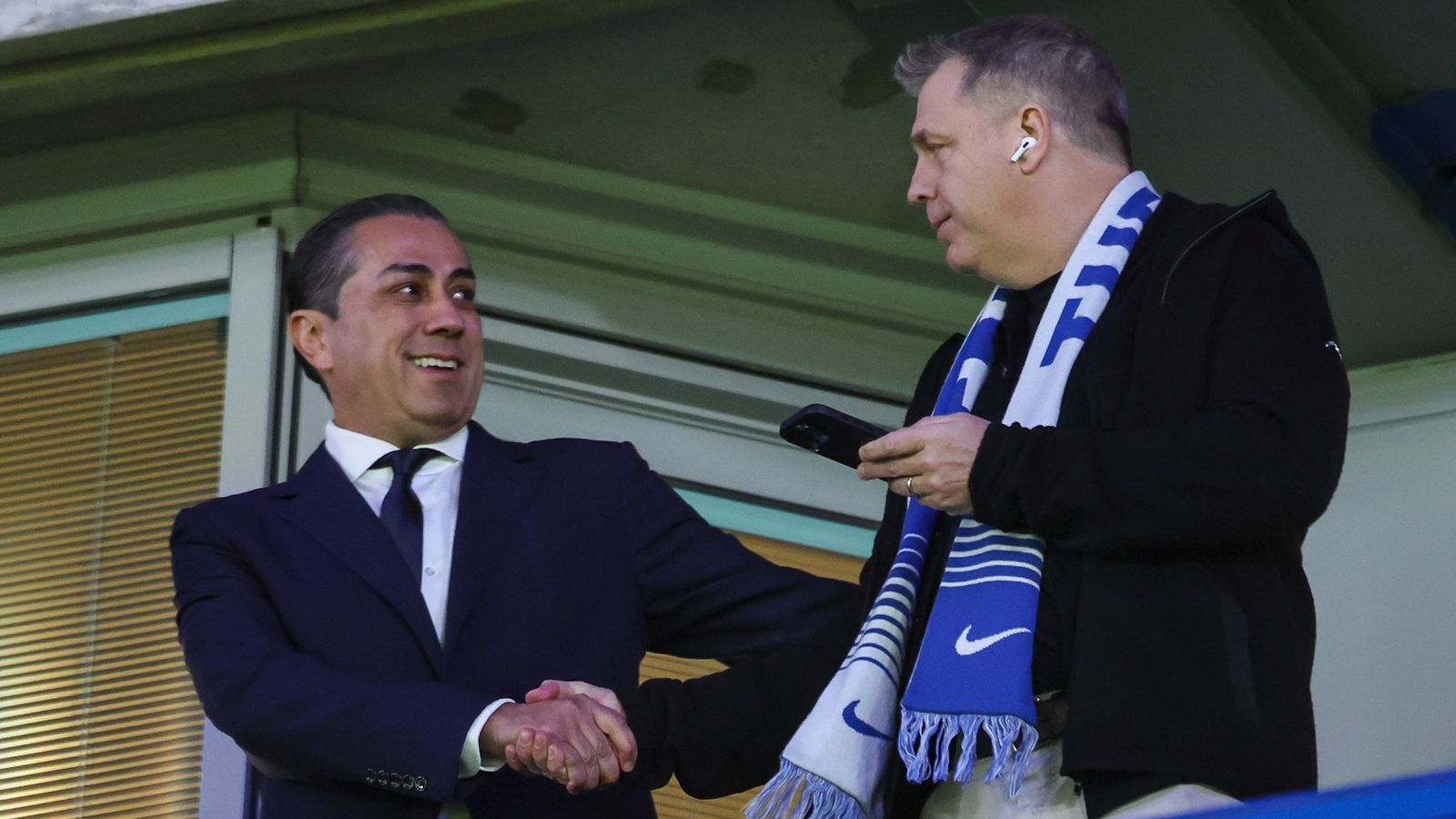
"Chelsea owners don't have a clue - fans will be disgusted how this has gone," Neville said.
Neville’s assessment isn't just punditry hyperbole; it is a reflection of a club that has completely lost its North Star. The Brighton defeat was the final straw, a match where Chelsea’s 3-4-2-1 system was systematically dismantled by simple wide rotations. The lack of a pressing trigger was staggering. Every time Brighton’s center-backs stepped into midfield, Chelsea’s front line sat off, allowing the Seagulls to dictate the tempo at walking pace.
The ownership vacuum and the search for a savior
While the Champions League semi-finals are just five days away, featuring the likes of Manchester City and Real Madrid, Chelsea are once again looking at a spreadsheet of available managers. The gap between the elite standards of the UCL and the current state of Chelsea is now a canyon. The owners have tried the serial winner in Tuchel, the project manager in Potter, the club legend in Pochettino, and the tactical riser in Rosenior. None of them survived the internal friction.
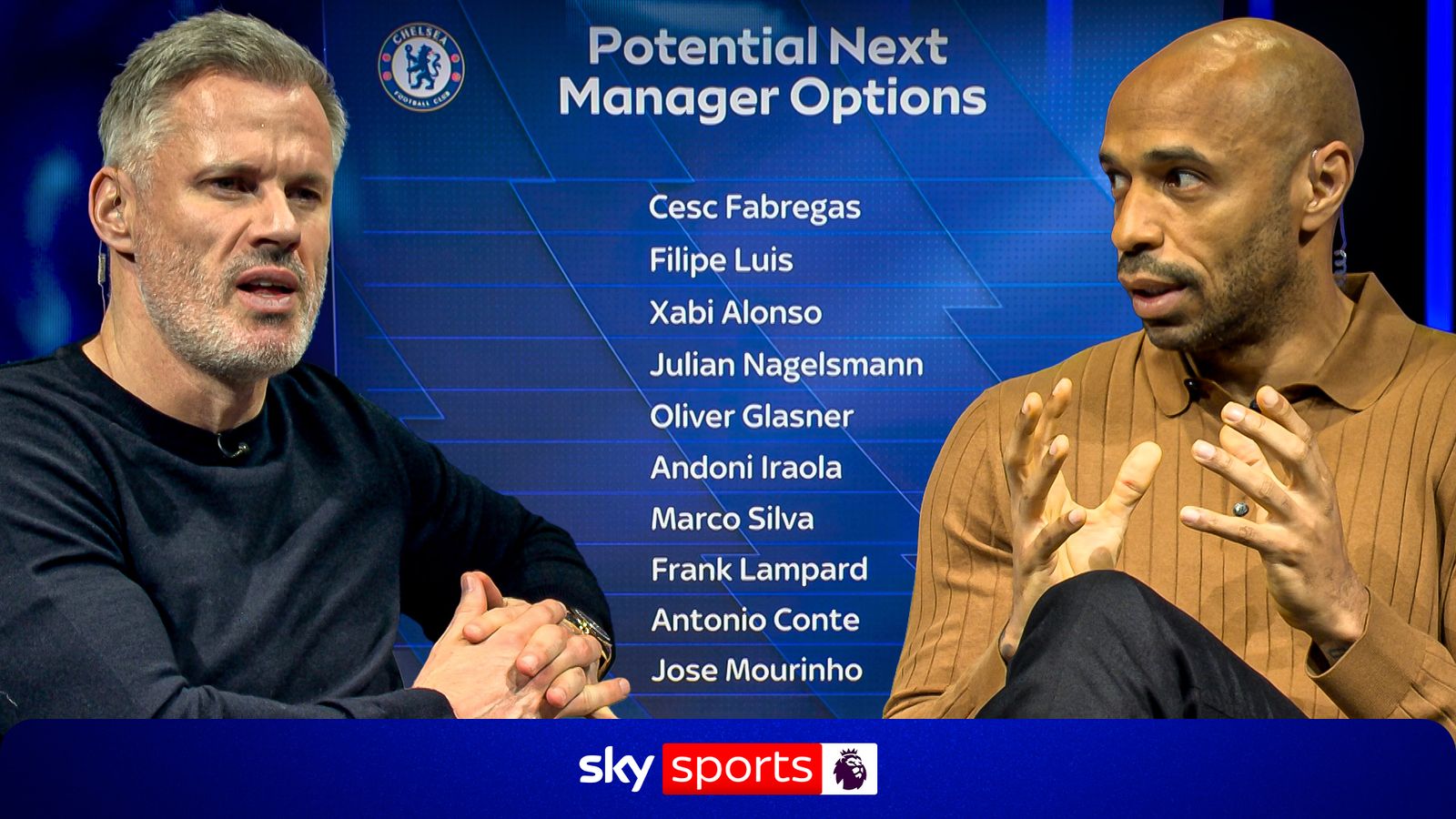
The rumor mill is already churning out the usual suspects. Frank Lampard’s name is inevitably being floated for a third stint to steady the ship until May, but that would be a transparent attempt to shield the board from the vitriol of the match-going fans. The fans aren't asking for a nostalgic distraction; they are asking for a professional football structure. The squad is a bloated mess of long-term contracts and overlapping profiles, making it nearly impossible for any coach to implement a consistent tactical drill.
Look at the midfield configuration against Brighton. You had three players occupying the same half-space on the right, while the left flank was left entirely to an isolated fullback. It looked like a team that hadn't shared a training pitch in months. This isn't just bad coaching; it is the result of a recruitment strategy that prioritizes asset collection over positional need. The wage bill is rumored to be north of £300 million, yet they couldn't find a midfielder capable of tracking a simple third-man run on Saturday.
The Xavi Gamble: Why it’s the inevitable next move
My prediction is that Chelsea will ignore the lessons of the last three years and swing for the biggest available name: Xavi Hernandez. He has been out of work since his Barcelona exit and represents exactly the kind of 'brand name' that this ownership group craves. He brings a clear tactical philosophy and instant credibility, but he is also a manager who requires absolute control over the sporting environment—something that does not exist at Chelsea.
The appointment of Xavi would follow the exact same pattern as the previous five hires. He will arrive with a flourish of talk about 'identity' and 'positional play.' There will be a brief bounce as the players try to impress the new boss. But the moment results dip and the board begins to interfere with selection or recruitment, the friction will return. Xavi is not a manager who compromises, and Chelsea is currently a club built on compromise.
The reality is that no manager, regardless of their tactical acumen, can succeed here until the hierarchy is flattened. The owners are currently acting as scouts, directors, and PR agents all at once. Until they step back and let a genuine sporting director handle the football side, the manager is just a sacrificial lamb for the next bad run of form. We are looking at a club that has spent over £1 billion to become a mid-table case study in mismanagement.
The data behind the decline
To understand why Rosenior failed so spectacularly, you have to look at the defensive metrics. In his 106 days, Chelsea’s 'PPDA' (Passes Per Defensive Action) skyrocketed to 14.5, meaning they were the most passive team in the league when out of possession. For a team that supposedly wanted to play a high-octane, modern style, they were playing with the urgency of a testimonial match. They were conceding an average of 1.8 goals per game, a figure that is unsustainable for any club with top-four ambitions.
There is also the issue of the 'transition tax.' Chelsea are currently the most vulnerable team in the league to counter-attacks following their own set-pieces. Against Brighton, they conceded three clear-cut chances directly from their own corners. This points to a total lack of structural discipline. The players are so confused by the constant change in instructions that they have forgotten the basics of defensive coverage. It is a tactical mess that will take more than a famous name to fix.
What happens next?
If the board follows my predicted path and hires Xavi, they will likely give him a contract until 2029, only to sack him by Christmas 2026. The cycle is too entrenched to be broken by one man. The only way out of this is a total reset of the ownership’s involvement in day-to-day football decisions, but there is zero evidence that they are willing to do that. They still believe they can 'win' the transfer window and that the results will eventually follow.
- The next manager will be the sixth in three years
- The current squad size exceeds 32 senior players
- Chelsea have won just 22% of their matches in 2026
- The wage-to-turnover ratio is nearing a critical breach of PSR
The fans at the Amex didn't just boo the result; they booed the entire direction of the club. They can see what Neville sees. The owners are playing Football Manager with real-world consequences, and the casualties are the managers and the supporters. Until the board stops treating the dugout like a disposable asset, the 'Chelsea situation' will remain the biggest joke in European football. The prediction is clear: Xavi arrives in June, and the circus continues until the inevitable fall in December.