The metrics of a complete tactical collapse
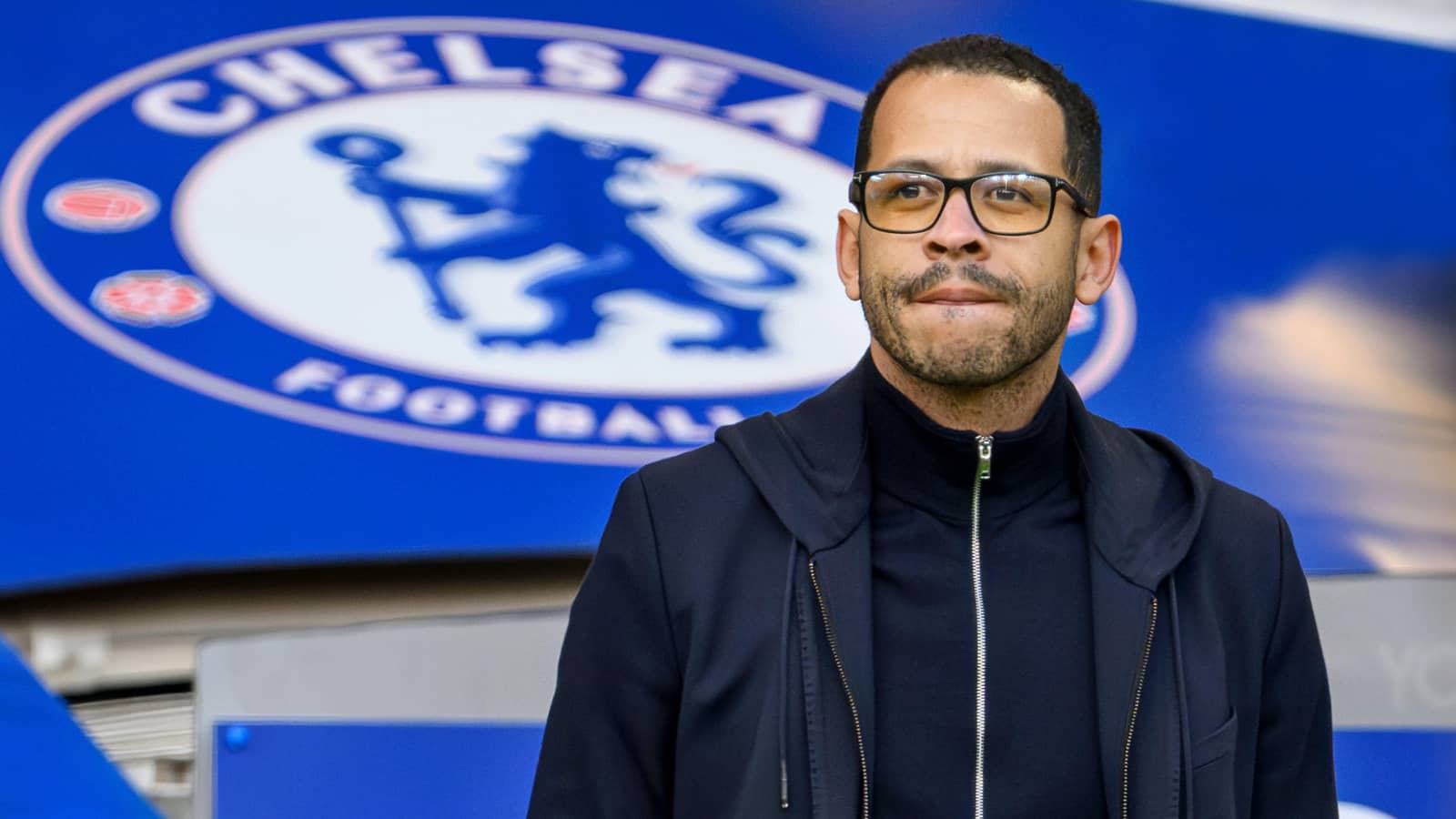
Chelsea’s decision to sack Liam Rosenior on April 24, 2026, marks the sixth permanent manager transition since the BlueCo era began in 2022. The numbers behind the move are as damning as they are predictable. In his final month, Rosenior's squad recorded an average distance covered of just 104.2 kilometers per match, a significant 7.4% drop compared to their opening-month high of 112.5 kilometers. This decline isn't a statistical anomaly; it is a clear indicator of a dressing room that discarded the manager's tactical instructions weeks ago.
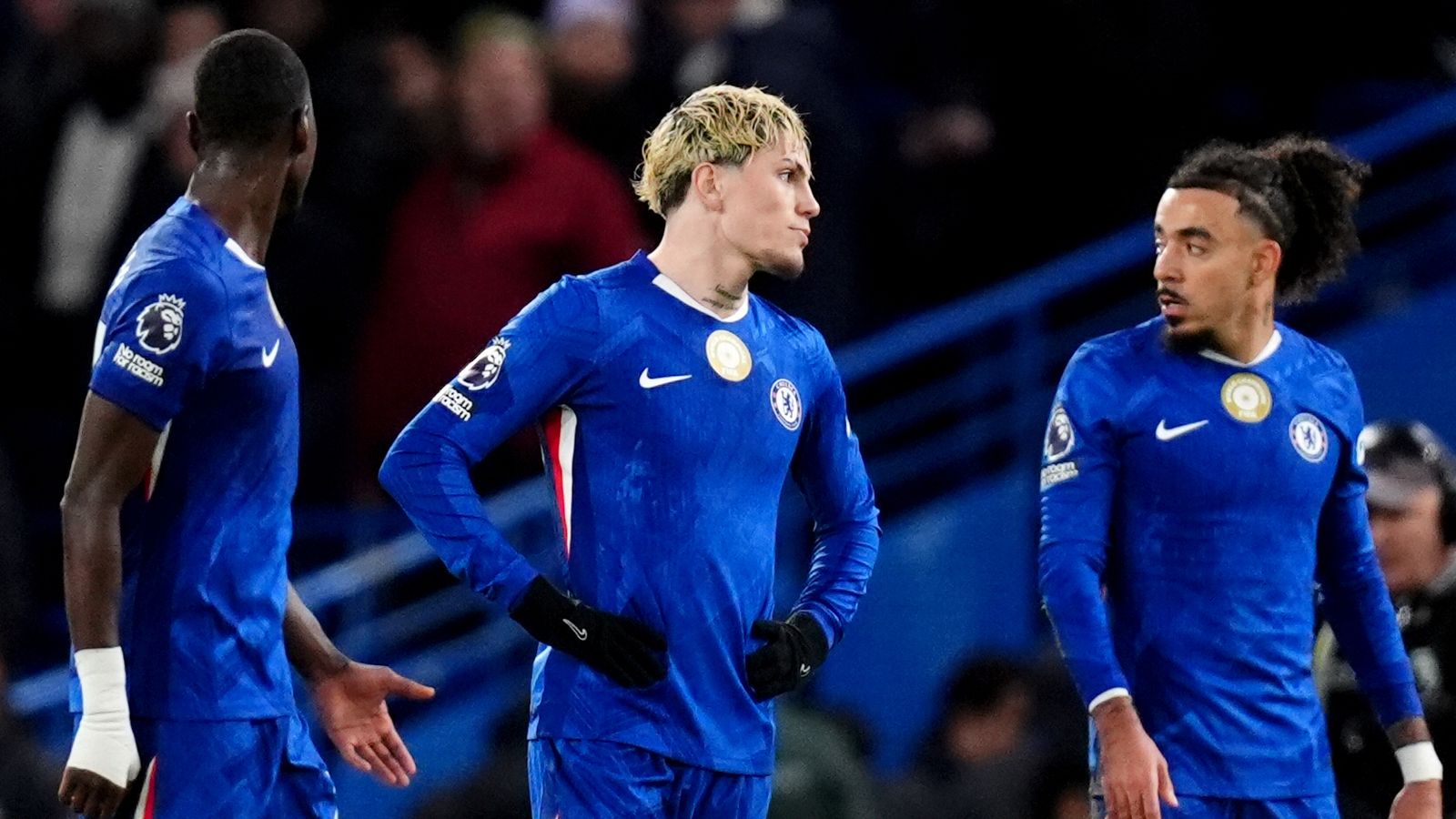
Gary Neville has publicly accused senior players of effectively 'stitching up' their manager, and the heat maps support his assessment. In the recent fixture against Arsenal, the central midfield pairing vacated the middle third entirely, leaving a 25-meter gap between the defensive line and the transition pivot. Opponents have capitalized on this space with ruthless efficiency, logging an xG against of 2.14 per 90 minutes during Rosenior’s final eight games in charge.
The revolving door and the cost of instability
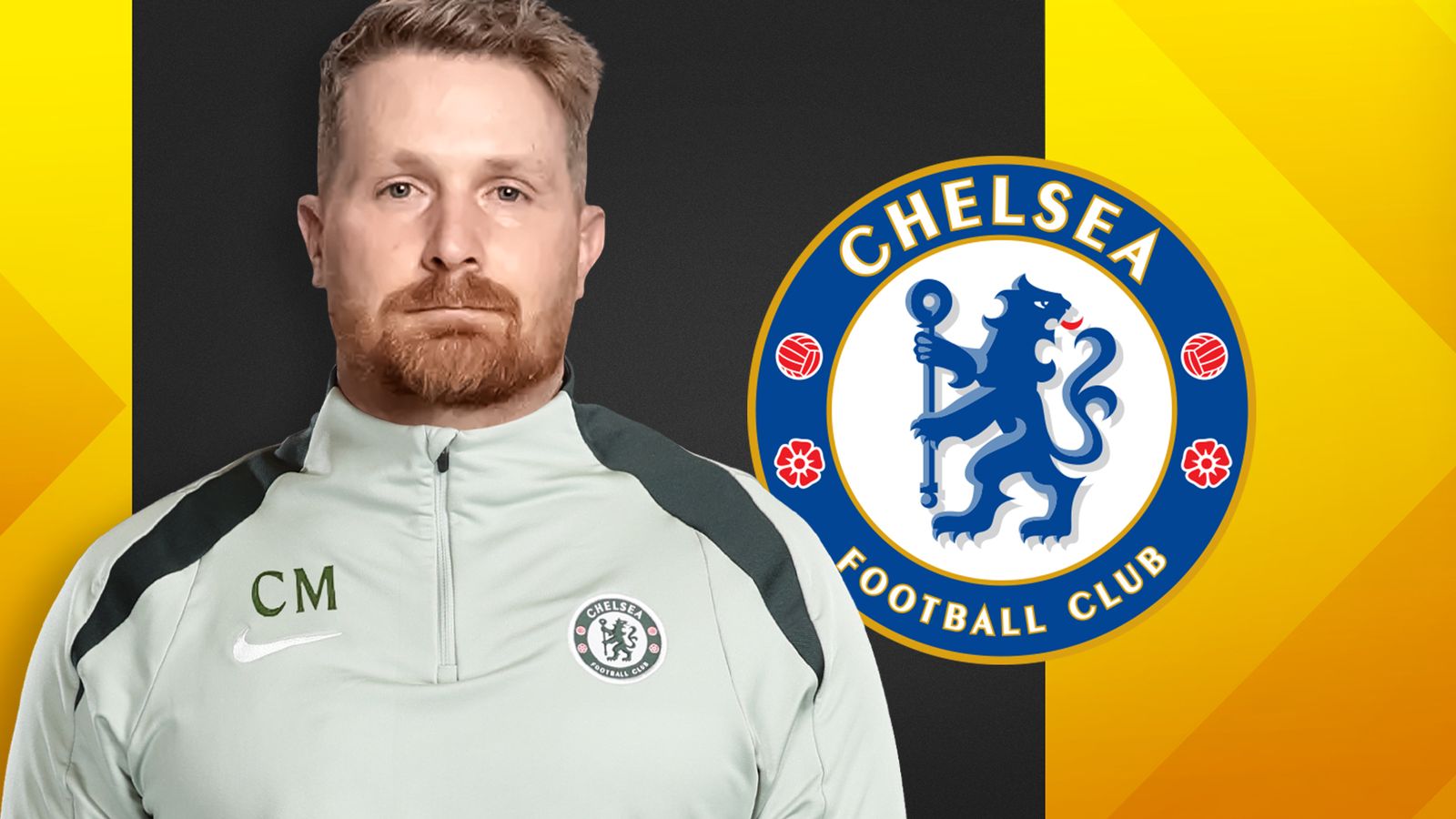
As recent data analysis reports, Rosenior sits at 17th in the historical efficiency ranking of Chelsea managers spanning back to the early Roman Abramovich years. This trajectory has left the club looking toward familiar faces, with Frank Lampard distancing himself from a return despite the rumours swirling in the media. The club now attempts to reset via Calum McFarlane, who steps into the role with a winning percentage of 0% at the senior level within the league structure.
Jamie Carragher’s blistering critique of the ownership group highlights a deeper problem: identity crisis. Since 2022, the club has cycled through tactical philosophies ranging from high-press transition models to controlled possession, yet the underlying progressive passing accuracy has remained stagnant at 72%. For a club aiming for the top four, this is a failure of recruitment and structural planning. The board has essentially chased ghosts, replacing managers without ever auditing why the previous iterations failed to provide stability.
The myth of the short-term fix
The reliance on an interim coach like McFarlane is merely kicking the can down the road. During the last transition phase, Chelsea maintained a point-per-game record of 0.85 under temporary management, which is relegation-grade output for a squad of this budget. Even with the tactical nuance that allowed for a late point against Manchester City earlier this month, the overarching defensive structure has been nonexistent.
The BlueCo approach has lacked any semblance of long-term vision, forcing constant pivots that drain the club of professional capital.
John Terry reportedly expressed interest in steadying the ship, but the board's hesitation speaks to a desire for a 'big name' rather than a tactical overhaul. The reality is that no manager will succeed until the defensive transition metrics are addressed. Statistics demonstrate that Chelsea has allowed 14 goals from set-pieces this season, a figure that highlights a lack of focus that is arguably more dangerous than the lack of attacking creativity.
A pattern of systemic failure
The critique from Gary Neville regarding the players’ lack of effort is backed by the fact that Chelsea’s successful pressures in the final third have plummeted from 28 per match in Q1 to just 16 by late April. When your primary offensive trigger is lost, your ability to sustain possession in the opponent's third evaporates. The current wage-to-point ratio at Stamford Bridge is arguably the worst in European football.
Until the ownership stops viewing the head coach position as a disposable component and starts supporting a single tactical framework, these cycles of misery will continue. The board needs to look at the xG suppression models used by successful mid-table clubs to understand why their own recruitment is failing top-down. The upcoming games won't just be about individual performances; they will be about whether the squad possesses the discipline to stop the slide to mid-table mediocrity. They are currently playing for pride, but the data suggests that in 2026, pride is rarely found in the training ground intensity metrics.