The Unseen Medical Crisis
There are no blown knees dominating the headlines at Cobham this morning. Yet, as a fitness and medical reporter, I can confirm that the Chelsea squad is suffering from a systemic breakdown.
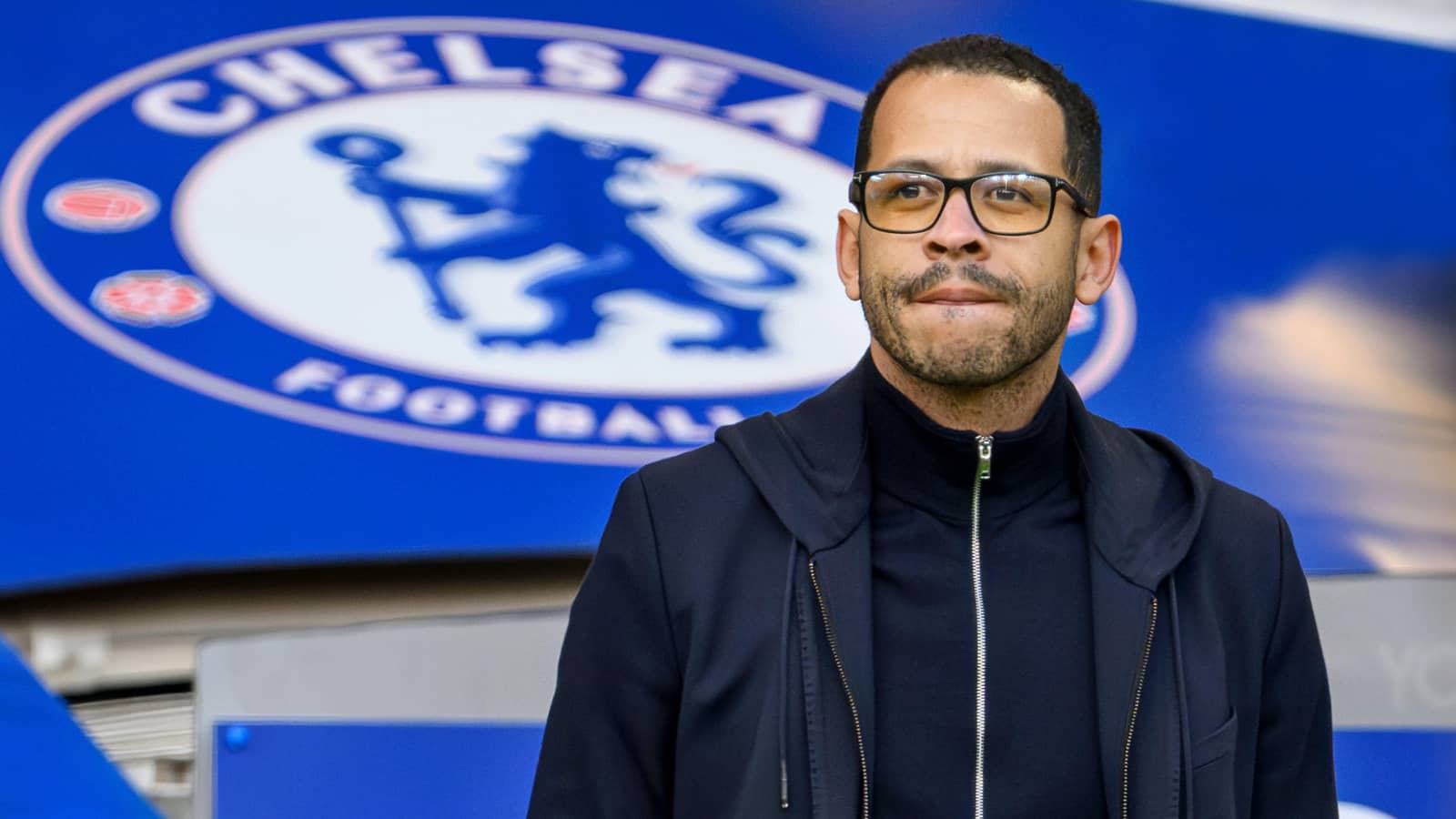
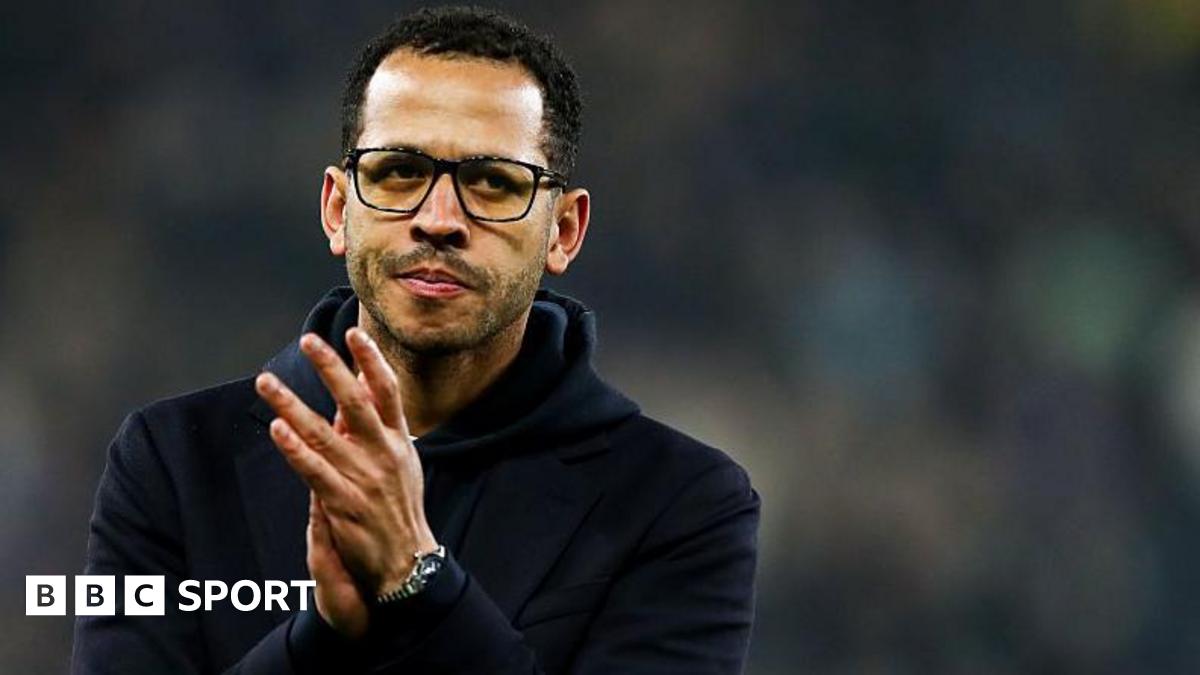
The injury is not localized to one isolated player. It is an acute deficit in physical conditioning and match-day endurance across the entire squad under Liam Rosenior. The timeline for recovery is entirely dependent on whether the training regimen changes immediately.
When Gary Lineker and Alan Shearer reacted to a newly released Opta stat this week, the shock was justified. The numbers expose a squad that is effectively playing in a medically compromised state.
Football at the elite level is a ruthless endurance sport. When a team's running metrics plummet overnight, it points to severe muscular fatigue or a complete failure in sports science protocols.
You can have the most expensive squad assembled in European football history, but if the physical foundation cracks, the talent is useless. A squad that cannot run is a squad that cannot win.
The Symptoms of the Rosenior Era
Chelsea's board has reportedly pencilled in a date to review Rosenior's performance. The hierarchy is determined to give him time, even if Champions League qualification slips away. But the physical data might force their hand.
You cannot survive in the Premier League without baseline running output. The recent Everton mauling was not just a tactical defeat. It was a physical collapse.
Players looked heavy-legged and completely incapable of matching the physical intensity of their opponents. Dropping sprinting distances by significant margins mid-season is glaringly alarming.
This is the impact on upcoming matches: Chelsea cannot execute a high press. Their roster depth means nothing if the starting eleven is physically drained after 60 minutes of regular play.
The squad looks detached from the physical demands of modern football. When players fail to track back, it is rarely a lack of desire. It is a physiological failure caused by lactic acid build-up and improper recovery protocols.
The medical staff at Cobham must be staring at GPS tracking data in absolute disbelief. The players are operating in the red zone, and muscular failure is the inevitable next step.
Club Doctors vs. National Teams
While Chelsea deals with internal fitness metrics, a bizarre medical dispute has erupted on the international stage. It perfectly highlights the immense political power of a club's medical department.
The Bosnian national team head coach has accused ex-Premier League manager Steve Cooper of sabotaging their World Cup hopes. Bosnia plays Wales in a massive play-off semi-final on Thursday.
The winner hosts the victor of Italy versus Northern Ireland for a spot at the upcoming tournament. With the FIFA World Cup kicking off on June 11, the stakes are massive.
Right in the middle of it is a spat over "roots and origins." When a club manager with Welsh roots is accused of sabotage ahead of a match against Wales, the implication is obvious. The national team suspects a fabricated injury report.
The Anatomy of a Disputed Injury
We see this constantly in the world of sports medicine. A club doctor flags a player with a minor muscular issue. The player is formally advised not to travel.
The national team then demands their own medical staff examine the player in person. This creates intense friction between the two medical camps.
A grade-one muscle strain is incredibly difficult to disprove on a standard MRI, making it the perfect medical excuse to withdraw a player from international duty.
The Bosnian coach's explosive comments indicate a complete breakdown in trust between the club's medical staff and the national team's doctors.
If Cooper exaggerated a fitness issue to keep a key Bosnian player sidelined against his native Wales, it is a massive controversy. It turns a medical diagnosis into an act of direct sporting sabotage.
This places the club doctor in a terrible ethical position. Medical professionals are supposed to treat the patient, not manipulate recovery timelines to suit tournament brackets.
The Tactical and Physical Horizon
Back in London, the tactical implications of Chelsea's fitness woes are completely obvious. You simply cannot outplay top-tier opponents when your legs give out before the final whistle.
Pundits have already slammed the decision to appoint Rosenior as "madness." Taking over mid-season and attempting to change the physical profile of a squad usually results in a dramatic spike in soft-tissue injuries.
Instead of acute tears, we are seeing a blunt-force drop in overall mobility. The players are simply not running. This is a damning indictment of the current training loads being applied.
There are only two ways out of a collective fitness hole. Either the training staff drastically reduces intensity between matches to allow for recovery, or they run the squad into the ground trying to force sudden physical adaptation.
The latter approach usually results in a crowded treatment room. Chelsea's medical staff must be working overtime to manage player loads right now, frantically trying to avoid a wave of hamstring and calf pulls.
You cannot cheat biology. If the muscles are fatigued, the sprinting output drops. If the sprinting output drops, the tactical system falls completely apart.
The Return of Lampard?
With pressure mounting, Nicky Butt and others have suggested bringing Frank Lampard back to Stamford Bridge. Lampard's stock is high after pushing Coventry City toward promotion.
From a strict fitness perspective, a managerial change sparks a temporary physical boost. Players suddenly find an extra five percent in their sprinting metrics purely to impress the new boss.
But relying on a temporary physiological bounce to solve a deep-rooted deficit is poor medical practice. Lampard's Coventry side operates with a high-energy profile that Chelsea cannot replicate right now.
If Lampard arrives, his backroom staff will immediately audit the entire sports science department. They will need to figure out exactly why the current squad has flatlined so severely.
The BlueCo ownership has overseen numerous mistakes since sacking Thomas Tuchel. The failure to maintain elite physical standards across multiple regimes is perhaps the most glaring error.
Every time you change the manager, you change the physical demands placed on the athletes. The body needs time to adapt, and Chelsea's players have been jerked around by too many different fitness philosophies.
Short-Term Pain, Long-Term Questions
The timeline for fixing Chelsea's physical ailments is bleak. In the immediate term, they simply have to survive the upcoming fixtures without suffering catastrophic muscular injuries.
Over the next one to three weeks, expect Rosenior to sit his team in deeper defensive blocks. When your team lacks the baseline fitness to press, you are forced to drop deep and conserve energy.
In the long term—looking a month ahead—the club must overhaul its conditioning programs. They cannot compete with the top four while carrying this alarming level of physical fatigue.
This is not a traditional injury report. But the reality is that an entire squad failing to run is far more damaging to a season than a single striker pulling a hamstring.
A torn ligament has a clear, predictable timeline. You perform the surgery, do the grueling rehab, and return to the pitch in nine months. A complete collapse in squad-wide fitness is a disease with no immediate cure.