
Chelsea have a sack plan for Liam Rosenior while Man City wait for their verdict

The BlueCo guillotine and the Rosenior experiment
Liam Rosenior is finding out that at Chelsea, progress is measured in weeks, not seasons. The report that he is a “dead man walking” at Stamford Bridge confirms the structural instability of the current project. Despite the rhetoric of long-term building, the reality remains a high-variance environment where the margin for error is non-existent.
BlueCo reportedly has a “sack plan” in place, suggesting that the decision has already been made behind closed doors. This is not a reactive move based on a single bad result, but a calculated pivot to a replacement who has already been identified. The cold efficiency of this approach is typical of the current ownership, even if it ignores the human cost of managing such a young, disjointed squad.
Rosenior was brought in to provide a specific tactical identity, but the data suggests he has failed to hit the necessary benchmarks. His insistence on a methodical build-up has often looked toothless against low blocks, and the defensive transition remains a glaring weakness. When a manager is labeled a “dead man walking,” it usually means the boardroom has lost faith in the underlying metrics as much as the results.
As Football365 recently noted, the replacement is already in the wings. This suggests that the vetting process for the next head coach happened while Rosenior was still preparing for matches. It is a ruthless way to run a football club, and it raises questions about whether any manager can actually succeed under this kind of constant scrutiny.
Man City and the extraordinary factor of the 115 charges
While Chelsea deals with managerial churn, the rest of the league is looking toward Manchester. The news that a verdict in Manchester City’s Financial Fair Play case is expected “within weeks” has sent shockwaves through the executive offices of every major club. For years, the **115** charges have hung over the league like a fog, and the sudden acceleration of the timeline is significant.
The mention of an “extraordinary factor” driving this quick resolution is the real hook here. In legal proceedings of this complexity, things usually slow down, not speed up. This suggests that a specific piece of evidence or a procedural breakthrough has cleared the path for the independent commission to reach a conclusion. The impact of a “sanction hearing” could be catastrophic for City if the ruling goes against them.
If a verdict arrives in late April or early May, it could fundamentally alter the final standings. We are talking about potential points deductions that would move City from title contenders to mid-table, or even worse. The technicality of the “sanction hearing” implies that the commission is already considering the scale of the penalty rather than just the question of guilt.
The league has been waiting for this clarity for a long time. As reports indicate, the resolution is now imminent. This isn't just about accounting; it's about the integrity of the competition over the last decade. A guilty verdict would necessitate a total re-evaluation of the City era and the legitimacy of their trophy haul.
The PGMOL vetting disaster at Old Trafford
Off the pitch, the administrative failures of English football continue to mount. The revelation that a linesman scheduled for the high-tension Roses fixture between Manchester United and Leeds is a police officer facing allegations of inappropriate behavior is a massive failure of background checks. The match, set for **Monday night** at Old Trafford, is already a security risk without adding this kind of PR nightmare.
According to the exclusive report from Mike Keegan, this official worked the FA Cup quarter-final between Chelsea and Port Vale. How a vetting process allows an individual under investigation for such serious allegations to continue officiating at the highest level is baffling. It shows a lack of communication between the police force and the PGMOL that is frankly amateurish.
The Roses derby is one of the most volatile fixtures in the calendar. It requires officials who are beyond reproach to manage the inevitable flashpoints on the pitch. By allowing this appointment to stand until the last minute, the PGMOL has invited unnecessary controversy into a match that already has enough edge to it. It is another example of the refereeing body being reactive rather than proactive.
The allegations involve a female colleague, which adds a layer of toxicity to the situation. In an era where football is supposedly trying to clean up its culture, having an official under this kind of cloud is a terrible look. The technical failure here isn't just in the vetting, but in the total lack of transparency from the authorities until the media forced their hand.
The structural collapse of the Chelsea project
Returning to Chelsea, the “sack plan” for Rosenior highlights a deeper issue with the BlueCo strategy. They have spent billions on players but have failed to establish a stable leadership environment. Rosenior is merely the latest casualty of a system that prioritizes algorithmic fit over human management. The identified replacement will likely face the same issues within six months.
The squad is a collection of high-potential assets that have yet to coalesce into a functional unit. Rosenior struggled to find a balance in midfield, often leaving the back four exposed to direct runners. His tactical rigidity meant he rarely adjusted his setup during matches, leading to a predictable pattern of play that opponents easily exploited. A points-per-match average of just **1.24** was never going to be enough to satisfy the owners.
There is a critical lack of veteran leadership in the Chelsea dressing room, a direct result of the recruitment policy focusing exclusively on U-25 players. This has left Rosenior without the “on-pitch lieutenants” needed to manage game states. When things go wrong, the team tends to collapse in a flurry of individual errors. This isn't just a coaching failure; it's a squad construction failure.
The “dead man walking” status makes it impossible for Rosenior to maintain authority. Players are smart; they know when a manager has lost the backing of the board. The atmosphere at Cobham must be poisonous right now, with everyone waiting for the axe to fall. It is a dysfunctional way to run a top-tier sporting organization, yet it has become the standard at Stamford Bridge.
The legal endgame for Manchester City
The Man City case is moving into its final phase, and the “sanction hearing” is the most important date on the calendar. This is where the arguments over the severity of the punishment will take place. City will undoubtedly argue that their contributions to the league's growth should be a mitigating factor, but the commission is unlikely to be swayed by commercial success if the rules were broken.
The “extraordinary factor” could potentially be a settlement or a specific admission of certain secondary charges that has simplified the process. Regardless, the timeline of “within weeks” means we won't have to wait much longer for an answer. This is the moment that could define the next decade of English football. A significant points deduction would be the only way to satisfy the other **19** clubs who have been watching this saga with increasing frustration.
The impact on the transfer market would be immediate. If City are hit with a transfer ban or a demotion, we could see an exodus of world-class talent. The technical implications for their squad value would be a nightmare for their accounting department. It would be a total reset for a club that has operated with impunity for years.
The sanction hearing will likely focus on the “deliberate intent” behind the alleged rule-breaking. If the commission finds that City intentionally misled the league, the punishment will be severe. We are looking at a potential turning point where the financial rules finally show some teeth. The next few weeks will tell us if the Premier League is willing to hold its most successful member to account.
The PGMOL's credibility gap
The situation with the linesman is a symptom of a wider credibility gap at the PGMOL. They are constantly firefighting controversies that are entirely avoidable. The decision to appoint an official under investigation for inappropriate behavior to a high-profile match like Man Utd vs Leeds suggests a total lack of internal oversight. It is a failure of governance that mirrors the issues we see in the club boardrooms.
The Roses fixture requires a level of officiating excellence that the current system is struggling to provide. By allowing this official to remain on the list after the allegations came to light, the PGMOL has shown a disregard for the standards expected of Premier League representatives. It is not just about the match itself; it's about the message it sends to the fans and the wider public.
Manchester United and Leeds fans rarely agree on anything, but they will both be rightfully furious if this appointment affects the outcome of the match. The pressure on the remaining officials will be immense. The linesman in question should have been stood down the moment the police investigation was confirmed. The fact that he was allowed to work the Chelsea vs Port Vale game first only compounds the error.
This is a negative observation that cannot be ignored: the leadership of English football is failing. From the chaotic ownership at Chelsea to the protracted legal battle with City and the incompetence of the PGMOL, the product on the pitch is being overshadowed by the mess off it. We are watching a league that is struggling to regulate itself at a time when its global influence has never been higher.
The coming storm in the Premier League
We are entering a period of unprecedented turmoil. Within the next month, we will likely see a manager sacked at one of the world's biggest clubs, a verdict that could strip a champion of its status, and a refereeing scandal that further erodes trust in the game. It is a volatile mix that will test the resilience of the league's fans.
The Chelsea “sack plan” and the City “within weeks” verdict are linked by a common thread: the obsession with technical compliance and data-driven outcomes. But football is still a game played by humans and managed by people. The mechanical approach of BlueCo and the legalistic maneuvers of City have stripped some of the soul out of the sport. We are left with a series of “sanction hearings” and “dead men walking” instead of a pure focus on the 90 minutes.
As we look toward the final weeks of the season, the focus should be on the football. Instead, we are refreshing legal feeds and waiting for exclusives from Mike Keegan. The “extraordinary factor” in the City case might be the only thing that brings some closure to this era of suspicion. Until then, the Premier League remains a collection of high-stakes dramas that have more to do with the courtroom than the pitch.
The Rosenior era at Chelsea will likely end with a whimper, another name on the list of discarded projects. But the City verdict will be the bang that changes everything. Whether the league can emerge from these scandals with its reputation intact is the biggest question of all. For now, we wait for the first domino to fall at Stamford Bridge or the Etihad.
Frequently Asked Questions
Why is Chelsea planning to sack Liam Rosenior?
How does Chelsea's current ownership handle managerial changes?
When is the verdict for Manchester City's FFP case expected?
What could happen to Man City if found guilty of the 115 charges?
What does the upcoming sanction hearing imply for Manchester City?
More Coverage
Arsenal’s European ambition check is about eighty games overdue
an hour ago
Tottenham are shaking up the squad with a record-breaking push
an hour ago
Arsenal weigh up Ethan Nwaneri departure as Premier League interest grows
an hour ago
Arsenal's transfer strategy remains locked on silverware
an hour ago
Anthony Gordon to Barcelona is a high-stakes gamble for all involved
an hour ago
Anthony Gordon to Barcelona marks a high-stakes gamble
3 hours agoMore Analysis

Liam Rosenior is on borrowed time despite Chelsea's PR campaign
1 month, 1 week ago
Liam Rosenior is staring at the abyss at Chelsea
1 month, 1 week ago
Liam Rosenior is dancing on the edge of the Chelsea abyss
1 month, 1 week ago
Liam Rosenior is learning the hard way that Chelsea is where tactical plans go to die
1 month, 1 week ago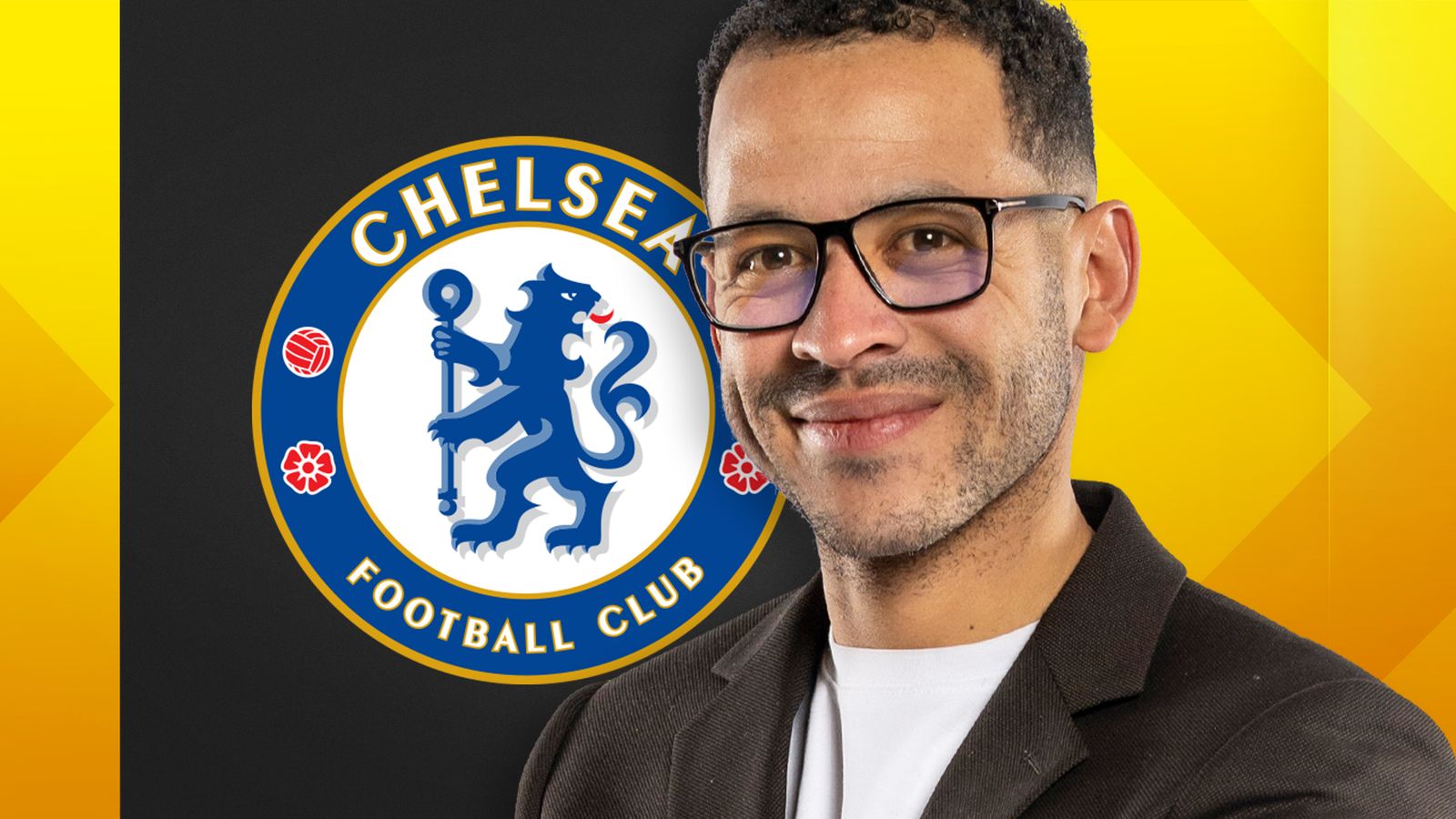
Liam Rosenior is learning that the Chelsea job is just a high-paid temp gig
1 month, 1 week ago