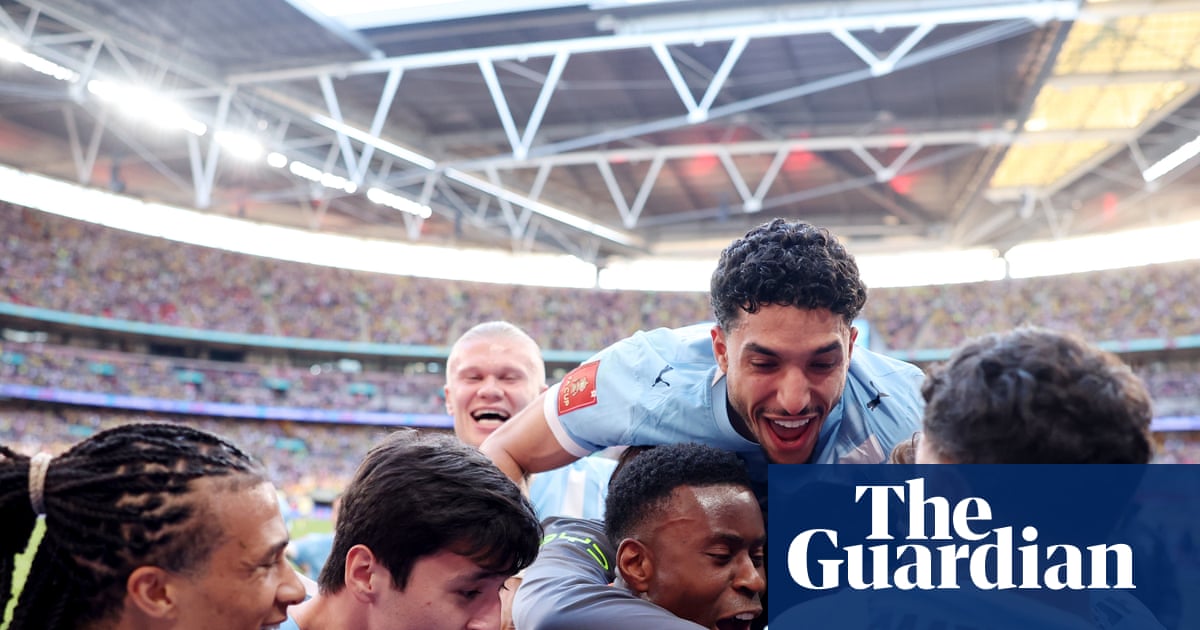
So here we are. It is May 15, 2026. We are exactly 24 hours away from the FA Cup Final at Wembley.
Manchester City are waiting. And Chelsea, in their infinite wisdom, are spending the eve of the biggest match of their season defending themselves against accusations of mutiny.
You actually cannot write this stuff. The scripts would get rejected for being too unrealistic.
Chelsea have sacked two head coaches this year. Liam Rosenior was tossed into the meat grinder and spat back out in record time. Now, Romeo Lavia is doing media rounds trying to convince everyone that the squad didn't deliberately stop running just to get Rosenior fired. It is a spectacular mess. And the internet, naturally, is having an absolute field day with it.
Let's dive into the absolute state of the football timeline right now. From Stamford Bridge conspiracies to a genuine legend finally hanging up his boots at Goodison, the timeline is moving fast.
The Chelsea "Downing Tools" Debate
If you spend more than five minutes on any Chelsea forum right now, you will find a fanbase entirely fractured. It is a digital warzone.
The Daily Mail dropped the Lavia interview where he addressed the accusations, and the battle lines were instantly drawn.
On one side, you have the Player Power truthers. This camp looks at Chelsea’s catastrophic mid-season form, followed immediately by their sudden resurgence just in time for a cup final, and sees a glaring red flag.
They argue that these highly paid twenty-somethings simply stopped trying under Rosenior. They point to the lethargic pressing stats from February. They highlight the casual jogging. The loose passes. The general vibe of a team waiting for the ax to fall.
Their argument is simple. You do not just forget how to play football for three months and then suddenly remember when the manager gets sacked. It is a deliberate choice.
Then you have the Tactical Apologists. This faction is aggressively defending Lavia and the squad.
They argue that Rosenior’s system was fundamentally broken at this level. They claim the players looked lazy because they were confused by contradictory tactical instructions, not because they were staging a strike.
They point out that Lavia, specifically, has been dealing with fitness management. Blaming a 22-year-old for a structural collapse orchestrated by the boardroom is, in their eyes, lazy punditry.
So, who is right?
Honestly, the truth is usually somewhere in the muddy middle, but the Player Power crowd has the stronger case here. Modern football heavily favors the players.
When a dressing room decides a manager is a dead man walking, the effort levels absolutely drop. It might not be a conscious, mustache-twirling conspiracy where they all meet in a dark room and agree to lose. But the subconscious drop in intensity is incredibly real.
You can see it in the tracking back. You can see it in the second balls. Chelsea under Rosenior in his final weeks looked completely hollow. Lavia coming out now to say they didn't do it on purpose is standard PR survival tactics. What else is he going to say?
He is protecting his brand. But the timing is brutal.
The Bizarre Underdog Mentality
The Guardian ran a piece today leaning heavily into this narrative that Chelsea are these plucky underdogs heading into the final against City. It is a wild spin.
Yes, they have been terrible for large chunks of the year. But let us be serious. You do not get to spend a billion pounds on transfers and then play the underdog card.
The media is pointing to last summer’s Club World Cup, where Chelsea apparently surprised Paris Saint-Germain to win the whole thing. Fans are not buying this narrative.
The reaction to the Guardian piece has been mostly eye-rolls. Rival fans are quick to point out that Chelsea's financial doping over the last two decades disqualifies them from ever being the romantic underdog story.
The consensus is clear. If Chelsea wins, it is an indictment of the modern game where dysfunction can still buy a trophy. If they lose, it is hilarious karma. Nobody neutral is rooting for them.
The End of an Era on Merseyside
While Chelsea are busy generating prime soap opera content, actual footballing heartbreak dropped over at Everton.
Séamus Coleman is finally leaving at the end of the season. Seventeen years. It feels weird even typing that out.
The captain’s contract expires next month. He has a coaching offer on the table, but he might still try to play elsewhere.
The reaction across the footballing web has been universally respectful, which is incredibly rare. Even Liverpool fans are tipping their caps. You have to understand the context of Coleman to Everton.
He is the ultimate sixty grand bargain. He survived David Moyes, Roberto Martinez, Ronald Koeman, Sam Allardyce, Marco Silva, Carlo Ancelotti, Rafa Benitez, Frank Lampard, and Sean Dyche.
He is the cockroach of the Premier League, and I mean that with the utmost respect. He survived nuclear fallout after nuclear fallout at Goodison Park.
The sentimental fans are obviously devastated. They wanted him to retire as a one-club man. They want him straight into the coaching setup.
They remember the overlapping runs from a decade ago. They remember the sheer willpower he exerted to drag terrible Everton teams over the finish line.
But there is a quieter, more pragmatic segment of the fanbase that is breathing a slight sigh of relief. And they are not wrong.
Everton’s reliance on Coleman well into his mid-thirties has been a massive indictment of their terrible recruitment. Every summer they bought a supposedly younger, better right-back.
Nathan Patterson was supposed to be the guy. Yet every winter, a 35-plus-year-old Coleman was back in the starting eleven because the new guys forgot how to defend. It was romantic, but it was bad squad management.
Moving on is the right call for the club. It forces them to finally, permanently fix a position they have applied a plaster to for a decade. But it still stings. You do not replace that kind of dressing room gravity easily.
Bournemouth Quietly Lose a Gem
In news that completely flew under the radar thanks to the Chelsea circus, Marcos Senesi is leaving Bournemouth.
The BBC dropped the confirmation today. His contract is up, and he is walking.
This is exactly the kind of news that gets ignored by the casuals but sends the tactical nerds on Twitter into an absolute tailspin.
The analytics community has loved Senesi for years. Finding a left-footed center-back who can actually progress the ball through the lines without panicking is incredibly difficult.
Most left-sided defenders look like they are operating heavy machinery when they try to play a forward pass. Senesi is smooth.
The Bournemouth supporters are annoyed, and rightly so. Losing a starting center-back on a free transfer is terrible business. The reaction threads are full of frustration aimed at the board.
How do you let a prime-age international defender just walk out the door for zero financial return?
Some fans are trying to spin it positively. They claim his lack of elite pace was always a liability in a high line. But that is pure tactical copium.
You cannot replace his progressive passing easily. He was the guy who broke the first line of the press. Without him, Bournemouth are going to have to drastically alter how they build out from the back next season.
Expect to see him linked to half of Serie A by Tuesday.
The Final Word
Look, the end of the season always brings this chaotic energy. Players are tired. Managers are paranoid. Fans are desperate for the misery to end.
Tomorrow, Chelsea are going to walk out at Wembley. They are a disjointed, chaotic mess.
If they somehow manage to beat Manchester City, it will be the most unearned trophy of the year. It will justify the chaos for the board, infuriate the purists, and spark a million more arguments.
And somewhere, Séamus Coleman will probably be watching, wondering how a team with that much drama keeps falling upwards.
Read Next