FA Cup Final Nears: Fitness at a Premium
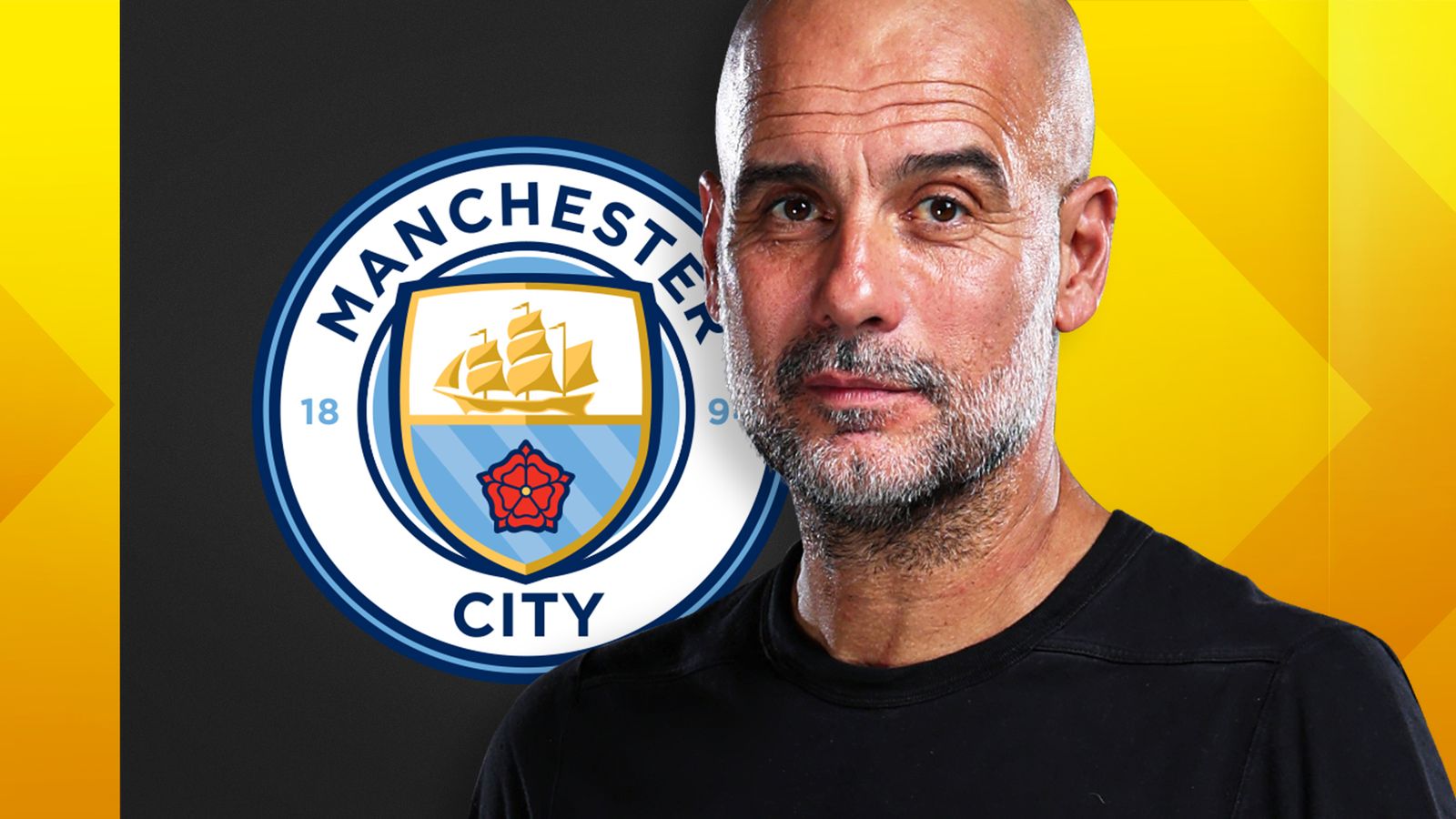
The build-up to tomorrow’s FA Cup Final at Wembley is dominated by the perennial question of player fitness. For Manchester City, manager Pep Guardiola has issued an update regarding midfielder Rodri, a linchpin in their tactical setup. While the specifics of Guardiola’s comments remain under wraps, any news concerning a player of Rodri’s stature inevitably sends ripples through both dressing rooms and fanbases. His availability, or lack thereof, directly impacts City’s defensive solidity and control in midfield, a system built around his unique capabilities.
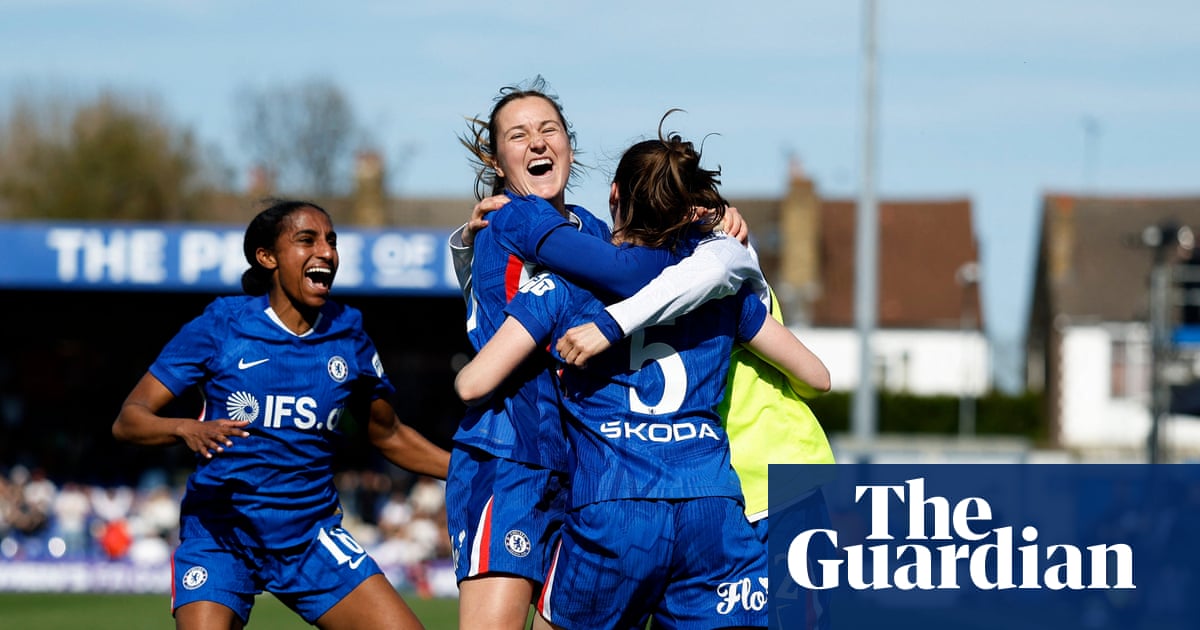
Across the dugout, Chelsea enter the final with what is being termed a “triple injury boost.” This influx of returning talent offers a crucial psychological and tactical lift for the Blues ahead of their showdown with the reigning Premier League champions. The timing is paramount, providing Chelsea’s coaching staff with more options and depth, vital against a side as formidable as Manchester City. The nature of these returns will dictate Enzo Maresca’s starting XI and potential in-game adjustments, adding layers to an already complex tactical battle.
The Relentless Calendar and Managerial Tightropes
The modern football calendar offers little respite, pushing elite athletes to their physical limits. This constant pressure creates a precarious balance for managers who must juggle squad rotation, player recovery, and peak performance for crucial fixtures. Guardiola, renowned for his meticulous preparation, understands that even minor fitness concerns can derail months of planning. His handling of Rodri’s situation exemplifies this tightrope walk, where every decision carries immense weight. The absence of a key player like Rodri could force a fundamental shift in City’s approach, moving away from their established rhythm.
The physical demands on players mean that the true impact of a grueling season often manifests in the final weeks. Chelsea’s “triple boost” provides a counter-narrative to the injury woes that plague many top clubs. It suggests a strategic and perhaps fortunate turn in their medical department’s efforts, offering them a more robust squad to challenge City’s dominance. However, integrating returning players back into high-stakes environments carries its own risks, particularly regarding match sharpness and preventing immediate re-injury.
Youth Cup Echoes: The Future Stars Face Similar Tests
Just yesterday, the FA Youth Cup final provided a glimpse into the future of English football, with Manchester City triumphing 2-1 over local rivals Manchester United. Reigan Heskey, son of former Premier League star Emile Heskey, scored the decisive goal, inflicting heartbreak on United’s youngsters. This match, held at City’s academy campus, saw top talents like JJ Gabriel and Chido Obi for United, and Nico O'Reilly for City, battle it out. The presence of first-team luminaries such as Bruno Fernandes, Mason Mount, and Luke Shaw from United, alongside Pep Guardiola himself, underscored the significance of youth development. Michael Carrick notably brought several senior players to support the young Red Devils. These emerging stars, too, face rigorous physical regimes, laying the groundwork for careers where fitness will become an even more critical differentiator.
The development pathways for players like Nico O’Reilly, who has fond memories of playing at Wembley, highlight the journey from academy pitches to senior stages. The parallels between youth and senior football, especially concerning physical conditioning and injury prevention, are striking. Darren Fletcher, coaching the Manchester United youth side, himself a former unsung hero, now mentors teenagers navigating similar pressures. His experience underscores the long-term demands placed on players from a young age.
Strategic Implications and Historical Context
For Manchester City, securing another FA Cup would further cement their legacy, particularly after the recent interview with Bernardo Silva hinted at his potential departure from the Premier League after this season. Silva's reflections on the intense demands and expectations at City – “At Man City if you don't win, you don't belong” – underscore the club’s relentless pursuit of silverware. His comments provide insight into the pressure cooker environment that defines success at the Etihad. An injury setback to a crucial player like Rodri would naturally complicate this objective, forcing Guardiola to innovate. Historically, FA Cup finals have often been decided by fine margins, where a single injury or a player performing below par due to fitness issues can alter the outcome dramatically.
Chelsea, under new management, view this final as an opportunity to salvage a tumultuous season and signal a more promising future. The club’s recruitment strategy and managerial appointments have often been under scrutiny, and a trophy would provide tangible proof of progress. The “triple injury boost” arrives at a pivotal moment, offering the squad a stronger foundation to compete against a formidable opponent. However, the true test lies in whether these returning players can immediately impact the game at the necessary intensity. Failure to do so could lead to questions about the club’s long-term strategy for player management and squad depth.
The Critical Balance of Risk and Reward
The inherent tension in football’s biggest games often centers on how clubs manage the fine line between pushing players to their limits and preserving their long-term health. The pre-final fitness updates for both Manchester City and Chelsea highlight a critical aspect of elite sports that often goes underreported: the continuous medical and physiological battles fought behind closed doors. The decision to risk a half-fit player, or to trust an untested alternative, can define a season. This high-stakes calculus, particularly with key players like Rodri, is a constant burden on coaching and medical staff. The lack of transparency around specific injury details, while understandable from a competitive standpoint, often leaves fans and analysts piecing together incomplete puzzles until kickoff.
Read Next