Chelsea’s Champions League push is hitting a wall of frailty

The mental hurdle facing Rosenior
Liam Rosenior has a clear diagnostic for his Chelsea side as the campaign enters its final act. After dropping points in high-pressure scenarios, the manager openly admitted that his squad lacks the requisite resilience needed to navigate difficult moments. It is a damning assessment for a team purportedly gunning for a spot in Europe’s elite competition.
The mathematical reality is stark. With the season nearing conclusion, every dropped point functions as a self-inflicted wound. Rosenior knows that without a clinical recalibration of their collective character, the upcoming clash against Manchester United becomes a terminal point for their aspirations.
The math behind the misery
Chelsea’s performance data points toward a team that struggles to manage game states once the initial rhythm is disrupted. When an opponent turns the tide, the defensive shell often collapses rather than hardening. It is a recurring pattern that separates top-four contenders from mid-table also-rans.
The focus on the Manchester United fixture is strategic. A loss at this stage would leave them adrift, effectively ending their pursuit of a Champions League qualification spot. Managing the tempo against a team like United requires a grit that has been absent in the final 15 minutes of several recent games.
Tactical stagnation or simple fatigue?
Some observers argue that the issue is tactical, but the internal messaging suggests a psychological barrier. Rosenior is coaching a team that appears capable of high-level possession but lacks a secondary gear when the game turns into a scrap. The inability to recover from a single conceded goal suggests a fragile internal structure that breaks under physical provocation.
As Liam Rosenior recently acknowledged, the requirement to pivot toward a result-first mindset is immediate. The squad is moving through a period defined by transition, but transition periods often provide an excuse for complacency. They must now answer why a side with this level of talent consistently mismanages the closing stages of matches.
If they concede early, the body language shifts immediately and the press becomes disconnected. This is not a lack of quality but a lack of coordination during the breakdown phases. Unless they secure a result in the next encounter, the narrative of their season will be one of wasted potential rather than a genuine pursuit of excellence.
The Mixer: The Story of Premier League Tactics, from Route One to False Nines
The definitive deep-dive into how the Premier League was won.
Frequently Asked Questions
What is the main problem Liam Rosenior identified in the Chelsea team?
Why is the upcoming match against Manchester United critical for Chelsea?
How does Chelsea perform during the final 15 minutes of matches?
What is causing Chelsea's inconsistent performance according to the internal messaging?
What happens to Chelsea's tactical setup when they concede a goal?
More Coverage

Why Liverpool must be wary of the Yan Diomande Bundesliga trap
an hour ago
Raheem Sterling's arrest is a disaster for his career timeline
4 hours ago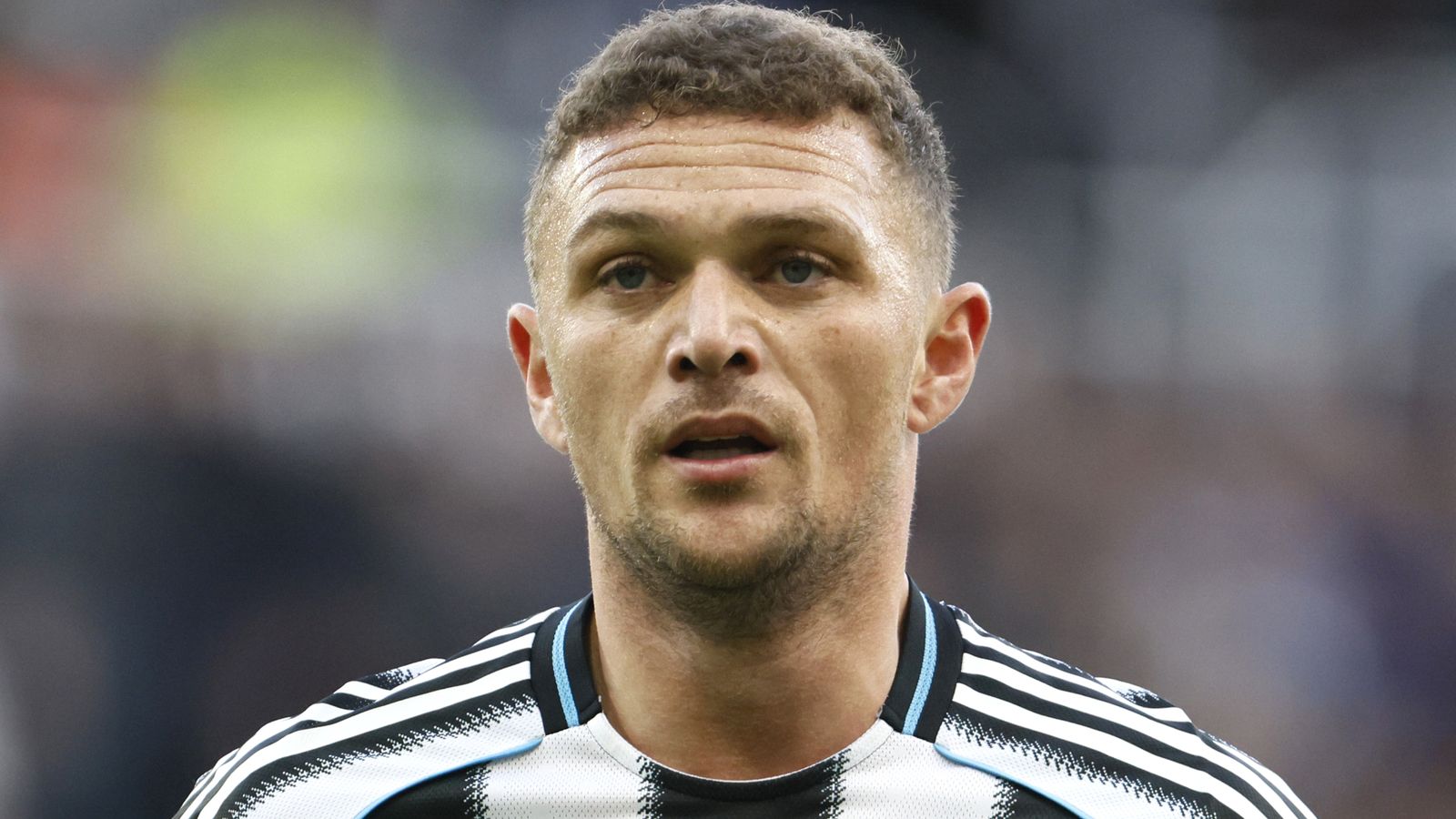
Kieran Trippier is the exact veteran Wolves need right now
4 hours ago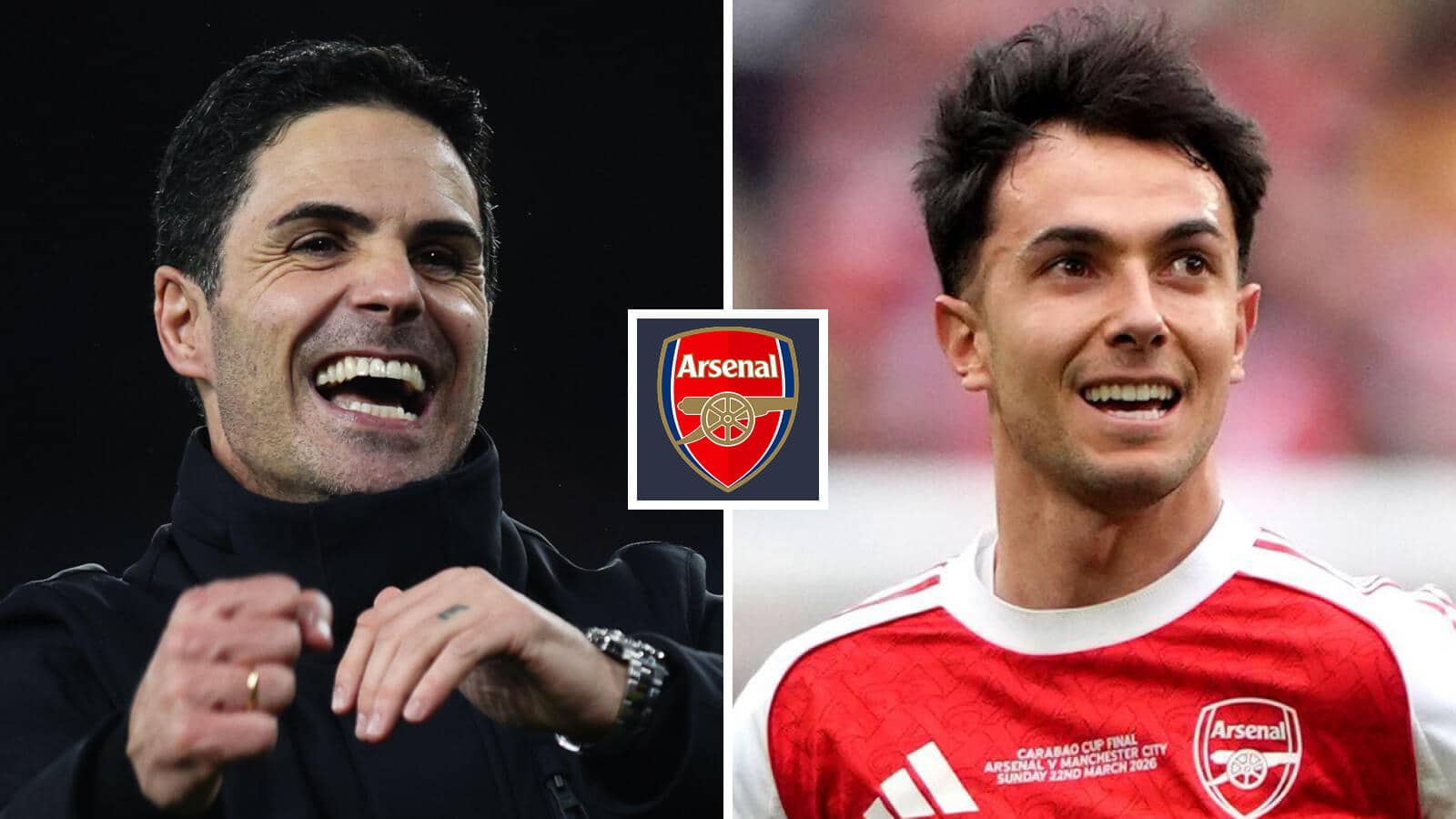
Adam Wharton emerges as top summer target for Arsenal's midfield evolution
4 hours ago
Manchester United’s Summer Obsession: Why Inconsistency Defines the Strategy
4 hours ago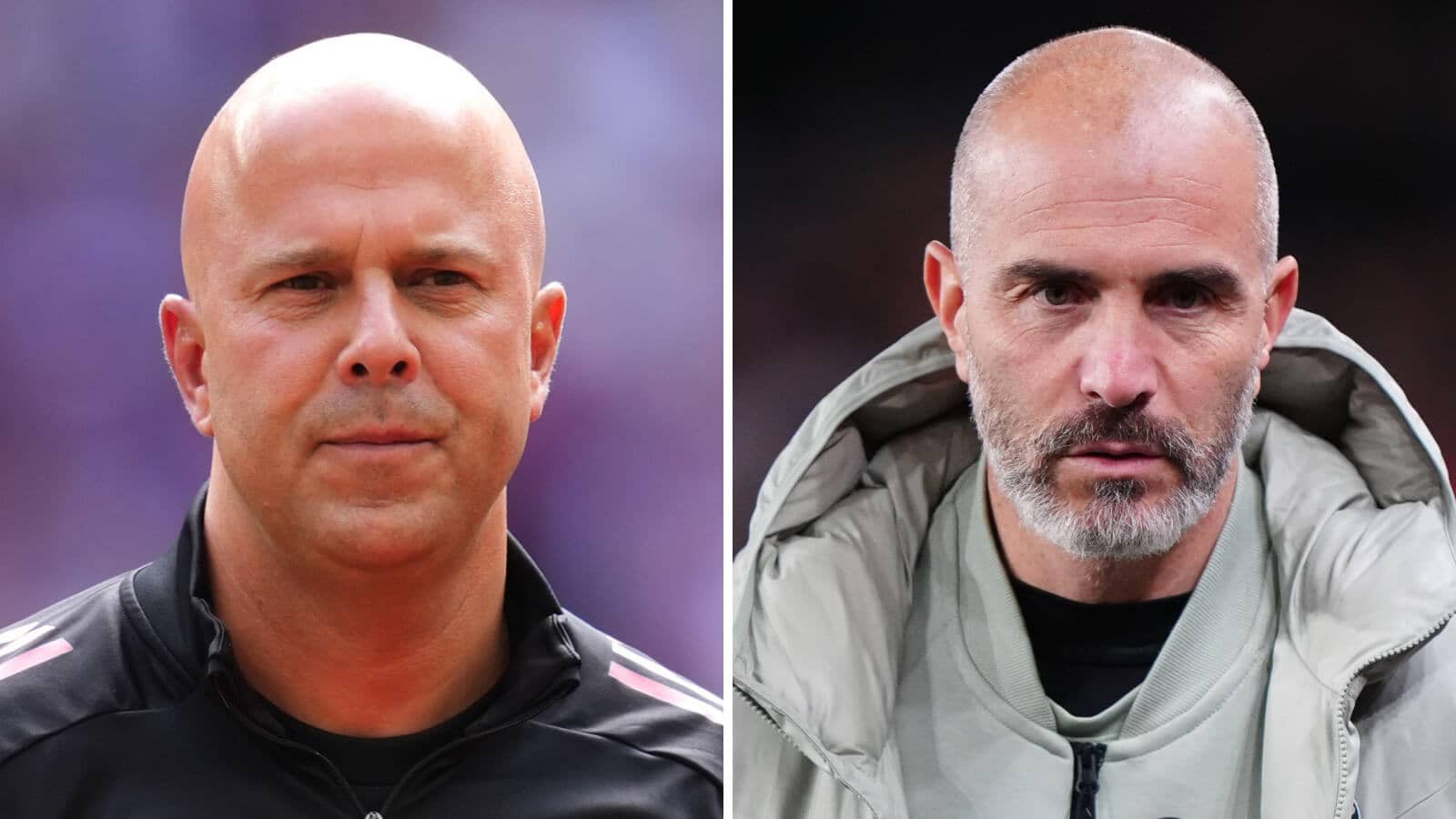
Liverpool chasing Yan Diomande in high-stakes €150m transfer scramble
4 hours agoMore Analysis
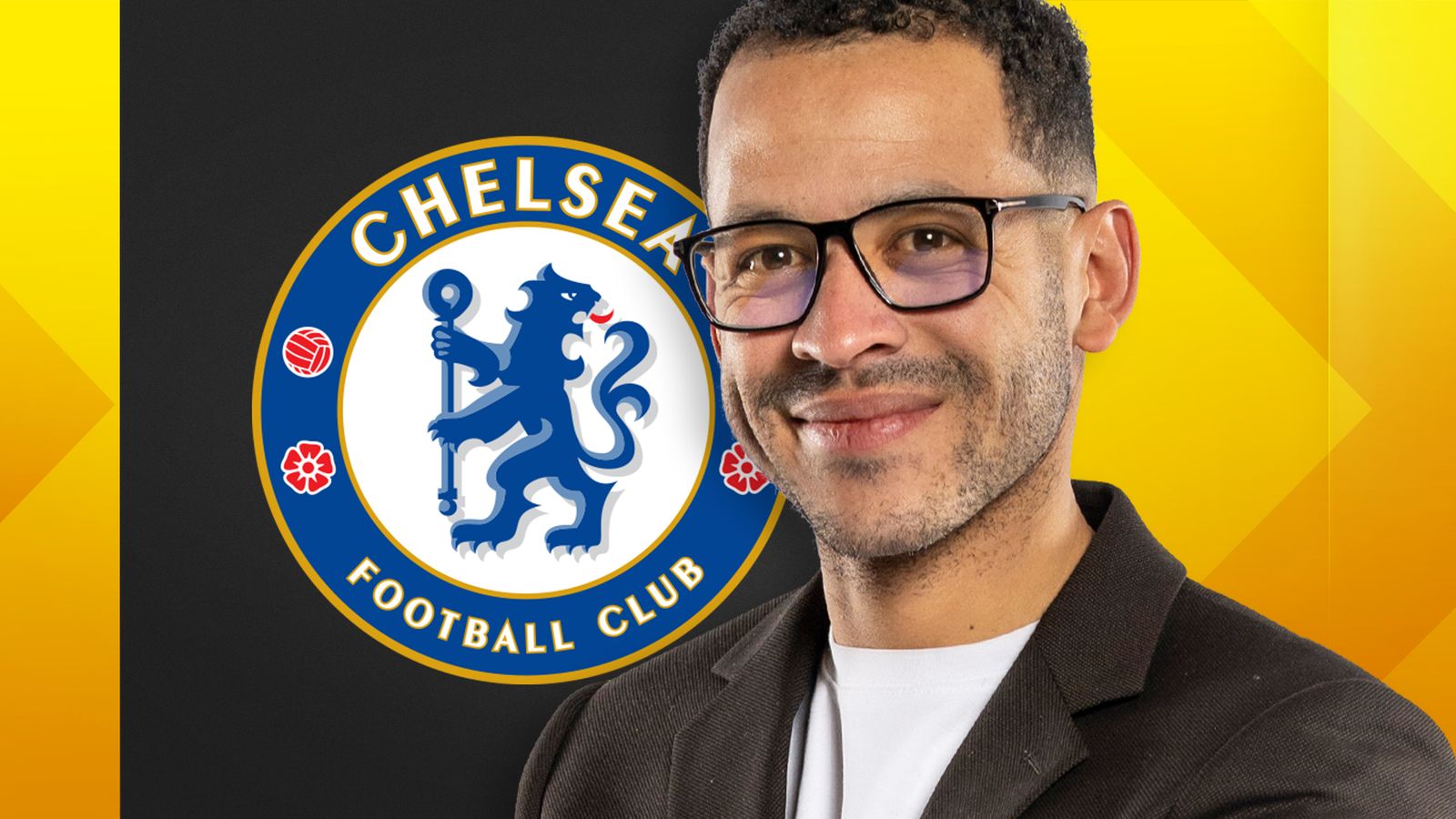
Liam Rosenior is trading tactical purity for survival at Stamford Bridge
1 month, 2 weeks ago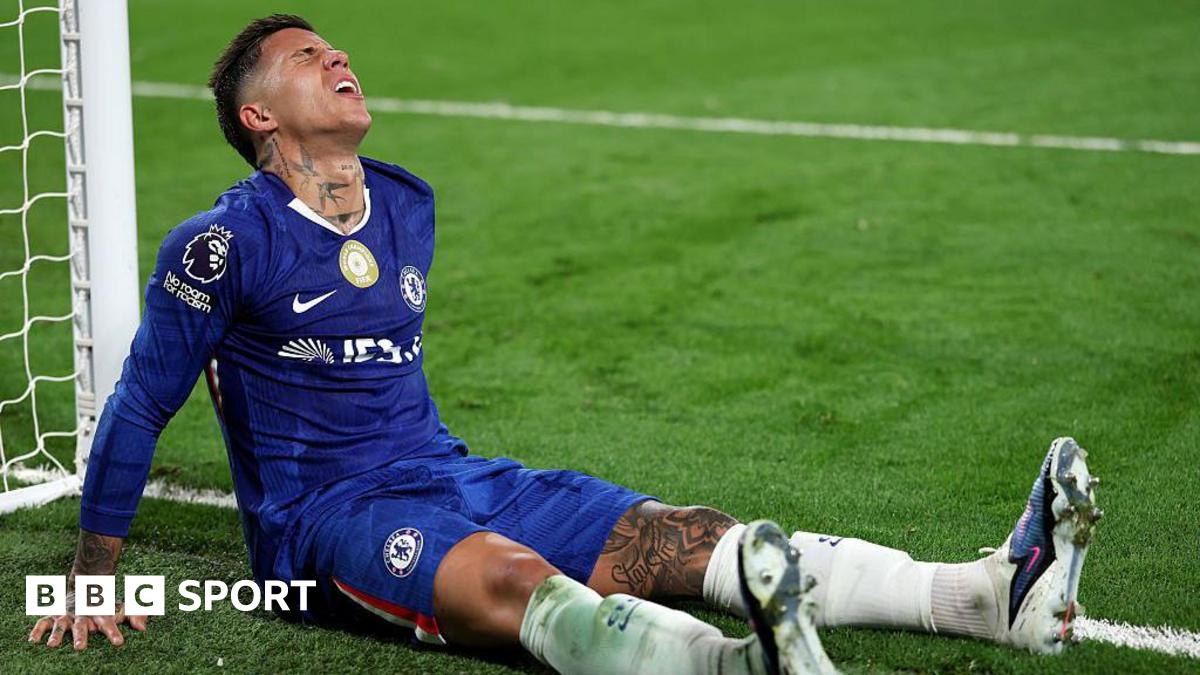
Liam Rosenior is watching Chelsea fall apart in real time
1 month, 1 week ago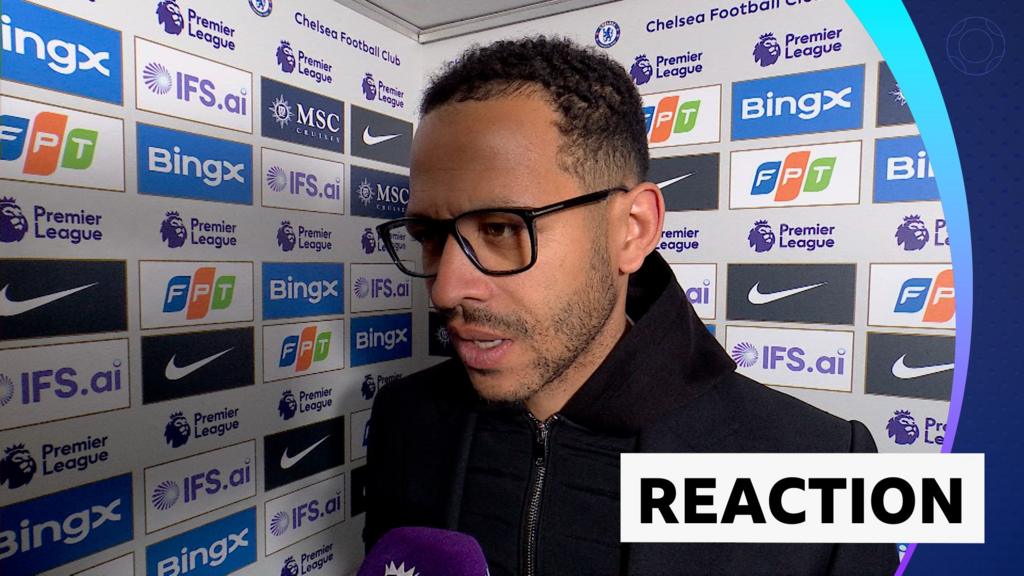
Liam Rosenior is staring at the abyss at Chelsea
1 month, 1 week ago
Liam Rosenior is dancing on the edge of the Chelsea abyss
1 month, 1 week ago
Liam Rosenior has eight games to fix Chelsea's broken midfield
2 months ago