The Human Element vs The Boardroom
Football is a ruthless business, but occasionally, it remembers its humanity. Yesterday, the BBC reported that Huddersfield Town manager Liam Manning has been granted compassionate leave for the remainder of the season. The club stepped back. They looked at the human being on the touchline and prioritized his well-being over the relentless grind of the Championship. The Mirror confirmed the news shortly after, noting the swift and unified support from the Huddersfield hierarchy. It was a rare moment of perspective in a sport that usually demands absolute obsession.
But travel south to West London, and you will find the more familiar face of modern football. At Stamford Bridge, perspective does not exist. There is only the project, the investment, and the immediate return.
The Tactical Failure
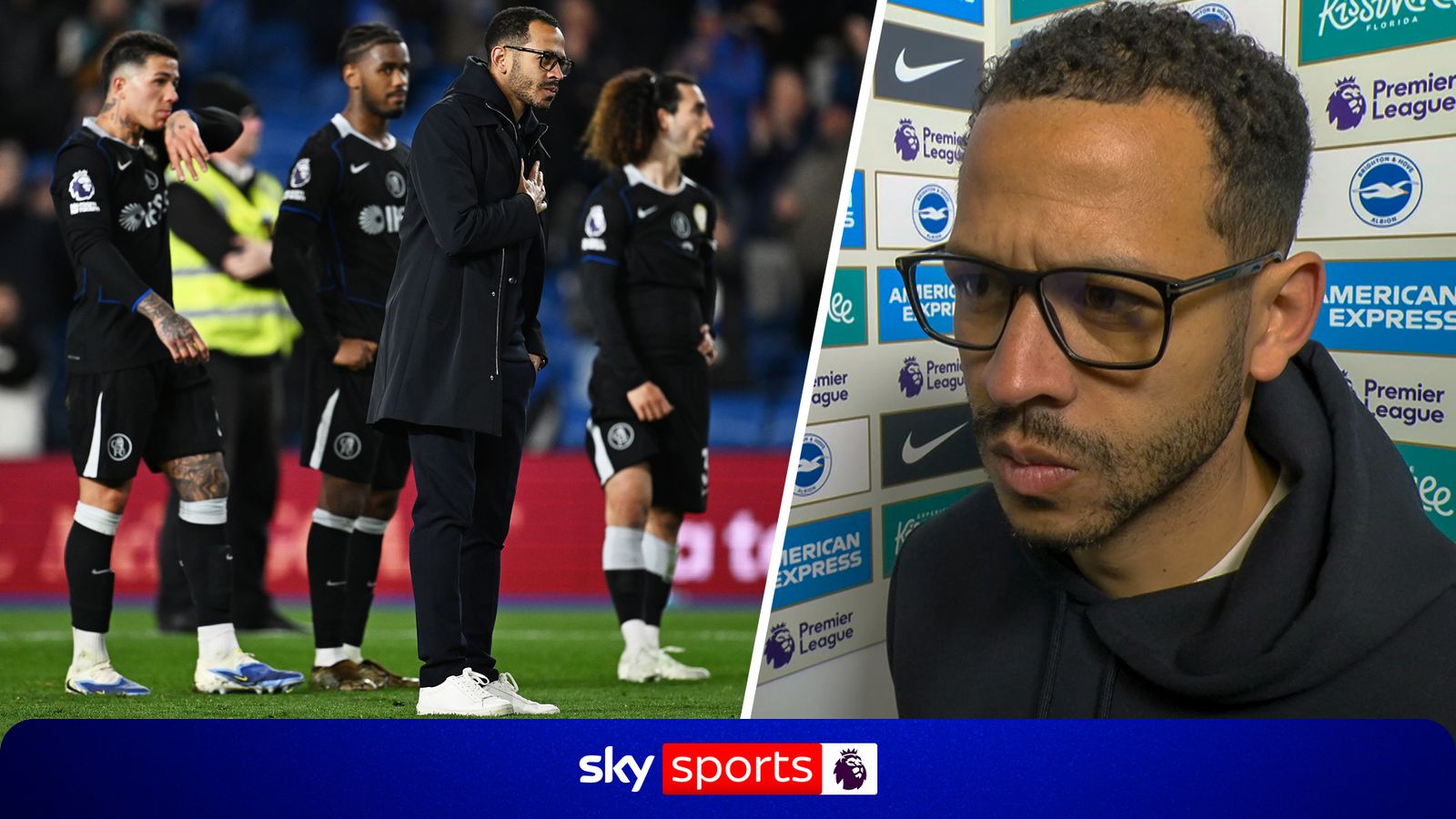
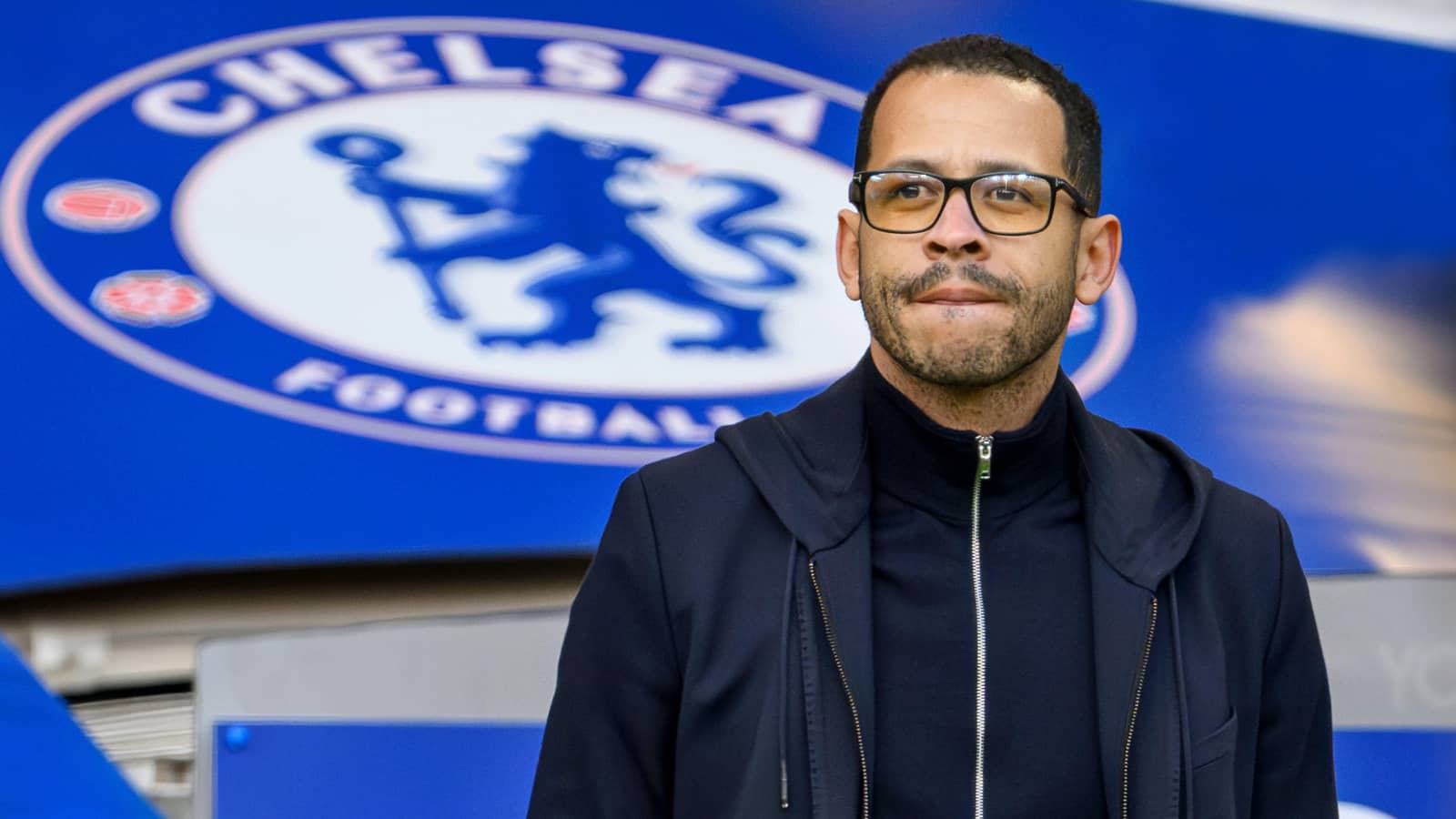
Liam Rosenior is currently feeling the full weight of that reality. The honeymoon period is entirely over. According to a grim assessment from FourFourTwo, Rosenior is in imminent danger. He has exactly eight games left to save his job.
Eight matches to rescue a season that is slipping through his fingers. Eight matches to convince an ownership group that treats managers like disposable razor blades that he is actually the long-term solution. As the FourFourTwo piece pointed out, Chelsea have either learned from their past mistakes, or they are preparing to repeat them. Given their track record, betting on the latter is usually the safest play.
So how did we get here? How did a bright, progressive coach like Rosenior end up staring down the barrel so quickly?
The answer lies on the pitch. It is a tactical failure. Pure and simple.
The team news heading into this weekend offers little comfort. With Reece James battling familiar fitness issues, Malo Gusto is being run into the ground. Their form guide over the last month is a mess of uninspiring draws and disjointed defeats.
When Rosenior arrived, the mandate was clear. He was supposed to implement a dominant, possession-based style. He was supposed to turn Chelsea's chaotic collection of expensive individuals into a cohesive, suffocating unit. Instead, he has built a team that is entirely sterile in possession and agonizingly fragile in transition.
The root of the problem is in the midfield. You cannot spend over £220 million on Moises Caicedo and Enzo Fernandez and make them look this ordinary. It takes serious tactical stubbornness to achieve that.
Rosenior insists on a double pivot that drops far too deep during the first phase of build-up. When Levi Colwill or Wesley Fofana have the ball, Enzo and Caicedo are practically standing on their toes.
Isolated Attacks and Broken Spacing
This creates a massive structural problem. By dropping so deep, the pivot vacates the center of the pitch. The distance between the holding midfielders and the attacking band stretches to thirty or forty yards. They are effectively playing in two separate time zones.
Opposing teams have figured this out. They do not even bother pressing Chelsea high up the pitch anymore. They just drop into a mid-block, pack the central channels, and watch Chelsea pass the ball harmlessly across the back four.
When Enzo does receive the ball, he looks up to find a wasteland. He is an elite progressive passer, but he needs targets. He needs players operating between the lines, making sharp, diagonal runs into the half-spaces.
Instead, he sees Cole Palmer dropping deeper and deeper out of pure frustration. Palmer is Chelsea's best creator, their most dangerous weapon. Yet under Rosenior's current structure, Palmer is frequently picking up the ball inside his own half.
When your primary playmaker is doing the job of a defensive midfielder just to get a touch, your system is broken.
This deep positioning has a devastating knock-on effect on the rest of the attack. Nicolas Jackson is constantly making runs. He is curving his sprints in behind the opposition center-backs, trying to stretch the play. But the ball rarely comes. The passing lanes are completely congested because the build-up is too slow.
By the time the ball reaches the final third, the opposition has already settled into a low block. Jackson is then forced to play with his back to goal, engaging in physical wrestling matches with center-halves. That is not his game.
The wide areas are equally dysfunctional. Noni Madueke and Mykhailo Mudryk are suffering. Mudryk, in particular, looks completely lost. His greatest asset is his explosive pace. He needs the ball played into space so he can run onto it in stride.
Under Rosenior, Mudryk is receiving the ball to his feet, tightly marked against the touchline. He is being asked to play like a traditional wide playmaker, holding onto the ball and waiting for overlaps. But Mudryk is not a controller. He is a transition weapon. Forcing him to play slow, methodical possession football is like buying a sports car and never leaving first gear.
Defensive Collapse in Transition
Malo Gusto is trying his best to provide overlapping width on the right, but the timing is consistently off. The passing circuits are rigid. Every movement looks choreographed, but the players have forgotten the steps. There is no fluidity. No instinct.
But the attacking struggles are only half the story. The real disaster is what happens when Chelsea lose the ball.
Because they commit so many bodies forward in wide areas, their rest defence is shockingly bad. When an attack breaks down, the structure collapses completely.
Caicedo is being asked to cover an impossible amount of ground. Because Enzo pushes up slightly when the ball goes wide, Caicedo is left entirely alone in the center of the pitch. If the initial counter-press fails—and it fails frequently because the spacing is so poor—opponents are slicing right through the middle.
Caicedo is constantly caught in two minds. Should he jump aggressively to press the ball carrier, or should he drop to protect the exposed center-backs? He is hesitating, and in the Premier League, hesitation is fatal.
Teams are countering with terrifying ease. One quick vertical pass is usually enough to bypass Chelsea's entire midfield. Colwill is frequently left defending isolated 1v1 situations in massive amounts of space, desperately trying to backpedal while runners overload his blind side.
The Final Matches
It is a structural mess. And Rosenior has just eight matches to clean it up.
So, what does he do? How does he approach this defining run of fixtures?
He has to abandon his purist ideals. The slow, methodical build-up has to go. It is not working with this group of players.
First, he needs to change the midfield shape. The flat double pivot is killing them. He needs to push Enzo higher up the pitch, operating as a genuine number eight. Let Caicedo anchor the midfield alone, but drop a fullback inside to sit alongside him.
By inverting a fullback—perhaps asking Marc Cucurella to step into midfield rather than overlapping—Rosenior can create a solid 3-2 rest defence structure. This immediately solves two problems. It gives Caicedo the support he desperately needs in transition, and it frees Enzo from his deep-lying duties.
Second, he has to get Palmer closer to the penalty area. Stop asking him to dictate the tempo from deep. Let Enzo handle the ball progression. Palmer needs to be hovering around the edge of the box, ready to exploit the spaces that Jackson creates with his movement.
Finally, he needs to speed up the passing. The obsession with completing six hundred passes a game is entirely meaningless if none of them break lines. Chelsea need to take more risks. They need to play the early ball in behind for Mudryk. They need to force the issue.
These are not minor tweaks. They are fundamental shifts in philosophy. But Rosenior does not have the luxury of time. The clock is ticking loudly at Stamford Bridge.
"Chelsea have either learned from the error of their ways or are about to make the same mistakes again..."
The board will not care about his underlying numbers. They will not care about his vision for the future. They will only look at the results.
If he persists with this disconnected, rigid 4-2-3-1, he will be sacked before the end of May. The players already look confused. The crowd is growing increasingly toxic. The warning signs are flashing bright red.
My prediction? He will not survive. Managers rarely escape this kind of downward spiral at Chelsea. The tactical flaws are too deeply ingrained, and Rosenior has shown no inclination to compromise his principles.
He will stick to his guns. He will continue to demand slow, controlled possession. And he will ultimately pay for it with his job. The Chelsea machine demands immediate success, and right now, Rosenior is just another manager standing on the tracks, waiting for the train to hit him.