The cost of dissent at Stamford Bridge
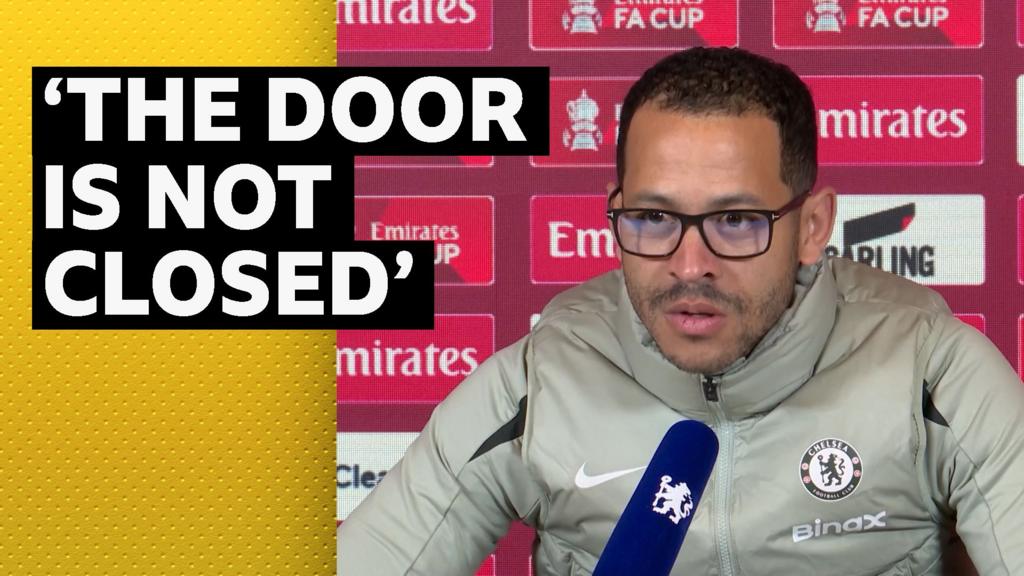
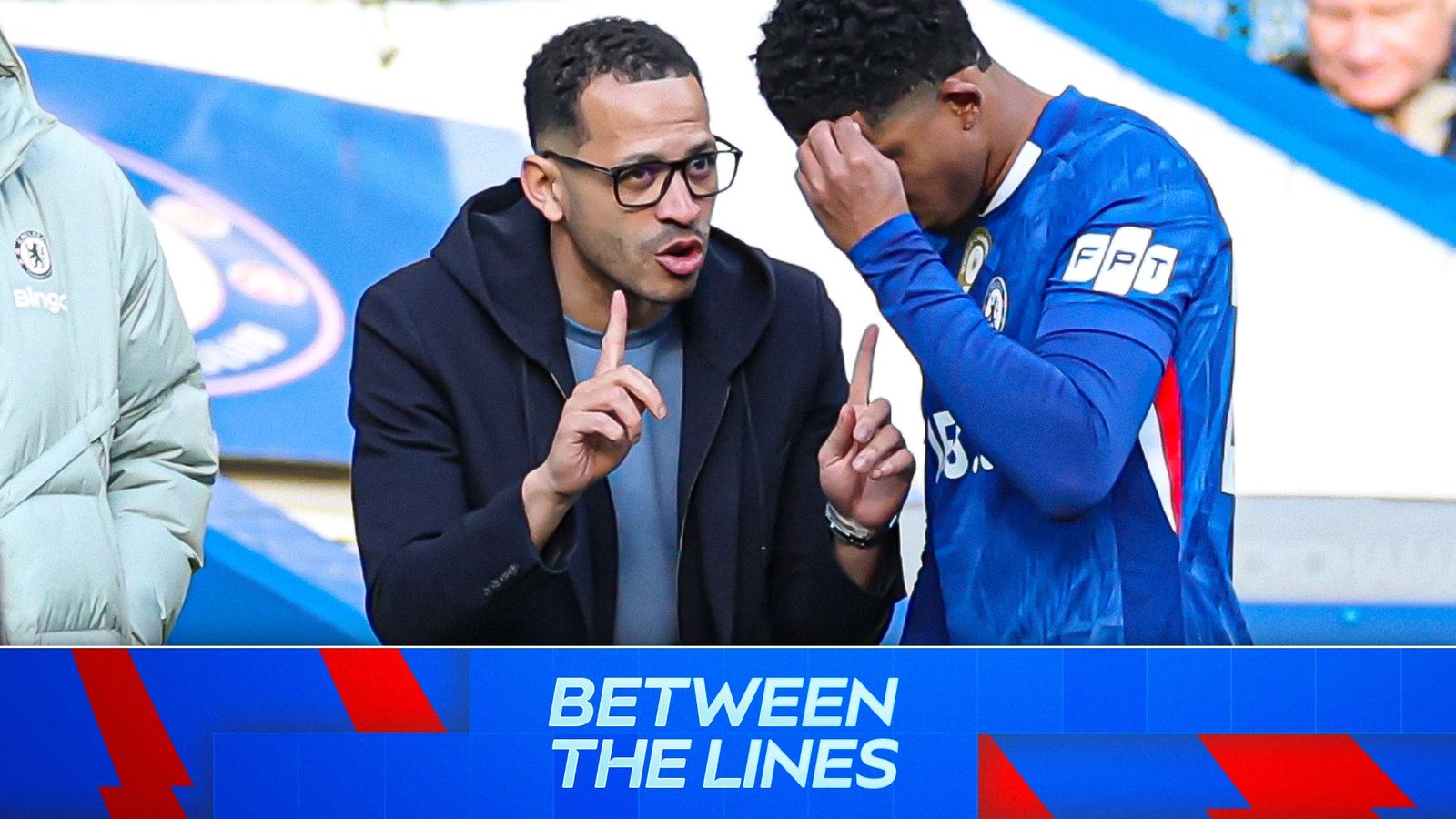
Chelsea’s decision to suspend Enzo Fernández represents more than a disciplinary measure; it is a tactical acknowledgment of a fractured internal culture. The midfielder, whose arrival was meant to anchor a long-term rebuild, now finds himself sidelined while Liam Rosenior navigates the most precarious stretch of his management tenure. According to Clinton Morrison’s column in FourFourTwo, the manager's willingness to bench such a high-profile asset is a gamble that may define his own career path at the club.
Statistical variance in the pivot
Data from the current campaign highlights the volatility Fernández introduced to the center of the pitch. While his pass completion rate remains high at 88%, his defensive output has regressed significantly compared to his early performances in London. In the last ten matches, the number of successful tackles per 90 minutes dropped to 1.2, down from a season average of 1.9. Opponents have identified this decline, specifically targeting the spaces vacated by Fernández during high-transition pressing sequences.
The fallout of administrative instability
The suspension arrives as Chelsea continues to wrestle with recurring squad harmony issues. As Jonathan Wilson writes for The Guardian, the club’s disciplinary stance functions as a reaction to a player exposing a fatal flaw in the overarching project. By highlighting the lack of cohesion, Fernández became a symbol of the very instability the board seeks to suppress.
Comparing the Premier League landscape
Across the league, other managers are managing similar friction with varying degrees of success. While Pep Guardiola at Manchester City remains focused on maintaining a win-rate that keeps them in contention, Chelsea’s tactical and interpersonal failures have left them adrift. The contrast is stark: City currently maintains a lead in key possession metrics, whereas Chelsea’s turnover rate in the defensive third has spiked by 14% since early February.
Real talk: Chelsea punished Enzo Fernández for exposing project’s fatal flaw.
The timing of this internal crisis could not be worse for Rosenior. With limited training sessions between fixture cycles, fixing the structural drift is unlikely before the next matchday. If the side fails to secure positive results in the upcoming three fixtures, the pressure on the coaching staff will become unsustainable. Relying on squad depth in the absence of a primary engine room operator is likely to result in a 22% drop in expected goal creation from central areas.
Ultimately, the saga suggests that the recruitment model—a collection of high-value individuals rather than a cohesive unit—has reached a breaking point. Without a defined identity on the pitch, Chelsea remains vulnerable to the tactical shifts observed across the league this spring. Whether the team can recover without their primary orchestrator remains the central question for the remainder of the 2026 campaign.