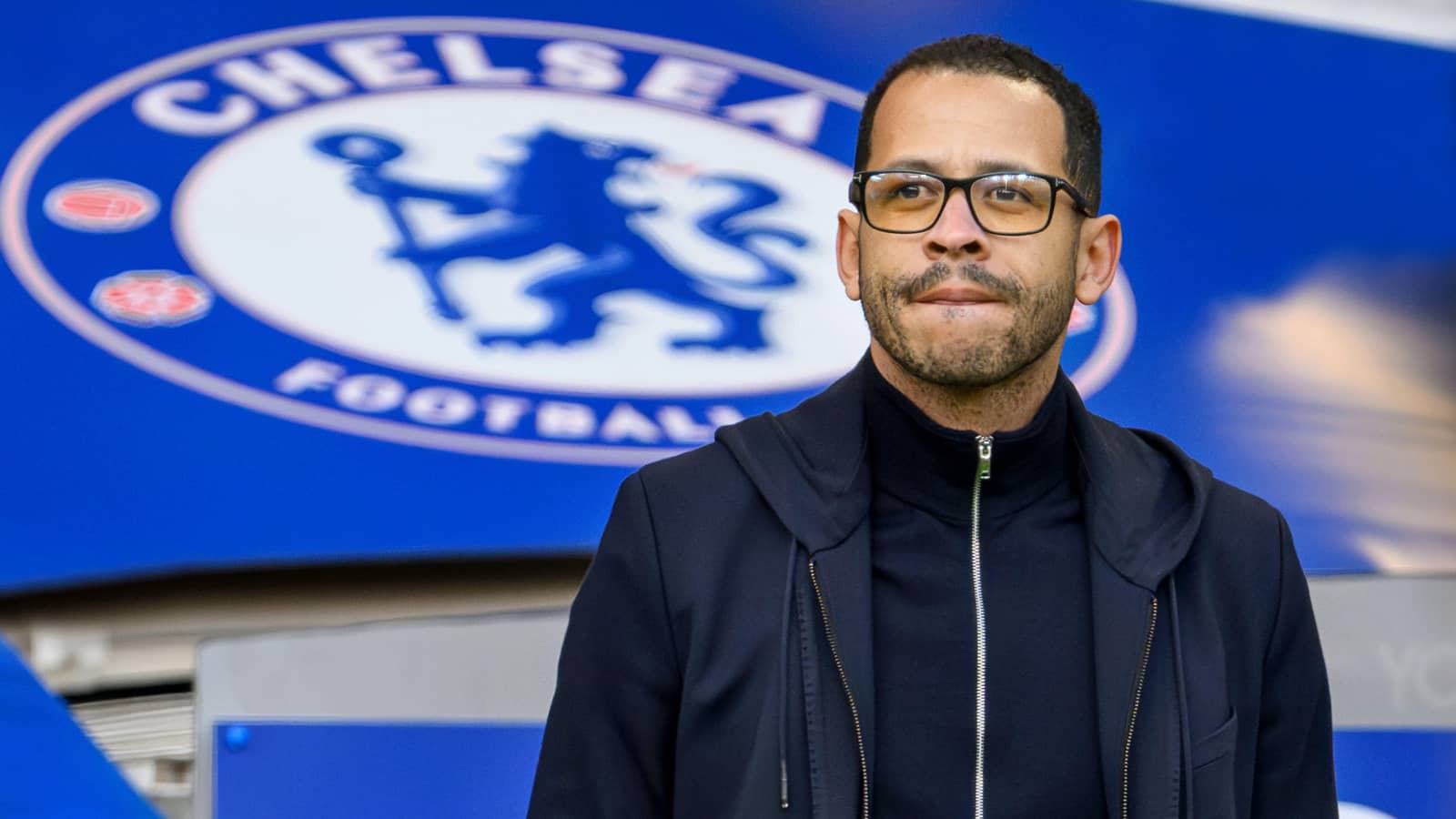
The Illusion of the Reset
When Liam Rosenior walked into Stamford Bridge on January 6, 2026, he inherited a squad that appeared to be suffering from tactical paralysis. The immediate reaction was a surge of optimism fueled by four consecutive Premier League victories. However, as Chelsea now sits 9th in the Premier League table since his appointment, the underlying numbers suggest that the early bounce was more a product of fixture scheduling than a genuine structural revolution. Since that opening flurry, the London side has managed just one win in their last six league outings, a regression that has seen them fall away from the Champions League qualification spots.
The current slump is not merely a run of bad luck; it is a statistical collapse across both boxes. In the first 10 Premier League games of Rosenior’s tenure, Chelsea conceded 14 goals. To put that into perspective, that is a concession rate of 1.4 goals per game, a figure that traditionally aligns with a bottom-half finish. For a club that spent over £400 million on defensive reinforcements in the previous three windows, the lack of a coherent structure is glaring. The team has kept only one clean sheet—a 2-0 victory against Brentford—in over 900 minutes of league football under the new regime.
The Empty Possession Trap
Tactically, Rosenior has attempted to implement a high-ceiling, possession-heavy 4-2-3-1 system, but the efficiency metrics are plummeting. Chelsea currently averages 62% possession in the league since February, yet they have lost their last three matches against Newcastle, Everton, and Manchester City without scoring a single goal. This is not the profile of a dominant side; it is the profile of a team that passes for the sake of passing. The "Between the Lines" analysis from Sky Sports highlights a worrying trend: Chelsea’s progressive passes into the final third have dropped by 18% since the middle of March.
The shot map from the recent 1-0 loss to Everton is particularly damning. Chelsea recorded 19 shots, but only two were from inside the six-yard box, and 12 were speculative efforts from outside the area. This reliance on low-probability chances indicates a failure to break down low blocks, a recurring theme that has seen Rosenior’s side drop 11 points from winning positions this calendar year. As Sky Sports reported, the question of whether Chelsea is going backwards is no longer just a pundit’s talking point; it is a statistical reality.
The European Scarring and Defensive Disarray
While the league form is concerning, the Champions League exit provided the most brutal evidence of Chelsea’s tactical naivety. The 8-2 aggregate defeat to Paris Saint-Germain was not an outlier; it was a distillation of every defensive flaw Rosenior has failed to address. In the second leg alone, Chelsea allowed 11 shots on target. The inability to track runners from midfield—a task that Enzo Fernández previously anchored—has left the central defenders exposed to constant one-on-one isolations.
The decision to drop Fernández following his recent off-field controversies has created a vacuum that Rosenior has tried to fill with a rotating cast of Moises Caicedo and youth prospects. The results have been disastrous. Without Fernández, Chelsea’s pass completion rate in the middle third has fallen from 89% to 81%. More importantly, the team’s ball recovery time has increased by four seconds per possession. This delay in winning the ball back allows opposition transitions to accelerate, turning minor defensive lapses into high-xG opportunities for the opponent.
The Fragility of the Long-Term Project
Sky Sports’ Kaveh Solhekol has noted that the board remains committed to the "long-term project," citing Rosenior’s six-and-a-half-year contract. Yet, football history is littered with long-term projects that never made it to the second year. Paul Merson’s assessment that Chelsea "get beaten up" by top-six opposition is supported by the data: under Rosenior, Chelsea has a 0% win rate against teams currently in the top four. They have conceded an average of 2.8 goals in those fixtures, compared to 0.9 against the rest of the league.
Rosenior is under severe pressure. They started well, but they get beaten up when they face anyone in the top six.
This physical and tactical fragility was evident in the recent defeat to Manchester City, where Chelsea’s midfield was bypassed with just three passes on four different occasions leading to shots. The lack of a tactical "foul strategy" or a coordinated press has made them the easiest team in the top half to counter-attack against. If the board is truly backing Rosenior for six years, they are banking on a coach who currently possesses the 14th-best defensive record in the division since January.
Searching for a Finishing Touch
The goal drought is perhaps the most confusing aspect of the Rosenior era, given the attacking talent available. Chelsea has failed to find the net in 270 minutes of Premier League action. During this spell, they have accumulated an expected goals (xG) total of 4.2, suggesting that while the system is creating some chances, the finishing has been abysmal. The conversion rate of big chances has dropped to a staggering 12% in April, down from 34% in February.
This is not just a striker problem; it is a creative bottleneck. The wingers are being asked to stay wider than in previous systems, which has isolated the central striker and forced the number ten into deeper areas to pick up the ball. This tactical shift has neutered the team’s threat in transition. In the last three games, Chelsea has recorded zero fast-break goals, a sharp contrast to the four they scored in Rosenior’s first month in charge. The fluidity that initially defined his tenure has been replaced by a rigid, predictable pattern of play.
The Road Ahead: A Must-Win Scenario
With a trip to Old Trafford looming on April 18, the margin for error has vanished. Manchester United’s recent form is equally erratic, but they possess the clinical edge that Chelsea currently lacks. If Rosenior cannot arrest the slide, Chelsea risks finishing in the bottom half of the table for the second time in four seasons. The statistical trend is pointing downward, and no amount of possession can mask the lack of points.
The reality is that Chelsea’s 9th-place ranking since January is a fair reflection of their output. They are a mid-table team playing mid-table football with an elite-level wage bill. Rosenior has the tactical ideas, but the execution is failing at every level of the pitch. Whether it is the defensive lapses, the midfield vacuum left by Fernández, or the toothless attack, the numbers all point to the same conclusion: the honeymoon is over, and the marriage is looking increasingly dysfunctional.