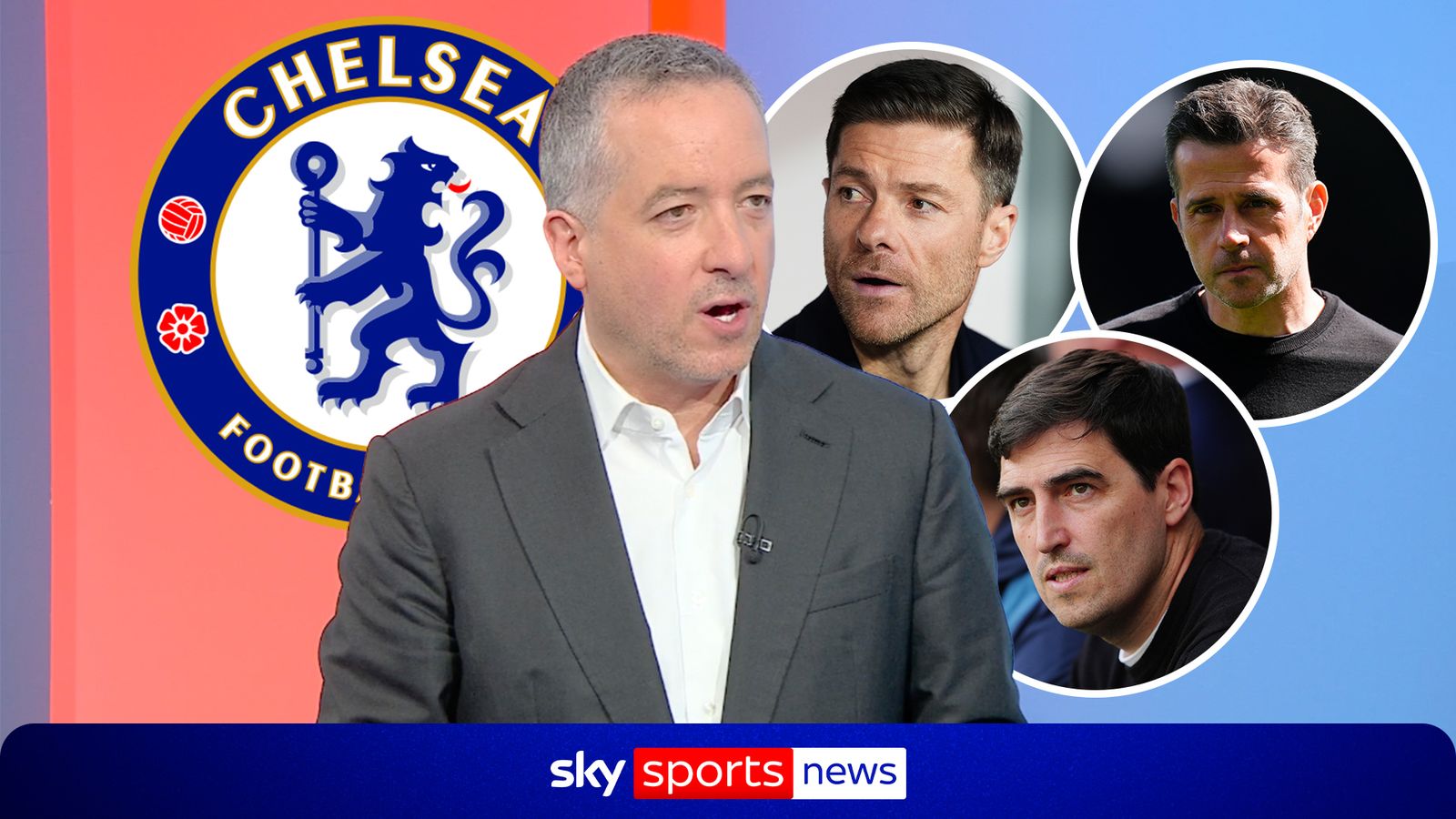
Tactical drift at Stamford Bridge
Chelsea finds itself in a precarious position as the 2026 spring season reaches its climax. The club’s tactical identity has been erratic, a reality underscored by recent performances where defensive transitions failed to mitigate counter-attacking threats. William Gallas has publicly weighed in on the instability, advising the board against pursuing Cesc Fabregas for the managerial role, even as the speculation intensifies.
The data suggests that Chelsea’s current issues are not merely personnel-based but structural. In their recent Women’s Champions League quarter-final outing, the tension of the fixture was reflected in a high foul count and a late administrative escalation regarding Sonia Bompastor’s dismissal, as reported by Sky Sports. When a team records more disciplinary infractions than high-value shot attempts in a knockout leg, it indicates a breakdown in discipline and positional discipline.
The Gallas critique on Arsenal
Gallas, who spent significant time in North London, maintains a skeptical outlook on his former club's silverware prospects for this term. His assessment is grounded in the reality of the league table and the squad's output during high-pressure fixtures. Gallas predicts a solitary trophy for Arsenal, marking a stark decline in the 82% pass completion rate they boasted throughout the mid-season period.
Modern analysis shows that title-winning sides typically maintain an xG differential exceeding +1.2 per match. Arsenal’s recent regressions in the final third have seen that number drop to +0.7 over their last six games. This drop-off is not an anomaly; it is a trend of declining creative output that correlates with heavy reliance on a narrow set of starters.
The danger of nostalgia
Assigning a manager based on club history—the Fabregas argument—ignores the evolution of modern pressing triggers. The current tactical standard in the Premier League requires a team to recover the ball within 5.5 seconds of losing possession to avoid becoming vulnerable in the half-space. Chelsea’s current average sits at 8.2 seconds, an inefficiency that has cost them a minimum of 14 points across the campaign according to defensive transition metrics.
Gallas advocating for a different path is not just a personal opinion; it is a recognition that the club requires a technician capable of fixing the structural spacing. The obsession with former icons often obscures the cold reality of xGA stats climbing as defensive lines are asked to sit too high without proper ball-winning support. If the board prioritizes image over these metrics, they are setting up for another season of mid-table uncertainty.
Ultimately, the numbers demonstrate clear bottlenecks. Arsenal’s lack of a clinical finisher to convert chances in the 75th to 90th minute window remains their greatest tactical liability. If they cannot resolve the shot conversion percentage—currently stagnant at 9.4%—their chances of securing a major trophy are slim. Football is decided by the margins between these statistics, not the name on the back of a manager's tracksuit.