The Stamford Bridge pressure cooker is reaching a boiling point
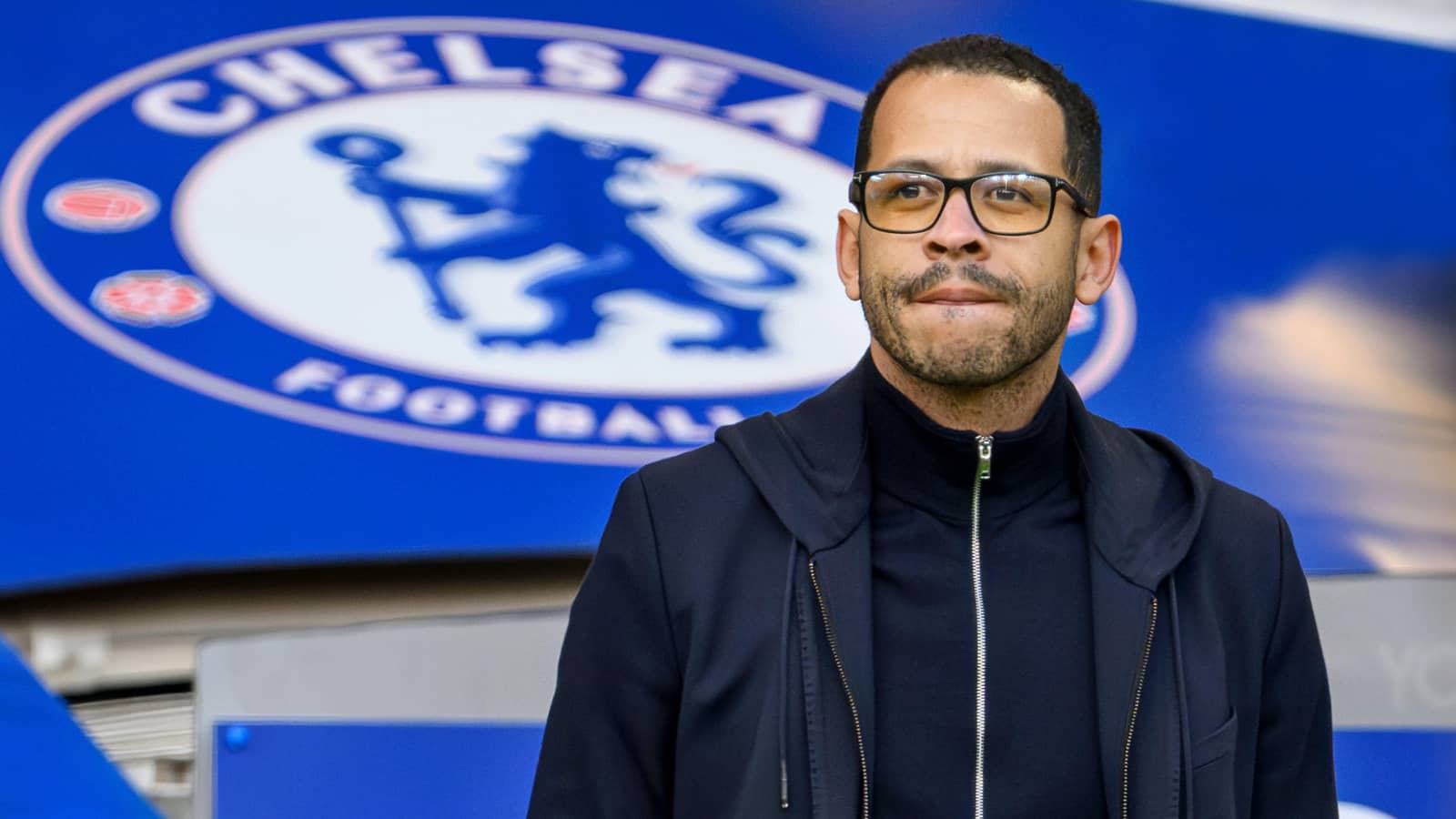
It has been a chaotic month for Chelsea, and the narrative surrounding Liam Rosenior’s tenure has shifted from 'project manager' to 'survivalist.' With reports circulating that the BlueCo ownership group has already compiled a shortlist of four potential successors, the margin for error has evaporated. While Rosenior has successfully navigated the internal drama regarding the team-news mole and publicly smoothed over the friction with Enzo Fernández, the underlying metrics suggest that the club’s problems are far deeper than just locker room cohesion.
Data-driven reality check: Why the numbers don't lie
Looking at the underlying data, Chelsea’s struggles are rooted in a significant disconnect between their expected goals (xG) and their actual output. Over the last six matches, Chelsea has underperformed their xG by 3.2 goals, a statistic that highlights a chronic lack of clinical finishing. Furthermore, the defensive structure remains porous; the team is conceding high-quality chances at a rate that ranks in the bottom third of the Premier League. When you look at the defensive transition metrics, Chelsea is allowing opponents to progress the ball into their final third with alarming ease, often leaving their backline exposed.
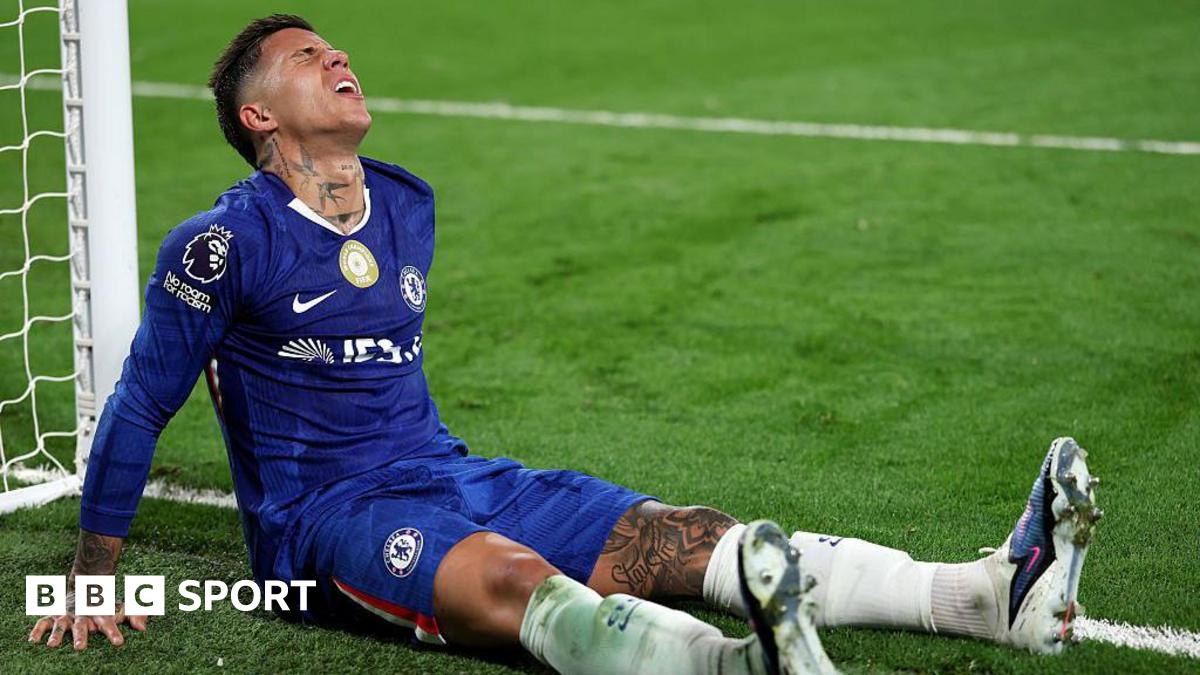
The recent controversy regarding the leaked team news ahead of the Paris Saint-Germain clash was a symptom of a fractured environment. While Rosenior has claimed the issue is resolved, the lack of discipline off the pitch often mirrors a lack of tactical discipline on it. Enzo Fernández’s public comments about his future—which the manager has worked hard to walk back—suggest that the squad’s buy-in to the current system is not universal. When players start looking toward the exit, the tactical instructions from the touchline often fall on deaf ears.
The road ahead: Can Rosenior survive the gauntlet?
The upcoming run of fixtures is brutal. Chelsea faces a resurgent mid-table side this weekend, followed by a high-stakes Champions League return leg. If the team fails to secure a convincing victory in the domestic tie, the board’s patience—which has already been tested by the aforementioned 'four-manager list'—will likely snap. The historical data for managers under the BlueCo ownership model is unforgiving; once the search for a replacement begins, the incumbent rarely survives the month.
Statistically, Chelsea’s win probability in their next three games sits at a modest 42%. The defensive fragility, combined with the psychological toll of the recent leaks and internal friction, makes them a difficult team to back with confidence. While the individual talent in the squad is undeniable, the collective output remains disjointed. Unless Rosenior can implement a more conservative, defensively sound structure that prioritizes clean sheets over the current high-risk, high-reward approach, the probability of him being relieved of his duties before the international break is high.
Final Verdict
The situation at Chelsea is a classic case of a team needing a reset. While the players are 'fully committed' in the eyes of their manager, the pitch tells a different story. Expect a tense, low-scoring affair in their next outing, where Chelsea will likely rely on individual brilliance rather than tactical superiority to grind out a result. If they drop points, the inevitable managerial change will likely follow within 72 hours.