The long road back for Chris Wood
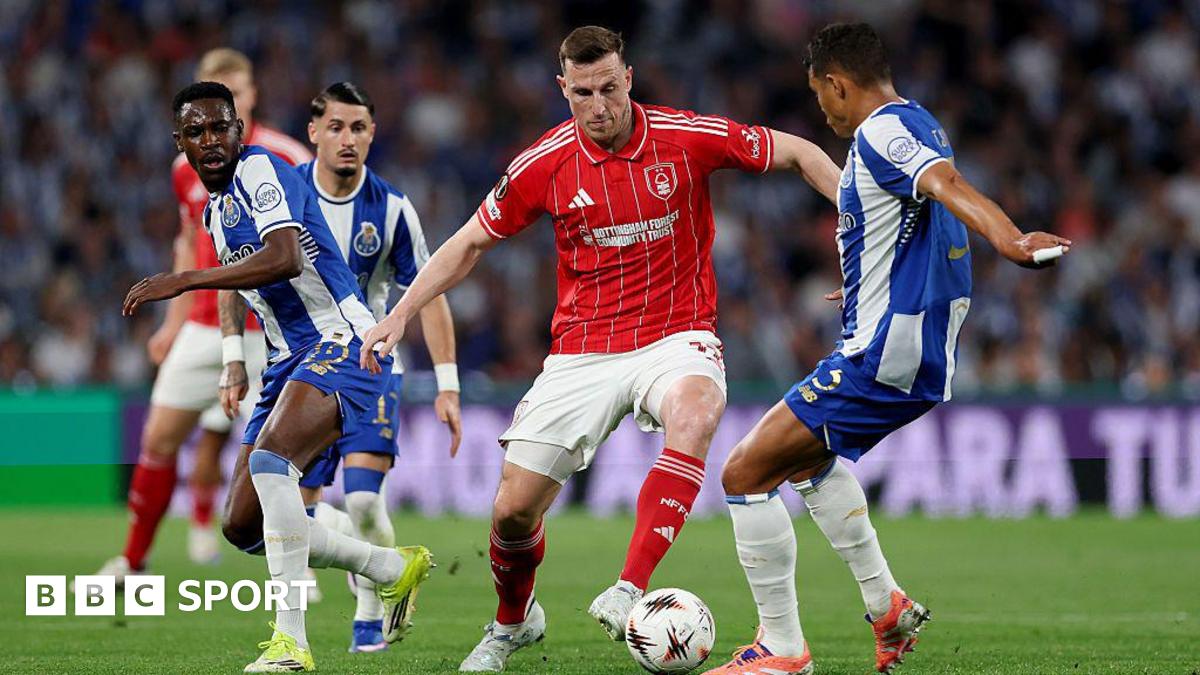
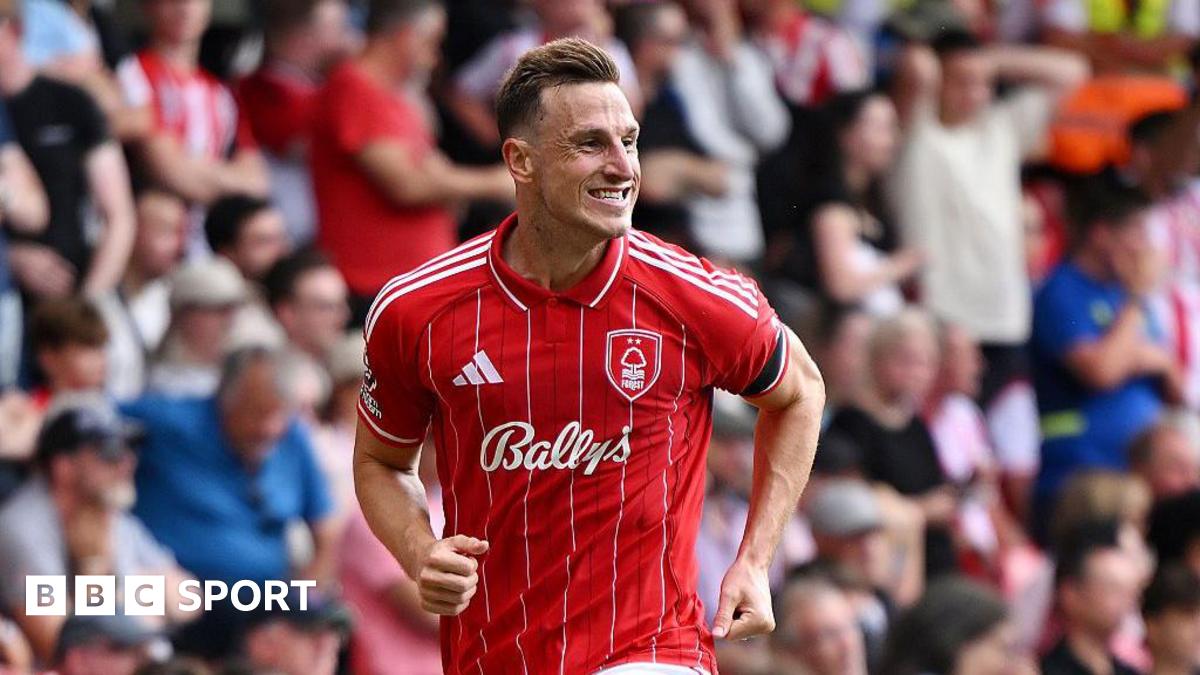
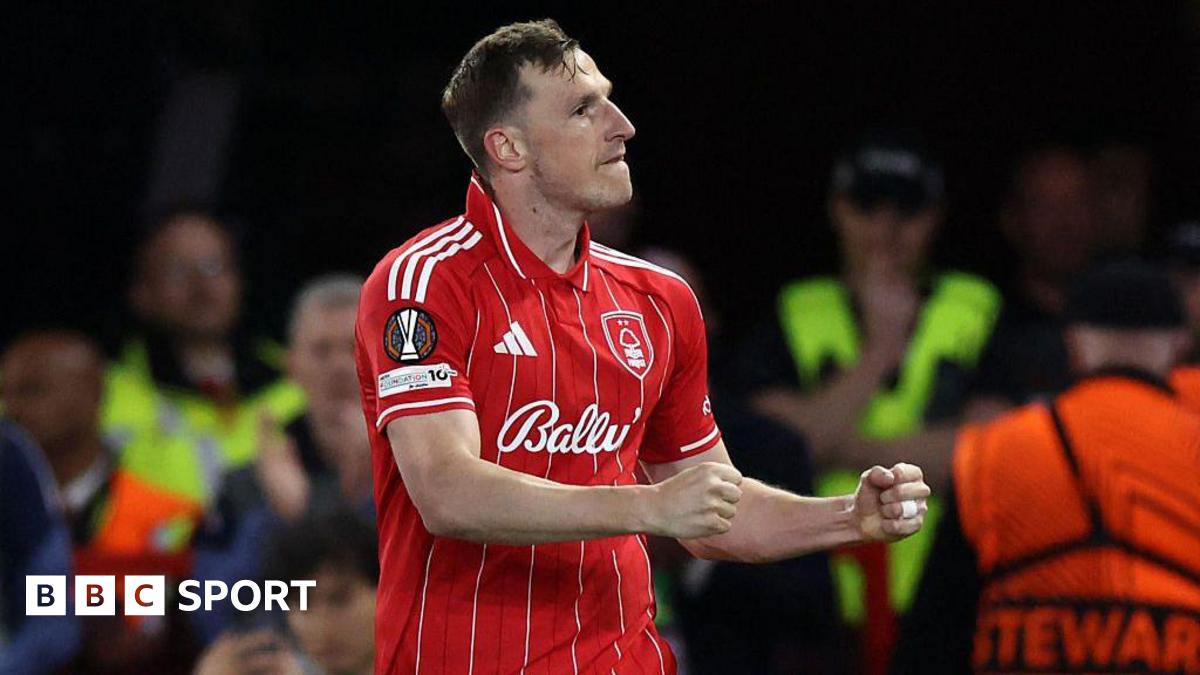
Chris Wood is back. After a grueling recovery from a knee injury that threatened to derail his late-career resurgence, the Nottingham Forest striker has finally rejoined the first-team fold. The relief at the City Ground is obvious, but the cost of his absence has been heavy during a period where goals dried up entirely.
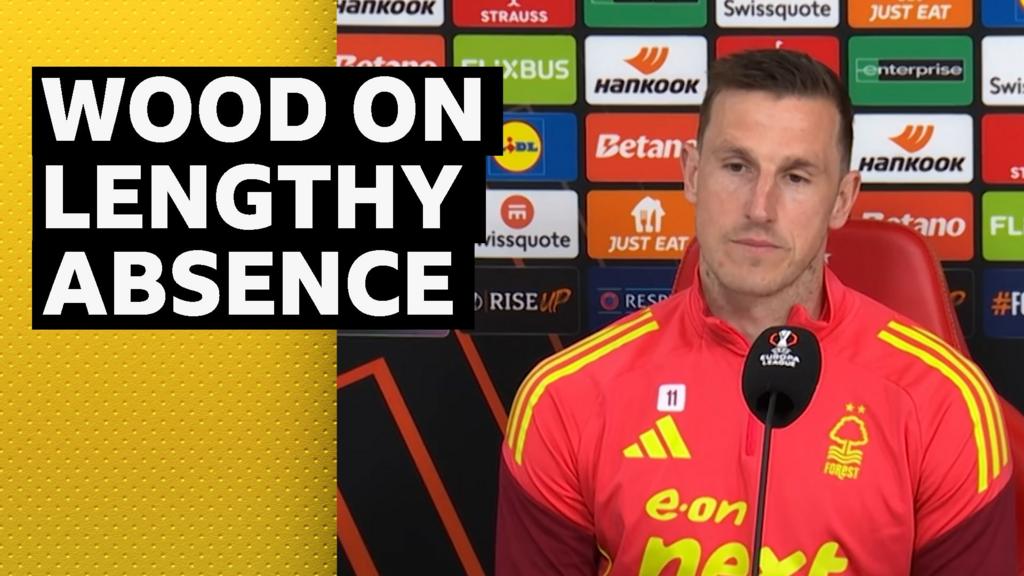
Wood recently admitted to the BBC that there were moments where he felt there was "no light at the end of the tunnel." That kind of honesty is rare in a modern game filled with PR-scrubbed injury updates. It suggests a recovery plagued by setbacks, inflammation, and the psychological isolation that hits veteran players hardest when they are stuck in the gym.
For a 34-year-old striker, a significant knee injury is rarely just a physical hurdle. It is a career-defining crossroads. Wood has been the primary focal point for Forest, and his return comes just as the pressure of the relegation battle reaches a boiling point in mid-April. He isn't just a body in the box; he is the only player in this squad who knows how to occupy two center-backs at once.
The mental burden of the treatment room
Rehab is a repetitive, lonely cycle of resistance bands and low-impact pool work. When Wood talks about the lack of light, he is referring to the plateau phase of knee recovery. This is where the swelling persists despite rest, and the player begins to wonder if their top-flight career has already ended in a nondescript training ground collision.
The medical staff at Forest have been forced to manage this return with extreme caution. Older strikers with Wood’s 6'3" frame put immense torque on their joints during lateral movements and aerial contests. One premature jump or a clumsy landing could trigger a secondary injury, which is often more devastating than the initial blow.
"no light at the end of the tunnel"
Forest have lacked a Plan B throughout this stretch. Without Wood, the attacking output plummeted, forcing the wingers to take lower-probability shots from distance. The statistics show a team that struggled to maintain possession in the final third without a target man to win the initial long ball and bring others into play.
Tactical gravity and the target man vacuum
Wood provides what coaches call tactical gravity. Even when he isn't scoring, his presence forces defenders to stay deep, which opens up the half-spaces for the likes of Callum Hudson-Odoi and Anthony Elanga. Without him, opponents felt comfortable pushing their defensive line ten yards higher, squeezing the space that Forest’s faster players need to thrive.
The absence of a secondary physical striker has been a glaring oversight by the recruitment department. Forest spent heavily in previous windows but failed to secure a younger, durable alternative to Wood. This left the team entirely dependent on a veteran whose availability was always going to be a gamble given his age and career mileage.
During this four-month absence, Forest managed a meager goal-per-game average that would see most clubs relegated. They have been surviving on defensive grit and the occasional moment of individual brilliance. But grit doesn't win games in the Premier League; high-quality chances do, and Wood is the only one consistently getting into the six-yard box.
Historical context of veteran knee injuries
We have seen this script before with strikers like Alan Shearer and Zlatan Ibrahimovic. They had to reinvent their movements to protect their knees, trading explosive bursts for better positioning and smarter use of their bodies. Wood is in that same transition period where he can no longer rely on raw physicality to beat a defender to the ball.
The medical team likely used a data-driven approach to clear him for selection. This includes monitoring his force plate output and ensuring his quad strength has returned to pre-injury levels. However, the intensity of a Premier League match in April cannot be replicated in a controlled environment, making his first few appearances a massive risk.
If Wood suffers a setback now, Forest are effectively finished. They have pinned their entire survival strategy on a man who just spent months wondering if he’d ever play again. It is a staggering amount of pressure to place on a player who has barely had three full training sessions with the main group.
The danger of the late-season gamble
Bringing a player back for the final three points of a survival scrap is a classic desperate move. We saw it with Leeds United and Patrick Bamford in previous seasons, where a rushed return led to a cycle of recurring muscle tears. Forest are betting that Wood’s experience will allow him to manage his own body through the 90 minutes.
The medical reality is that his knee will likely require management long after this season ends. Post-match icing, limited training days, and specialized injections are the hidden reality for many veteran strikers. Wood is essentially playing on a borrowed timeline, and everyone at the club knows it, even if they won't say it publicly.
Critics will point out that Forest’s reliance on Wood highlights a lack of strategic depth. A club with their ambitions shouldn't be held hostage by the fitness of a single veteran. The failure to integrate a younger striker or develop a system that doesn't require a traditional number nine has left them in this vulnerable position.
Strategic implications for the summer window
Regardless of whether Forest stay up, this injury saga should be a wake-up call. The 15 million pounds spent on various fringe players over the last two years could have been consolidated into a top-tier young striker. Instead, the club is left crossing its fingers every time Chris Wood goes up for a header.
The broader impact on the squad’s morale cannot be overstated. Seeing your captain and primary goalscorer return provides a psychological lift, but it also creates a sense of false security. The rest of the team cannot afford to relax and assume Wood will solve all their clinical issues in front of goal.
There is also the contract situation to consider. Wood’s current deal reflects his status as a key starter, but his injury history now makes him a high-risk asset. Negotiations for any extension will be fraught with tension as the club tries to balance his on-field value against his increasing medical red flags.
A critical look at Forest’s medical management
While the return is a positive headline, we have to ask why it took this long. The "no light" comment suggests a recovery process that was far from smooth. Were there misdiagnoses early on, or did the player push too hard in the initial stages? Communication between the medical staff and the coaching team often breaks down under the pressure of a relegation fight.
Forest’s injury record this season has been among the worst in the division. This suggests either a training regime that is too high-intensity for the squad’s profile or a medical department that is struggling to keep pace. Wood is just the most high-profile victim of a trend that has seen several key players sidelined for extended periods.
In the end, Wood’s return is a short-term fix for a long-term structural problem. He will likely provide enough goals to keep them afloat, but the scars of this injury will remain. Forest are lucky he has the mental toughness to come back, but they shouldn't have put themselves in a position where his knee was the only thing standing between them and the Championship.
The upcoming fixtures will be the ultimate test. If Wood can navigate the next five games without his knee flaring up, the medical team will take the credit. But if he limps off in the first half against a physical side like Everton or Wolves, the decision to rush him back will be remembered as a catastrophic error in judgment.
Read Next