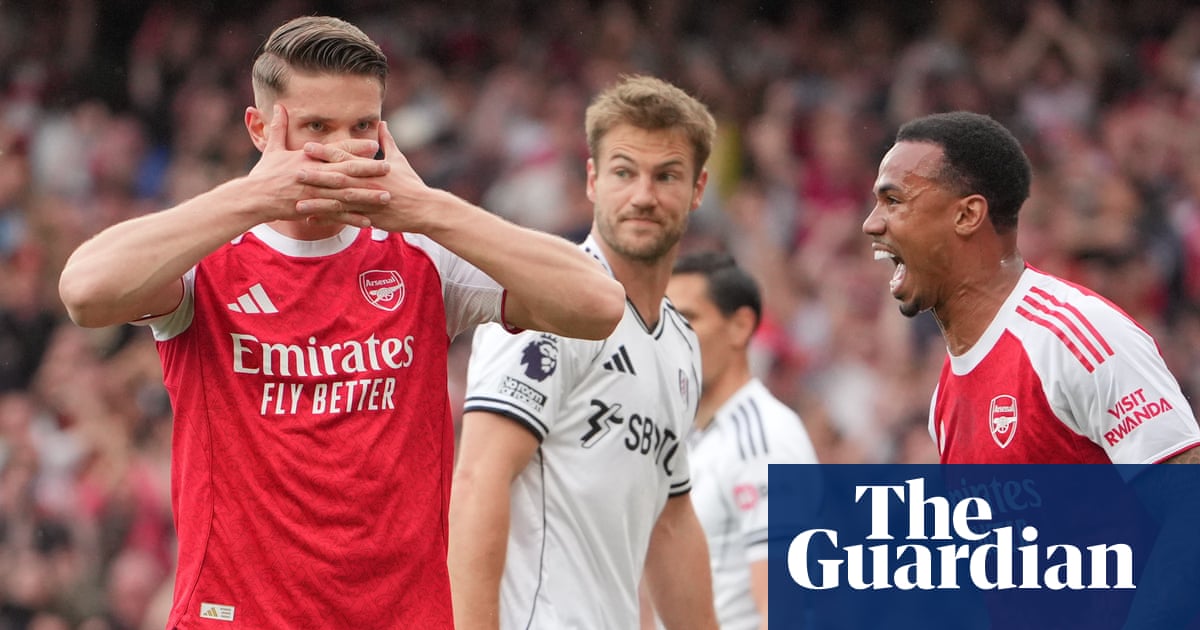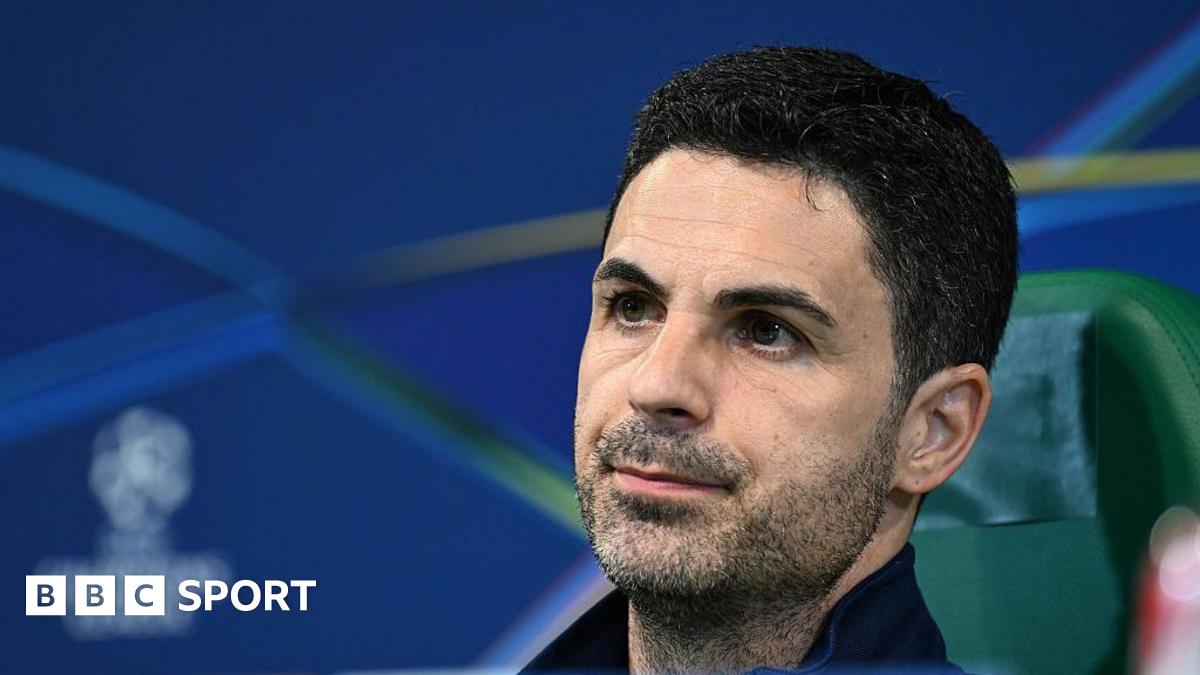
The Captain's Absence Confirmed
Arsenal supporters received the news they dreaded most on Wednesday morning. Martin Odegaard has finally broken his silence regarding the injury that kept him out of recent training sessions, confirming he will play no part in Thursday’s second-leg quarter-final clash. The Norwegian playmaker has been the heartbeat of Mikel Arteta’s tactical setup for three seasons, making this layoff particularly poorly timed as the club chases silverware on two fronts.
Reports from the training ground suggest the issue is a recurrence of the ankle ligament trouble that hampered his winter form. Odegaard explained that the discomfort became unbearable during a routine session on Tuesday, forcing him to undergo immediate scans. The results have not been shared in full, but the player’s own admission suggests a multi-week absence rather than a minor knock. This is a massive blow for a side that often looks directionless without their primary creator.
Arsenal’s medical team is currently managing what is described as a Grade 2 lateral ligament strain. This typically requires a period of total immobilization followed by intensive physiotherapy. For a player like Odegaard, who relies on sharp pivots and rapid changes of direction, rushing the return could lead to a chronic instability that ruins his 2026 World Cup prospects. The club is now caught between the desperation of a title race and the long-term health of their most valuable asset.
Tactical Fallout and the Arteta Dilemma
Mikel Arteta now faces a selection headache that could define his legacy at the Emirates. Without Odegaard, the right-sided triangle involving Bukayo Saka and Ben White loses its primary link. We have seen this movie before, and the ending is rarely pretty for the Gunners. In previous outings where the captain was missing, Arsenal’s pass completion in the final third dropped by nearly 12 percent, a stat that should worry every fan traveling to the stadium tomorrow.
The options to replace him are limited. Ethan Nwaneri is the fans' choice, but throwing a teenager into a high-stakes European knockout game is a gamble Arteta has historically avoided. More likely is a move for Kai Havertz into a deeper role, or a shift to a double-pivot that sacrifices the fluid attacking movement that has become Arsenal’s trademark. Neither solution feels adequate for a team that has struggled to break down low blocks in recent weeks.
The Medical Reality of Ankle Syndesmosis
Medical experts familiar with the club’s fitness protocols suggest that Odegaard’s injury is likely a high ankle sprain, often referred to as a syndesmosis injury. This is significantly more complex than a standard roll of the ankle. It involves the connective tissue between the tibia and fibula. When this is compromised, the stability of the entire lower leg is at risk. Recovery is not a linear process; it involves a frustrating cycle of light jogging followed by inevitable swelling.
History shows that players returning too early from syndesmosis issues often suffer from a loss of explosive power. Look at how similar injuries affected the late-season form of creative midfielders in the past. If Odegaard is rushed back for a potential semi-final in late April, he may find himself a passenger in the game’s most intense moments. The medical staff at London Colney are under immense pressure to deliver a miracle, but biology rarely respects a footballing calendar.
Broader Strategic Implications
This injury highlights a glaring flaw in Arsenal’s squad construction. While the club has spent heavily on defenders and versatile forwards, they have failed to secure a genuine alternative to Odegaard. The dependency on a single player to provide the creative spark is a high-wire act that has finally seen the performer fall. Competitors like Manchester City and Liverpool have built squads with redundant layers of creativity, a luxury Arsenal currently lacks.
The impact stretches beyond the pitch. From a commercial and fan-engagement perspective, Odegaard is the face of the modern Arsenal project. His absence from the upcoming European broadcasts will be felt by rights holders and sponsors alike. More importantly, it signals to Arsenal’s rivals that the North London giants are vulnerable. If you stop Saka and Rice, there is now nobody left in the middle to pick the lock.
The Critical Observation
There is a growing sense of frustration regarding how Arteta has handled Odegaard’s minutes since January. The captain has played nearly 95 percent of all available minutes, even in games that were functionally over by the hour mark. This lack of rotation is a stubborn trait of the current coaching staff. It is not bad luck when your hardest-working player suffers a fatigue-related ligament strain in mid-April; it is a predictable outcome of poor load management.
If Arsenal finish this season empty-handed, the post-mortem will focus heavily on this specific window of time. The decision to keep Odegaard on the pitch during a 4-0 drubbing of a bottom-half side three weeks ago now looks like a catastrophic error in judgment. Professional football at this level is a game of margins, and those margins are currently being eaten away by a lack of tactical flexibility and a refusal to trust the wider squad.
The Road to Recovery
What comes next for the Norwegian? The initial phase involves forty-eight hours of RICE (Rest, Ice, Compression, Elevation) to manage the acute swelling. Once the inflammation subsides, he will move into the "pool phase" of rehab, using underwater treadmills to maintain cardiovascular fitness without putting weight on the joint. This is a tedious process for a player who thrives on the grass.
- Phase 1: Reduction of edema and restoration of basic range of motion.
- Phase 2: Proprioceptive training to retrain the nerves in the ankle.
- Phase 3: Linear running on grass with controlled acceleration.
- Phase 4: Return to full-contact training and match simulation.
The best-case scenario sees Odegaard returning for the final two games of the domestic season. The worst-case involves a surgery that could sideline him until the pre-season tours in July. For now, the club is projecting a return date of May 10th, but that feels optimistic. Fans should prepare for a version of Arsenal that is grittier, slower, and significantly less fun to watch during the intervening period.
I have to listen to my body this time, as much as it hurts to stay home while the boys are out there fighting for the badge.
That quote, shared via his official channels, confirms the psychological toll this is taking on the leader of this young squad. Arsenal have reached a crossroads. They must prove they are more than a one-man team, or they must accept that their ambitions for 2026 are likely to end in another round of what-ifs and near-misses. The lights at the Emirates will be a little dimmer tomorrow night without their number ten leading the press.
Read Next
- Top 10: Painful Title Race Reality Checks of the Arteta Era
- Arsenal sweat on Rice and Saka injury status before Sporting clash
- Arsenal’s injury crisis threatens to derail the title run-in
- Arsenal fans are losing their minds over the title race
- 🇳🇴 Norway World Cup 2026 — Can Haaland Lead the Vikings?
- ⭐ UCL 2026 — Champions League Quarter-Finals Hub