The Medical Reality
The nightmare scenario for Tottenham Hotspur has shifted from a theoretical fear to a documented medical report. As The Daily Mail reported this morning, Cristian Romero is officially out for the remainder of the Premier League season. The diagnosis is a significant knee ligament injury, sustained during the closing stages of a campaign that has already seen Spurs slide into the relegation zone. There is no sugarcoating this: the club has lost its heartbeat at the exact moment the trapdoor began to creak open.
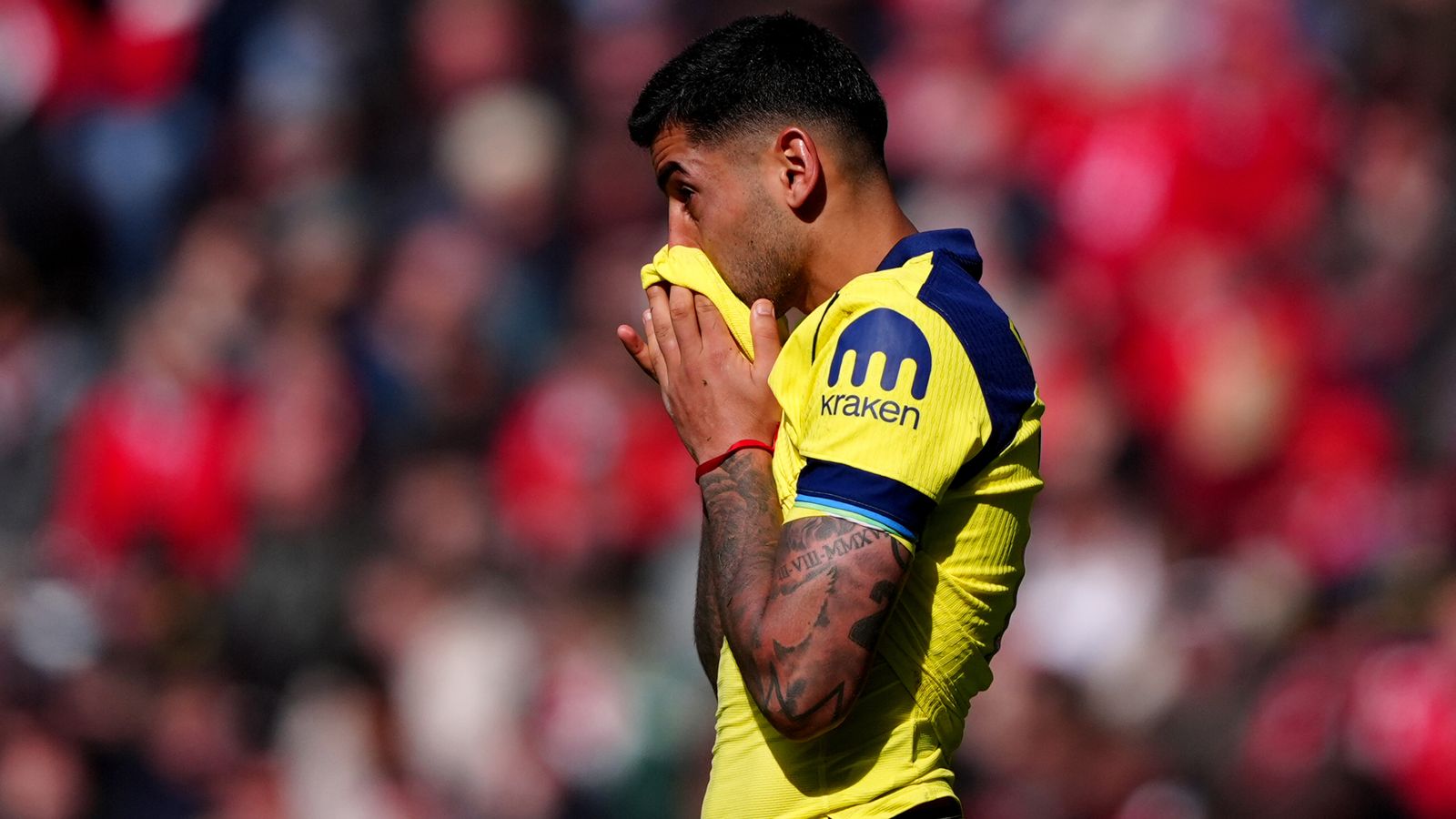
Romero was seen leaving the pitch in tears, a visceral image that reflects the gravity of the situation in North London. For a player defined by his uncompromising physical style, a structural failure in the knee is particularly devastating. Ligament damage of this nature typically requires a minimum of six to eight weeks of intensive rehabilitation before a return to contact training is even considered. With the Premier League calendar concluding in late May, the mathematics simply do not work for a club return this spring.
The medical staff at Hotspur Way are now in a delicate tug-of-war with the Argentine national team. While the Daily Mail indicates he could recover in time for the World Cup kickoff on June 11, the timeline is razor-thin. We are looking at a recovery window of approximately 58 days from today. Any setback in his localized strength training or a flare-up during the re-entry phase would effectively end his dreams of defending Argentina's crown in North America. This isn't just a fitness race; it is a high-stakes gamble with one of the world's most aggressive defensive engines.
The Relegation Pressure Cooker
Tottenham’s current position in 18th place is not a fluke, and losing Romero removes the one player capable of dragging this backline through a scrap. Paul Merson’s assessment on Sky Sports that the upcoming Brighton fixture is the 'cup final of cup finals' now takes on a darker tone. Without Romero, Spurs are forced to rely on a defensive rotation that has looked porous and disorganized for months. The leadership vacuum is perhaps more dangerous than the tactical one.
Historically, teams in a relegation dogfight that lose their primary center-back during the run-in rarely survive the drop. Think back to the defensive collapses of Leeds United or Leicester City in recent years; the loss of a vocal organizer usually triggers a series of individual errors. Romero’s absence means more minutes for a supporting cast that has failed to keep a clean sheet in six matches. The pressure on the remaining defenders will be immense, especially with Brighton’s high-intensity press looming as the next hurdle in their survival bid.
The strategic blunder here lies in the club's recruitment cycle. By failing to secure a reliable, high-level third center-back during the January window, the board effectively left the club one injury away from a total system failure. Romero has already accumulated 12 yellow cards this season, proving his availability was always a volatile currency. Relying on a player with his disciplinary record and physical intensity to stay healthy for 38 games was an act of organizational negligence that may now cost them their Premier League status.
The World Cup Domino Effect
Lionel Scaloni and the Argentine coaching staff will be watching these medical updates with more than just casual interest. Argentina enters the 2026 World Cup as the team everyone wants to take down. According to the latest FIFA World Rankings, they remain the benchmark for international football. Romero is the enforcer who allows their midfield to push higher; without him, the entire tactical structure of the world champions becomes more conservative and vulnerable to the kind of teenage phenoms Thomas Tuchel is currently monitoring for England.
The injury also highlights a growing concern in the industry regarding the sheer volume of high-stakes matches leading into a summer tournament. As Leander Schaerlaeckens argued in The Guardian, the expansion and centralization of the game has pushed players to a breaking point. Romero is a casualty of a schedule that demands elite physical output every three days for ten consecutive months. The irony is that while Spurs face the prospect of Championship football, their captain will be doing everything in his power to ensure he is fit for a different continent entirely, potentially leaving his club in the lurch while he chases international glory.
If Romero does make the flight to the United States, he will be doing so with zero match fitness. This creates a secondary risk: the 'rust factor.' A defender whose game relies on split-second timing and explosive tackles cannot afford to be 10% off the pace. We saw similar situations with Virgil van Dijk and Raphael Varane in previous cycles, where players rushed back for major tournaments only to suffer secondary muscular issues or look like shadows of their former selves. Argentina may be getting their captain back, but they might not be getting the world-class defender they actually need.
Tactical Regression and Critical Failure
From a purely technical standpoint, Romero’s absence kills the high-line system that Spurs have attempted to implement this season. His recovery speed and ability to win 1-on-1 duels in transition were the only things preventing multiple 4-0 drubbings earlier in the year. Expect the interim coaching staff to retreat into a deep-sitting low block for the remaining fixtures. This is a desperate, regressive move that will further alienate a fanbase already reeling from reports of Son Heung-min's potential departure. The club is shrinking both in ambition and on the pitch.
A Culture of Fragility
There is a harsh truth that needs to be addressed: Romero's emotional reaction at the time of the injury suggests a lack of psychological resilience within the squad's core. While passion is valued, a captain crying on the pitch while his team is in the bottom three sends a message of defeatism to the younger players. Contrast this with the appointment of Marie-Louise Eta at Union Berlin, a move designed to inject steel and a fresh perspective into a Bundesliga relegation fight. Spurs look like a club that has accepted its fate before the final whistle has even blown.
The broader impact on the industry is a clear warning to other 'Big Six' clubs: no one is too big to fail if they mismanage their medical and recruitment departments. The financial hit of relegation is estimated to exceed $150 million in the first year alone. Losing a world-class asset like Romero to a season-ending injury is a blow, but the fact that it leaves the club with no viable Plan B is a failure of leadership that starts in the boardroom and ends in the treatment room. The countdown to the Brighton game is on, but for Cristian Romero and Tottenham, the time may have already run out.
- Brighton (A) - April 18
- Manchester City (H) - April 25
- Liverpool (A) - May 3
- Arsenal (H) - May 10
That fixture list was daunting with Romero. Without him, it looks like a funeral procession. The club's medical team will provide weekly updates, but the damage to the 2025/26 campaign is likely irreparable. The only question left is whether Argentina will be the beneficiaries of a recovery that Spurs desperately needed for themselves.
Read Next