The transition phase for the Portugal legend
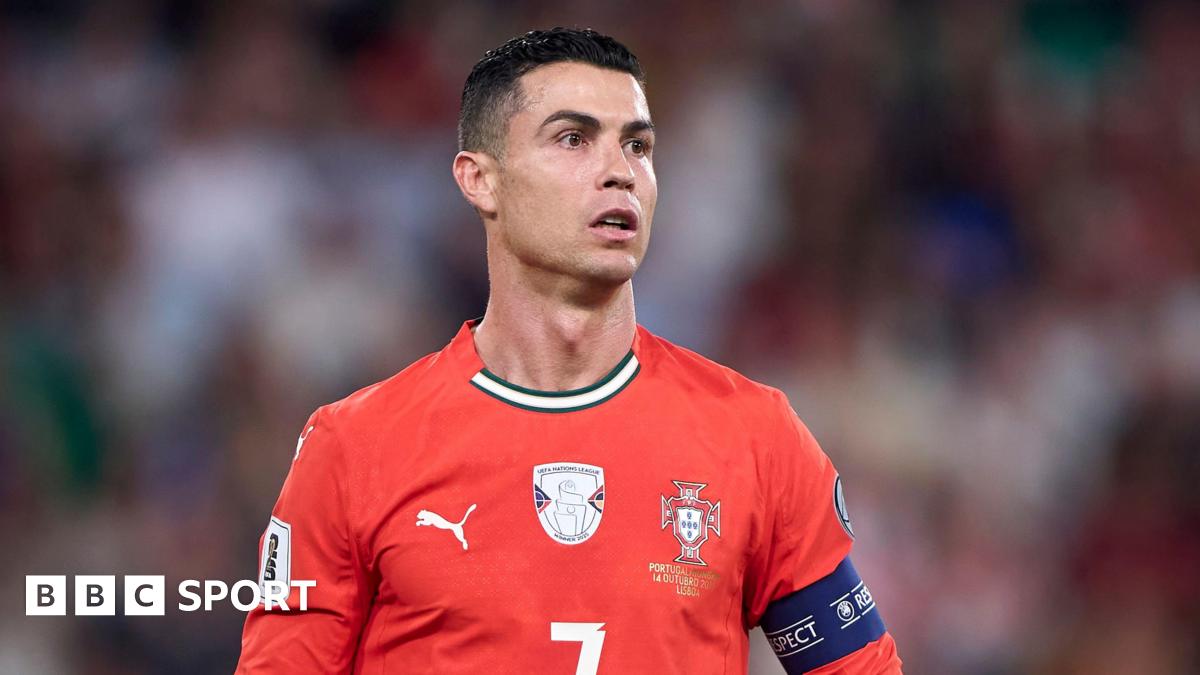
Cristiano Ronaldo is set to lead the line for Portugal in their World Cup 2026 opener against DR Congo this Wednesday. While the focus remains entirely on the tournament, speculation surrounding his club future has sharpened. Agents are already positioning for the post-tournament window, knowing this could be the final international act for the veteran forward.
Reports indicate that top European scouting departments are mapping out potential short-term solutions for squads lacking elite finishing. Ronaldo brings a specific, albeit limited, profile at this stage of his career. The tactical demand for a high-pressing forward is at its peak, yet teams still value a clinical presence in the final third. Clubs looking for a veteran mentor or a rotation piece are examining the feasibility of a post-World Cup deal.
Tactical fit and squad integration
Integrating a player of Ronaldo's age and experience requires significant structural adjustments. He no longer carries the work rate required for a modern, high-press system typical of top-four contenders. His tactical utility is confined to the penalty box and aerial threat situations. Any manager targeting him must accept a defensive disadvantage in exchange for pure efficiency.
Prospective clubs are calculating the return on investment regarding jersey sales versus on-pitch output. The financial footprint is substantial even without considering an transfer fee. Sources suggest any move would hinge on the player accepting a secondary role, a reality that has proven difficult for high-profile stars in past windows. Teams with established tactical identities are likely to avoid the disruption.
The market reality for ageing superstars
The 2026 transfer market is increasingly punishing for players past 35. Recruitment departments are leaning heavily into data-driven models that prioritize younger profiles with high sell-on value. Ronaldo remains an outlier, but his market footprint has shrunk since his mid-30s. The pool of suitors is limited to speculative interest from emerging leagues or mid-table European clubs seeking visibility.
Critics point to the drop-off in pace over the last 24 months, noting that his movement lacks the sharpness needed to stretch modern defensive lines. In high-stakes matches, his presence can force a team to play a slower, narrower game. This inefficiency often outweighs the occasional goal contribution, particularly in defensive transition phases. The decision-making process for any signing club will be fraught with these recurring analytical concerns.
Probability and timeline assessment
The probability of a high-level European move remains low. Most elite squads have long since finalized their plans for the upcoming season, and the salary requirements are prohibitive. Unless a specific injury crisis occurs, professional scouts expect limited meaningful movement. The most plausible outcome involves a move to a commercial destination where his status can offset the tactical limitations.
The expected timeline for any developments is strictly post-tournament. No discussions are finalized before the conclusion of Portugal's run in the 2026 World Cup. The industry expects a period of evaluation once the summer fixtures wind down in July. Agents are waiting to see how the player performs on the global stage before confirming potential contract terms.
Expected impact on a landing spot
Should a transfer materialize, the pressure on the hosting club will be immediate. The signing would be as much about brand equity as it is about footballing results. The impact on the locker room, however, is a point of contention. Integrating a player of that magnitude often dictates the surrounding tactical choices, for better or worse.
If the signing is intended to spearhead an attack, the club will likely struggle to maintain a balanced defensive structure. The best-case scenario is a super-sub role, though the player's history suggests a preference for consistent minutes. Ultimately, the club that signs him must prioritize managing expectations over tactical flexibility. It is a gamble on legacy versus contemporary necessity, with most data suggesting the former is now the only variable that holds any weight.
Read Next
- Cristiano Ronaldo prepares for his sixth World Cup campaign in Houston
- Aymen Hussein is attracting European interest after his World Cup display
- Arsenal eye surprise move for Newcastle midfielder Sandro Tonali
- Zlatan is the only one actually watching the World Cup matches
- 🏆 World Cup 2026 — Full Coverage Hub
- 🇵🇹 Portugal World Cup 2026 — A Seleção Hub