Surviving the Mountain
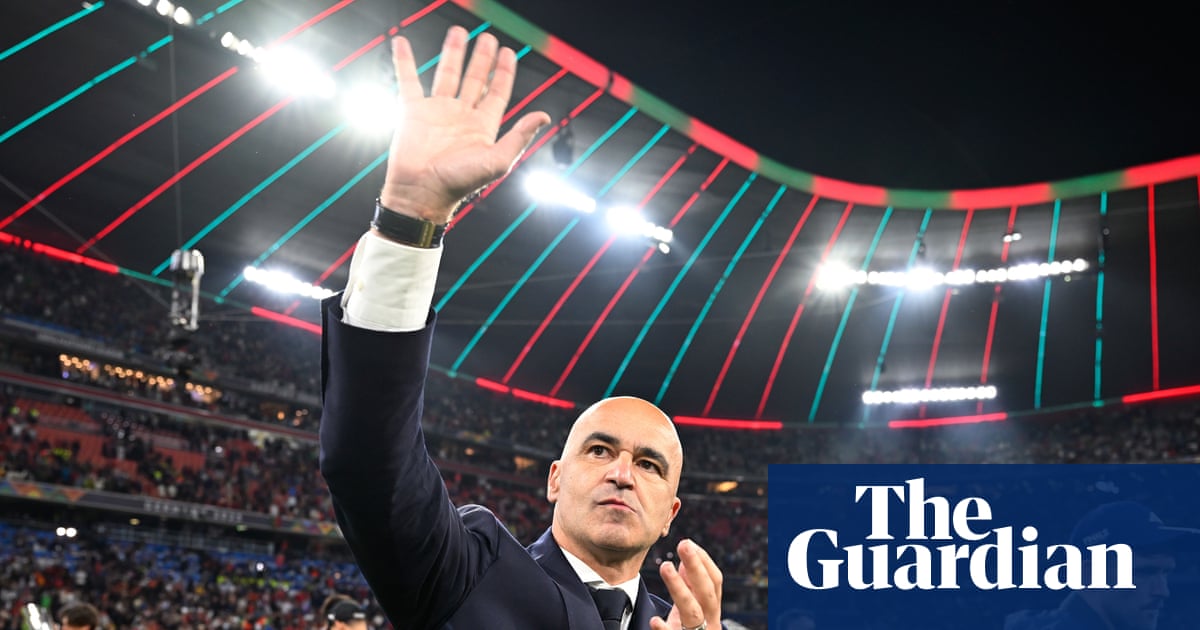
Roberto Martínez is staring down the barrel of the 2026 FIFA World Cup. We are exactly 75 days from the June 11 kickoff in North America. The pressure on the Portugal manager is at a boiling point. The margins for error are completely gone.
Speaking to The Guardian this morning, Martínez didn't sound weighed down by the massive expectations of a nation. He sounded surprisingly nostalgic. He took the interview back to the summer of 1995. He was a 21-year-old midfielder, leaving Spain for the brutal realities of the English lower leagues.
"You get there and the mountain is so big, you have no objective other than survive."
It is a revealing admission. Martínez is drawing a direct line between his own youthful desperation and the psychological mountain Portugal faces this summer. It is the basic instinct to survive the early knockout rounds.
But surviving isn't enough for this roster. Not with this absurd talent pool.
This squad is built to conquer. Look at the names on the team sheet. Bruno Fernandes. Bernardo Silva. Rafael Leão. Rúben Dias. The absolute bare minimum expectation back home is a deep run into July.
Yet, survival might be the exact right word for tournament football. It is a ruthless format. One bad half, one tactical misstep against a motivated underdog, and you are immediately on a flight back to Lisbon.
The Graduates of the Football School
During the sit-down, Martínez affectionately referred to Portugal as a "football school." He is right.
The talent pipeline pumping out of Sporting CP, Benfica, and Porto is arguably the best in Europe. They don't just produce raw athletes. They produce technically flawless, tactically elite operators who immediately slot into top Champions League clubs.
Look at the midfield. Vitinha and João Neves are the current valedictorians of this setup. They dictate tempo, break lines, and operate in tight spaces without breaking a sweat. It isn't just the attack, either. The defensive pipeline is producing modern center-backs like António Silva and Gonçalo Inácio, players perfectly comfortable operating in a high line and stepping into midfield. The raw materials for a dominant, possession-based team are entirely present.
But producing generational talent and winning international tournaments are two entirely different sports. Historically, Portugal has often looked like a collection of brilliant soloists waiting for someone else to step up.
Martínez was hired to fix that specific problem. He replaced Fernando Santos, a manager who delivered Euro 2016 but eventually suffocated the team's attacking potential with a rigid, defensive block.
The directive for Martínez was clear. Take the handbrake off. Let the school's best students play freely. Don't hide behind a low block when you possess the most potent attack on the continent.
The Definition of Risk
Martínez claims he is ready to take immense risks in pursuit of World Cup glory. That is exactly the soundbite the Portuguese press demands heading into a massive summer window.
But what does a Martínez risk actually look like?
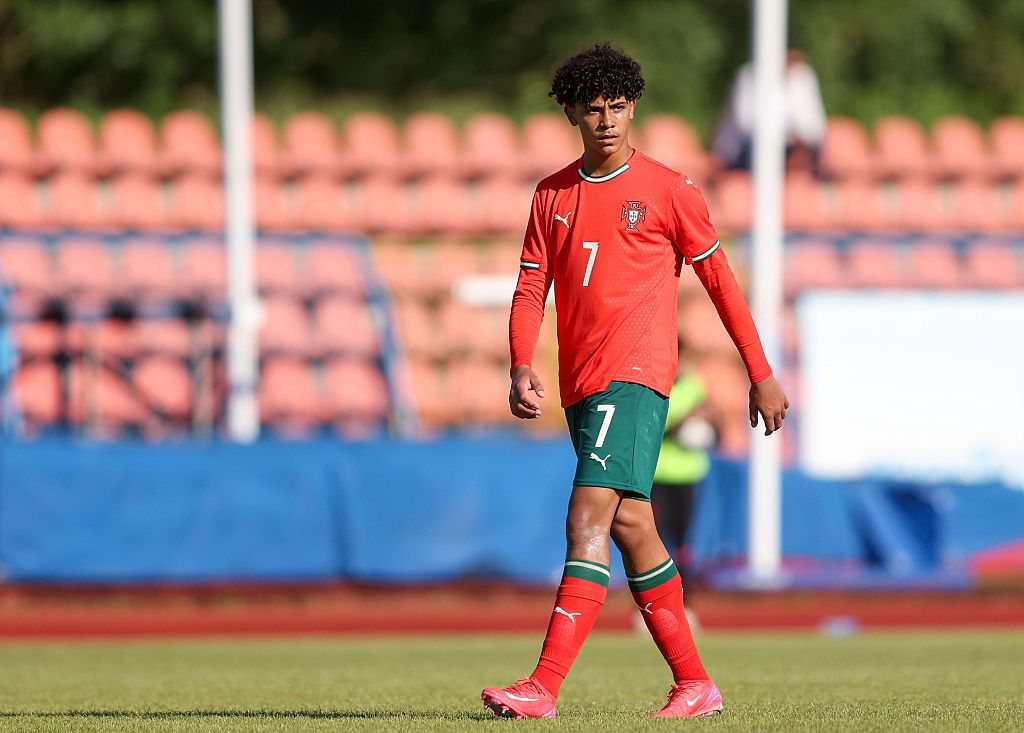
You cannot talk about Portugal, tactical risk, and the World Cup without mentioning the number seven shirt. Cristiano Ronaldo’s presence still looms over the national team.
His gravity dictates the tactical setup. It dictates the pressing triggers. Every attack inevitably funnels toward him.
Taking a genuine risk means building a fluid attack completely independent of him. It means fully unleashing Leão to terrorize fullbacks on the left wing. It means utilizing Gonçalo Ramos or Diogo Jota through the middle to trigger a modern, high-intensity press.
Is Martínez brave enough to make that monumental call? History suggests we should be highly skeptical.
The Belgium Warning Signs
This is where the persistent criticism of Martínez surfaces. We have seen this exact movie before. We know how it ends. We watched it play out for years in Belgium.
He was handed the keys to a true golden generation. Prime Kevin De Bruyne. Eden Hazard playing at an elite level. Romelu Lukaku bullying center-backs. Thibaut Courtois in goal.
He gave them attacking freedom. They routinely played beautiful football in qualifiers. But when the margins got tight against elite opposition—like France in 2018 or Italy in 2021—the structural flaws were badly exposed.
They never reached the top of the mountain. They stalled. His tenure with the Red Devils is defined by what could have been. They spent years ranked as the number one team in the world by FIFA, but they have zero silverware to show for it.
When the pressure was highest, Martínez repeatedly leaned on the veterans he trusted, even when their club form was plummeting or they were carrying knocks. That blind loyalty ultimately cost them their best window to win a major trophy. The parallels to his current situation in Portugal are glaring.
If he truly wants to take risks in North America, he needs to show a ruthless streak. He needs a cold edge that was entirely absent managing the Red Devils.
The Hammer Blow
Martínez knows the stakes perfectly well. The catastrophic failure of the 2022 World Cup in Qatar still stings in Lisbon. That quarter-final exit against Morocco left deep, unhealed scars.
The manager understands the brutal emotional toll of these condensed tournaments.
"It’s a hammer blow when you don’t succeed, but let us dream."
That single sentence defines his entire philosophy. Martínez is an eternal optimist. He believes in expansive football and the individual magic of his hand-picked squad.
He desperately wants the fans to dream. He wants them to believe the football school will finally graduate a squad capable of lifting the trophy in July.
The reality of tournament football is notoriously unforgiving. Opponents in North America will not care about Portugal's pedigree or their slick passing networks.
Teams will sit deep, block the passing lanes, and hit them hard on the counter. The Portuguese defense will be severely tested in transition moments.
Dreams are nice for press conferences. Rigid defensive structure wins tournaments. Lionel Scaloni proved that with Argentina. Didier Deschamps proves it constantly with France.
The Ticking Clock
The talking is almost over. The final meaningless friendlies are approaching. The official squad list will soon be finalized and submitted to FIFA.
This expanded 48-team World Cup introduces chaotic new variables. The travel demands across the United States, Mexico, and Canada will be exhausting. The climate shifts from humid coastal cities to high-altitude stadiums will test squad depth like never before.
Managing minutes and rotating the squad won't just be a tactical option; it will be a strict physiological necessity. A manager who refuses to trust his bench will see his team completely run out of gas by the quarter-finals.
Martínez has laid out his grand vision. He views the upcoming challenge as an intimidating mountain. He trusts his academy graduates. He promises to take risks.
Talk is cheap. The real test begins on June 11.
If his promised risks pay off, he will be immortalized in Portugal forever. He will have unlocked the full potential of a generation that has chronically underachieved globally.
But if he fails? If the old tactical stubbornness returns and they crash out early? It won't just be a hammer blow.
It will be the definitive end of an era. Critics will sharpen their knives. They will rightly point out that Roberto Martínez wasted yet another golden generation of European talent.
Read Next
- Top 10: Defining Moments of Northern Ireland’s World Cup Heartbreak
- Andy Robertson sets a hard deadline for his Liverpool future
- Ben White just gave England 90 minutes of pure tactical chaos
- Thomas Tuchel's 'learned a lot' excuse is fooling nobody
- 🏆 World Cup 2026 — Full Coverage Hub
- 🇵🇹 Portugal World Cup 2026 — A Seleção Hub