The Selhurst Park transition timeline
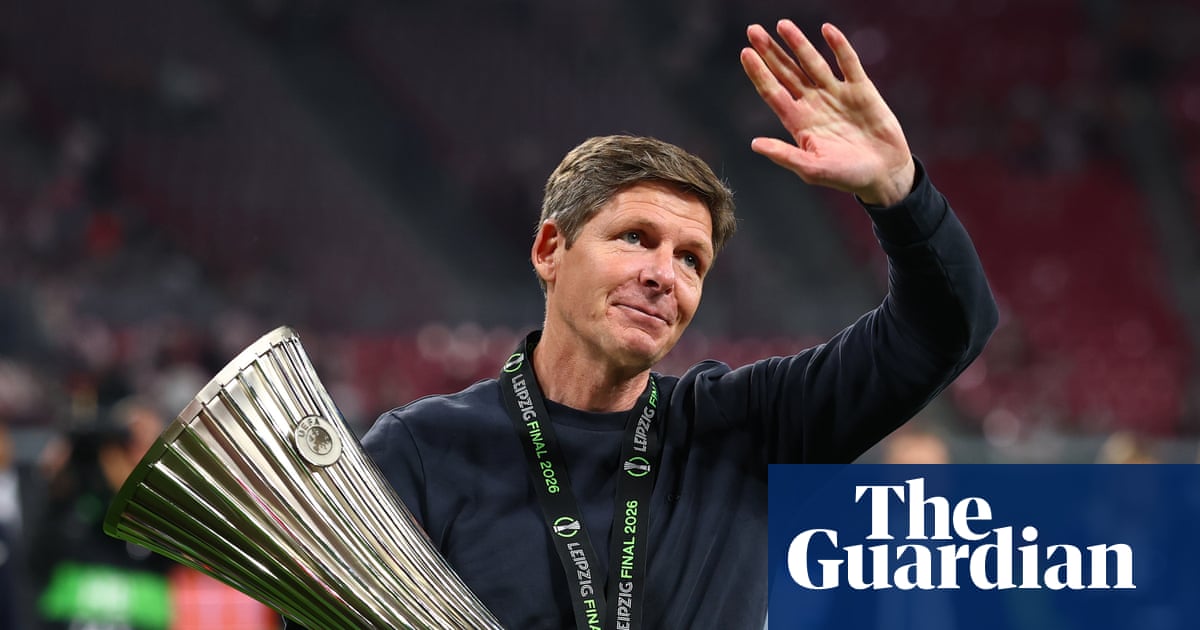
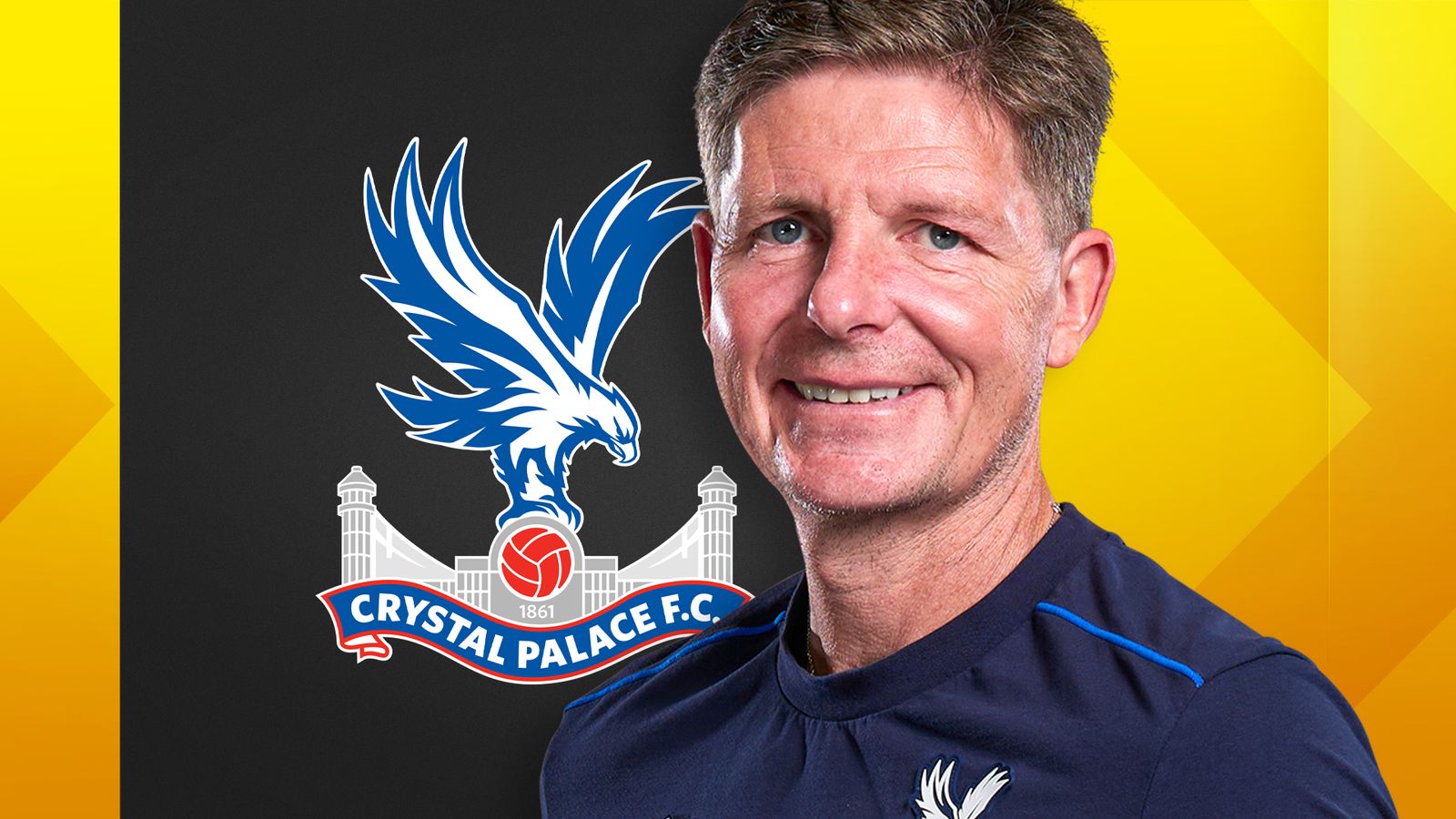
Crystal Palace is facing a period of significant uncertainty as the club prepares for the departure of manager Oliver Glasner. The Austrian coach has revitalized the team, steering them into the semi-finals of the Europa Conference League. Despite this on-field resurgence, the club hierarchy has already begun identifying successors for the vacancy that will officially open once the season concludes.
As reported by The Guardian, the squad is motivated to secure a trophy as a parting gift for Glasner. The focus is squarely on the upcoming semi-final tie against Shakhtar Donetsk, with approximately 6,000 traveling fans expected in Poland. This represents a monumental moment for the club, effectively serving as the apex of the current campaign.
Frank Lampard in the frame
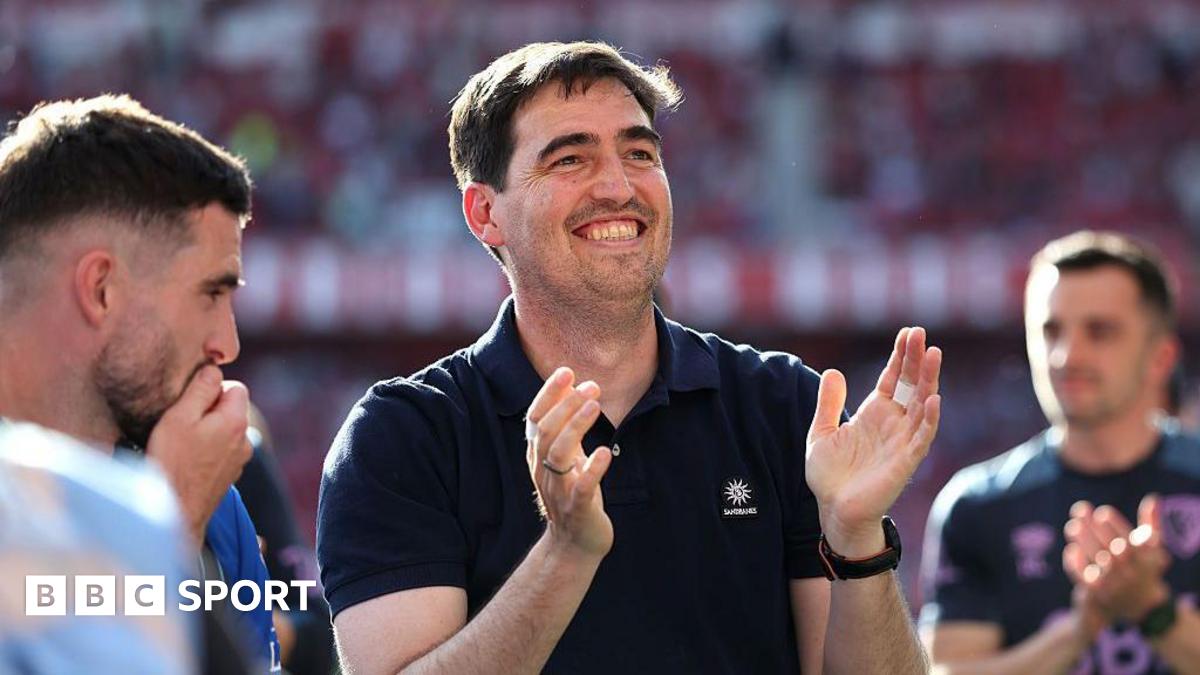
The name gathering the most momentum behind the scenes is Frank Lampard. According to recent reports from The Mirror, the Eagles have formally engaged with the reality of the compensation structure required to pry the manager away from Coventry. Palace executives have been briefed on the specific financial conditions, signaling that this is more than just preliminary interest.
Lampard, who has navigated the challenges of the Championship at Coventry, is viewed by the Palace board as a candidate capable of maintaining the recent tactical gains. However, this shift comes at a delicate time. Relying on a mid-season transition strategy based on potential compensation costs often introduces variables that can undermine club stability during the summer window.
Historical context and tactical shifts
The club is clearly looking to avoid the stagnation that previously plagued Selhurst Park. While Palace fans often recall legendary moments—like the frustration of conceding Olivier Giroud’s iconic scorpion kick in 2017—the current administration is prioritizing a identity that lasts longer than a single highlight reel goal.
The current setup under Glasner has moved away from the defensive-first mindset that defined the club for years. The upcoming European fixtures provide a final pressure test for this system. If the team collapses under the weight of the exit news, the incoming manager will have to rebuild belief from the ground up, rather than stepping into a system with high momentum.
Strategic risks for the board
Committing to a candidate like Lampard before the season ends remains a risky play for the ownership. While the financial structure for compensation is known, the fan reception to such a tactical shift could be frosty if the team’s current European run ends in disappointment. The transition needs to be seamless to avoid alienating a fanbase that finally feels the club is competing at a continental level.
With the first leg of the semi-final imminent, the players are currently insulating themselves from the off-field chatter. They want the farewell tour to end with silverware, not a administrative mess. Management must ensure the search for a new head coach stays in the boardroom while the players hunt for victory in Poland.
There is no hiding from the reality that replacing a coach who has successfully rediscovered the squad's form is a gamble. Palace currently holds a market-adjusted profile that makes them an attractive destination, but high-stakes management changes rarely go off without a hitch. The next 30 days will define whether this transition preserves the current progress or resets the club's trajectory.
The financial ledger at Selhurst Park will dictate the pace of these negotiations. If the compensation fee for the new target proves too high relative to the projected incoming transfer budget, look for the board to pivot to secondary options who are currently out of work. Finding the right balance between fiscal prudence and sporting ambition remains the primary challenge for the Eagles this summer.