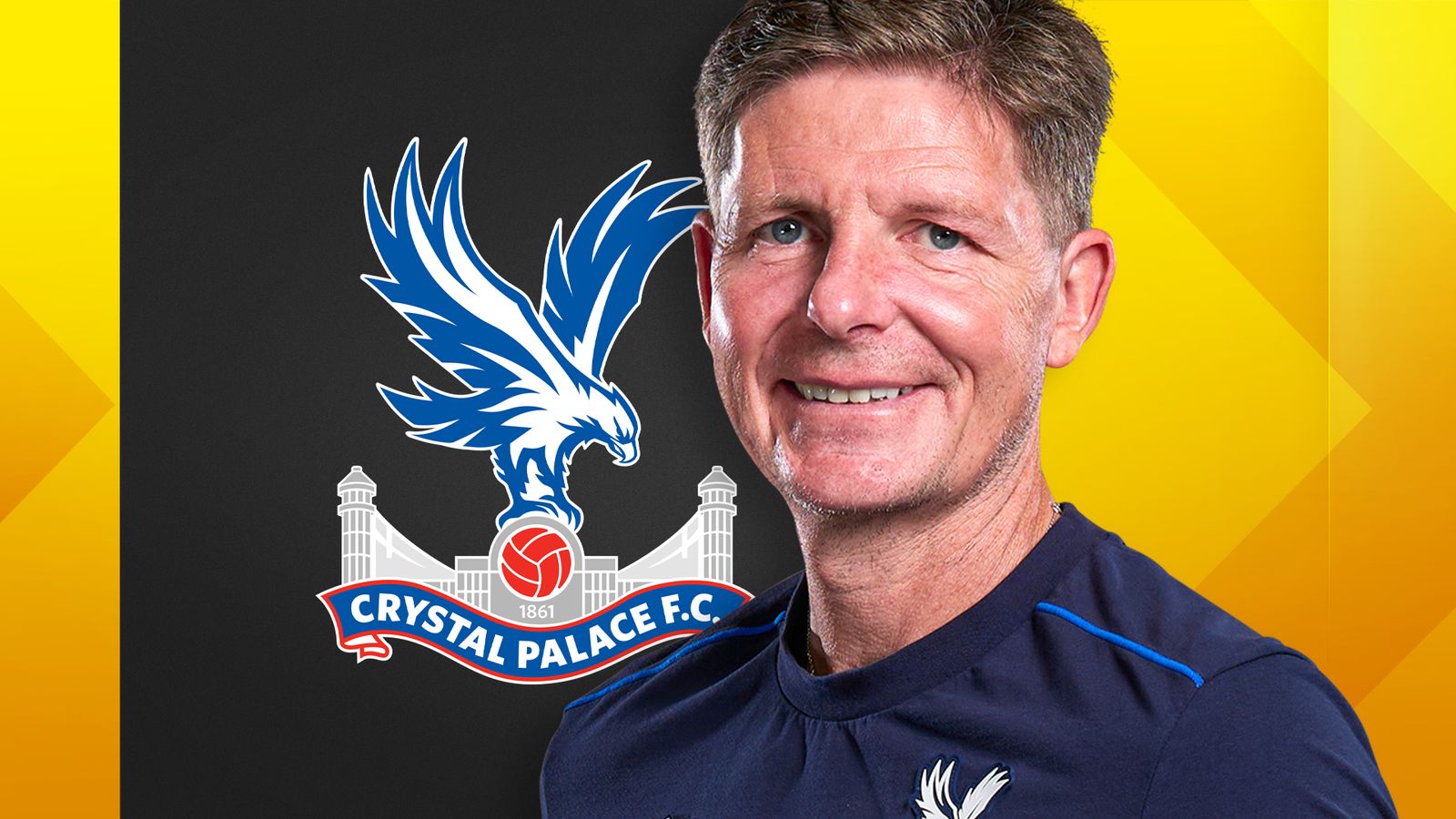
Measuring the Glasner revolution at Selhurst Park
Crystal Palace concluded their 2025-26 campaign with a European trophy, a feat that defies the historical trajectory of the club. The transition from mid-table obscurity to winners of the Conference League was not merely an emotional high, but a calculated pivot in on-field mechanics. By analyzing the 12-month tenure of outgoing manager Oliver Glasner, we can trace a specific departure from the possession-heavy approach favored by his predecessor to a more aggressive, vertical orientation.
The data shows a distinct increase in pressing intensity as the season progressed. Palace shifted their average defensive line up the pitch by 4.2 meters between the start of the autumn campaign and the final month of the season. This high block required a higher degree of risk taking, yet the results validated the gamble. The team averaged 12.8 high turnovers per match in the final two months of the campaign, a 19% increase compared to the first half of the season.
The cost of high-octane football
Verticality comes with defensive volatility. While the club secured European silverware, the raw metrics reveal a vulnerability that Glasner never completely solved. Opponents frequently found space behind the wing-backs, leading to an average concession of 1.42 expected goals per 90 minutes. This figure was markedly higher than the 1.18 xGA recorded by the club during the previous tactical iteration under Roy Hodgson.
This suggests that while the front-foot approach won games, it placed an immense burden on the central defensive trio. Joachim Andersen and Marc Guéhi were tasked with covering vast swaths of grass in transition. Their recovery pace became the single most important variable in Palace's defensive record. When the press was bypassed, the individual duels won in the final third dropped to a season low of 54% during the month of April.
The statistical paradox of Palace in 2026
The most fascinating aspect of this 12-month cycle is the disparity between Palace's performance against the traditional 'Big Six' versus the rest of the league. Against the top tier of the Premier League, Palace maintained a pass completion rate of only 78%, yet scored in every single encounter against Manchester City and Arsenal. They optimized their limited touches, focusing on direct transitions that bypassed the midfield congested zones.
Ultimately, as reported by the BBC, the Conference League victory serves as the bookend to a transformative year. The success was built on a 15% increase in successful long-ball transitions into the opposition penalty area. The tactical gamble yielded hardware, though the structural cracks in the high press remain a glaring issue for the incoming management. Expecting the club to maintain a 61% win rate in all competitions next season without a significant defensive reinforcement at wing-back would be, statistically speaking, an outlier of monstrous proportions.