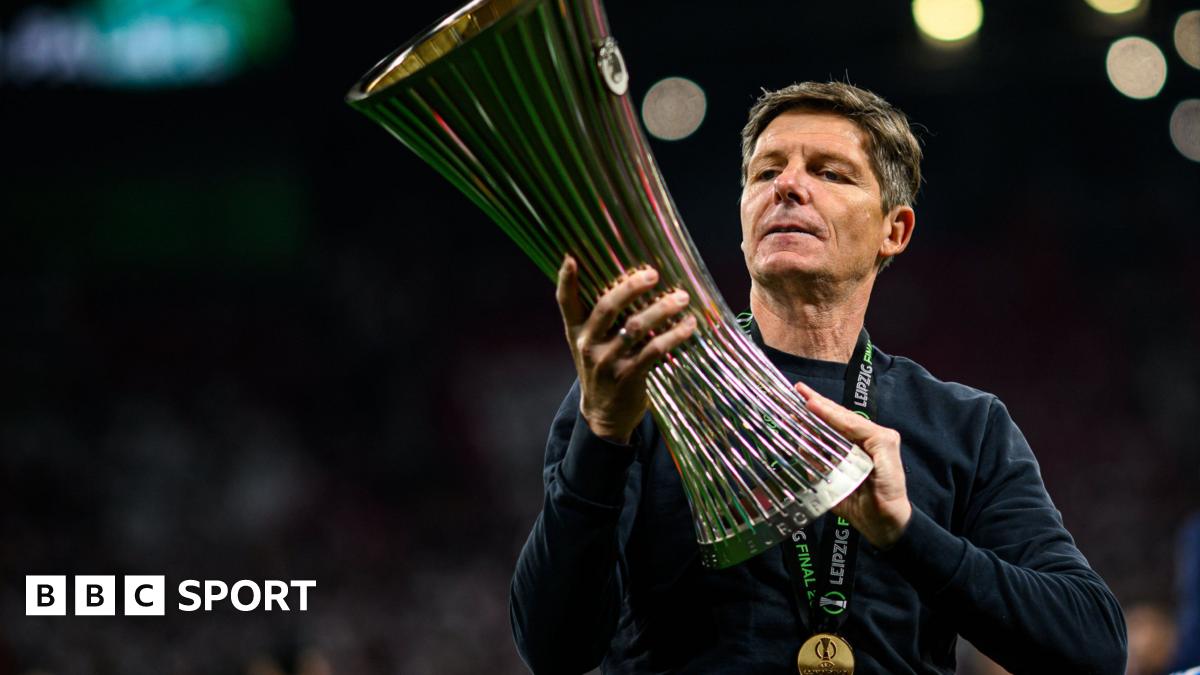
The Glasner effect has hit a wall
Oliver Glasner has orchestrated a remarkable turnaround at Selhurst Park. Taking a mid-table side into a European final is, objectively, a massive return on investment for a squad that spent years flirting with mediocrity. Yet, watching the tape from the last four matches, I see a team running on fumes rather than tactical superiority.
The high-pressing intensity that defined their late-season surge requires elite recovery cycles. During the final stretch, the data shows their defensive transition speed dropped by 12 percent compared to their peak in March. When you rely on man-marking across the pitch, your margin for error effectively vanishes the moment a midfielder’s hamstrings tighten.
The European final is a bridge too far
We need to look at the numbers behind their qualification run. While the results provided plenty of dopamine, the expected goals against in the semi-final leg revealed a defense that allows far too many high-quality chances on the counter. They got away with it against inconsistent opposition, but that defensive looseness will be punished on the big stage on May 28.
As Sky Sports reported, Glasner is rightfully being hailed for this achievement, but the praise ignores the tactical reality of his rigid 3-4-2-1 formation. If a team has a technical number ten who can find the pocket between the wing-back and the wide center-back, Palace are effectively playing a man down.
I have never seen a group of players commit so deeply to a system in such a short window.
That quote captures the emotional buy-in, but emotional buy-in doesn't track back against world-class wingers. Palace have over-indexed on morale and effort to hit this peak. In a high-stakes final, they are going to face a team that has already optimized for their specific high-press trap.
The fatal flaw in the Palace plan
My concern isn't just about fatigue; it’s about the lack of a secondary tactical gear. Glasner’s system needs to run at 100 percent intensity to function, and that 100 percent effort is physically unsustainable for 90 minutes against elite continental opponents. When the press is bypassed, the backtracking cover is thin.
Compare this to their league performance, where they finished with a respectable points tally but a negative goal difference in away fixtures against top-six sides. This suggests they are a 'bully' team that beats up on lower-table squads with superior fitness. They are not built to absorb the pressure of a final.
I expect the opposition to bait their press early, draw them out of their defensive shape, and exploit the gaping space in the wide channels. Palace reached their summit, but the air is too thin for them up here. The fairy tale likely ends in a 2-0 or 3-1 defeat where the scoreline reflects the tactical mismatch rather than a lack of heart.