The Missing Man
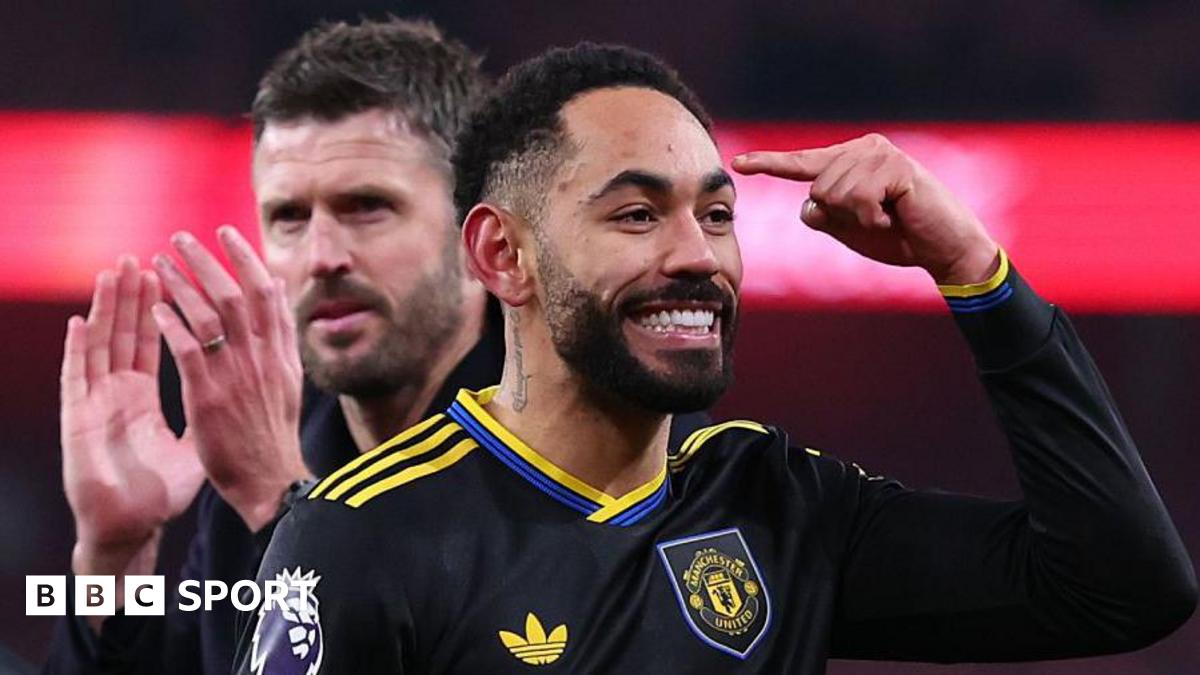
Matheus Cunha was conspicuously absent. When Manchester United lined up against Brentford, their in-form forward was nowhere to be seen. FourFourTwo confirmed that the Brazilian missed the victory due to a fitness issue. The club has remained relatively quiet on the exact nature of the problem, offering no concrete timeline for his return. This silence is deafening. In the pressure cooker of the Premier League run-in, a lack of information usually points to a more complicated medical situation behind the scenes.
United managed to grind out a win against Brentford without him. But scraping past lower-half opposition is not the benchmark for a club with grand ambitions. Cunha has been a focal point for the attack. His ability to link midfield and attack offers something their other forwards lack. Without his mobility, the attack often looks disjointed and predictable. The Brentford match was a clear example. United looked static. The transitions were sluggish. The ball progression stalled in the final third. When one piece is removed, the entire attacking system wobbles under the slightest pressure.
The Carrick Conundrum
"Are they really going to appoint a guy that no other club looked twice at?"
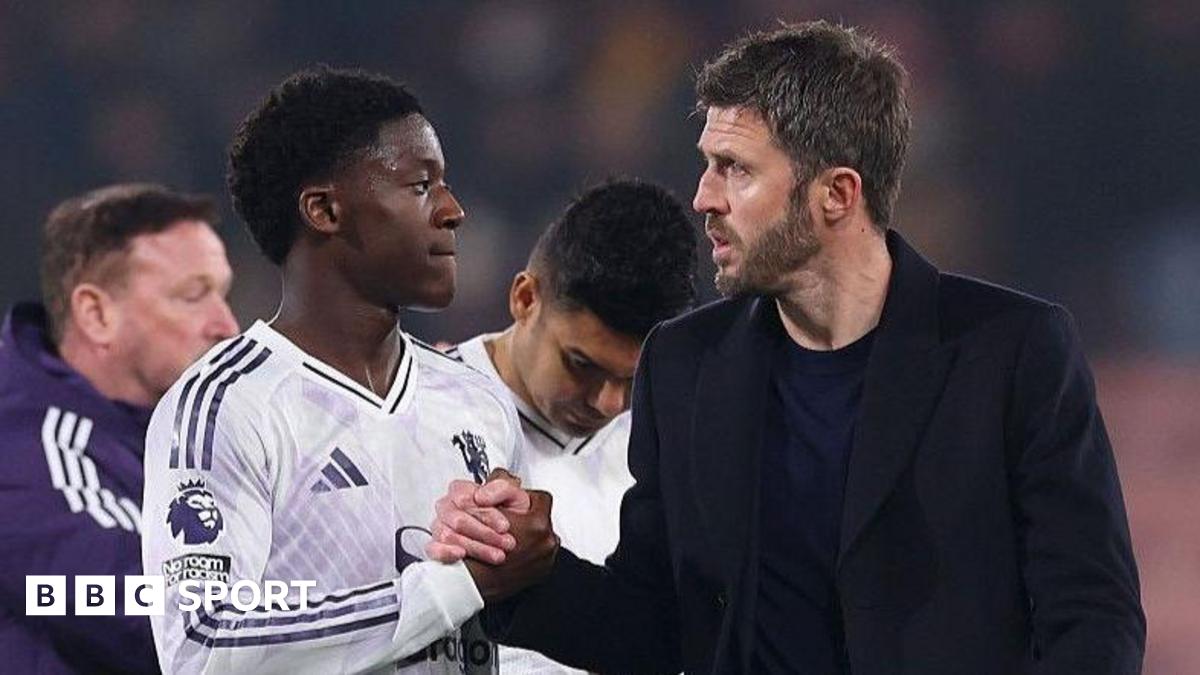
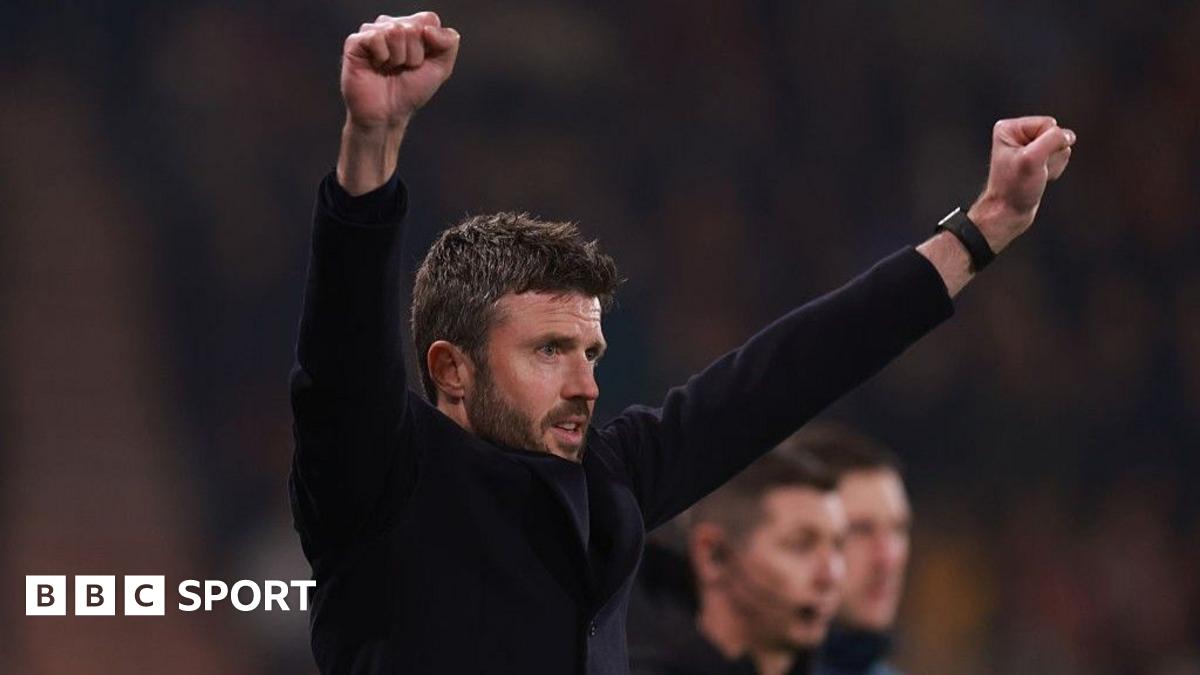
This injury update arrives at a fascinating time for the club's managerial situation. Michael Carrick has been steadying the ship, operating in an interim capacity. But the internal and external noise is growing louder by the day. The Daily Mail reported significant skepticism regarding his potential permanent appointment.
Insiders are openly questioning the logic. They are asking if the club is really going to appoint a manager that no other big side looked twice at. It is a valid concern. Giving Carrick the full-time job remains a massive gamble. The dressing room knows it. The board knows it.
Carrick’s recent results have a massive asterisk attached to them. He is operating without cup distractions. The squad has enjoyed endless days of rest and training. In modern football, a schedule of playing one game a week is an absolute luxury. Managing a squad with that much recovery time is fundamentally different from navigating a packed European calendar. Cunha breaking down in a light schedule is deeply concerning. If players are missing games now, under optimal recovery conditions, what happens when the demands increase next season?
The Structural Failure
The medical and conditioning setup at Carrington must answer for these recurring issues. How does a key forward pick up a knock when the team is resting heavily? The training load is either poorly managed, or the squad is inherently brittle. Neither option is acceptable for a club of this stature.
The failure to build a robust rotation system is haunting them. Relying so heavily on Cunha was a known risk. He plays a demanding, high-intensity game. The recruitment team failed to secure an adequate understudy. Now, the manager is forced to shuffle a depleted deck when the stakes are highest. It is a systemic failure of squad planning.
The timing of Cunha’s absence compounds existing boardroom headaches. United’s recruitment team is already under severe pressure to deliver reinforcements. Reports indicate they need to rapidly accelerate their move for their first summer signing. The battle for their preferred targets is intensifying daily.
Worse still, their bitter rivals are moving aggressively and decisively. Metro reported Liverpool are in advanced talks to sign an £80m player who was squarely on United’s radar. Missing out on a top target to a direct rival is a bitter pill to swallow. Doing so while your current starting forward is dealing with fitness issues is a genuine emergency.
It forces the club into a reactive, desperate position. They cannot afford to negotiate slowly if their current attacking options are physically unreliable. Liverpool is ruthlessly exploiting United's hesitation. They are identifying targets, negotiating terms, and closing deals while United is busy assessing training ground knocks and debating interim managers. The contrast in operational efficiency is stark.
A History of Late-Season Collapses
Manchester United has a brutal history of late-season injuries derailing progress. We have seen this exact script play out before. A key forward picks up a mysterious knock in late April or early May. The club downplays it in the press conferences. Then, the player misses vital run-in fixtures, and the points begin to drop.
In previous seasons, similar muscle tweaks have turned into month-long absences. The medical staff is under the microscope, and rightly so. Over the last three years, the sheer volume of soft-tissue problems at Carrington has been staggering. Critics argue that the conditioning program is fundamentally flawed. Others point to a recruitment strategy that repeatedly targets players with questionable injury histories.
The Premier League is an unforgiving, physically brutal environment. As the FA Cup shares the stage this weekend, the domestic calendar is reaching its breaking point. Fans are still flocking to stadiums, with tickets for top-four clashes going for premium rates from £95. The financial machine demands constant entertainment. But the players are bearing a massive physical cost.
Cunha is just the latest casualty in a grueling season. Across the division, squads are stretched to their absolute limits. But United’s situation feels particularly precarious. Their margin for error is non-existent. The failure to secure attacking depth in previous windows has left them completely exposed to the realities of a 38-game season.
The Paralyzed Hierarchy
The decision-makers at Old Trafford are seemingly paralyzed. They are hesitating on the managerial appointment, terrified of making another expensive mistake. They are moving too slowly in the transfer market, allowing rivals to dictate the terms of engagement. And now, they are sweating over the fitness of a vital attacker.
The fact that Liverpool can swoop in for a major target while United scrambles to assess Cunha’s fitness tells you everything you need to know about the current hierarchy. One club is operating with clinical precision. The other is hoping a fitness test comes back positive on a Friday morning. It is an unsustainable way to run a football club.
For Matheus Cunha, the timing is brutal. Missing games in the final stretch of the season affects contract negotiations, transfer values, and personal momentum. The medical staff must get this recovery right. Rushing him back could result in a severe tear, ruining his pre-season. Holding him out too long could cost the team massive points in the league.
It is a delicate balancing act with massive financial implications. United won against Brentford, but the cracks are highly visible. Matheus Cunha’s fitness issue is a stress test for the entire organization. It tests the manager's tactical adaptability. It tests the medical department's basic competence. And it severely tests the recruitment team's urgency ahead of the upcoming summer window. The answers to these tests will define the club's trajectory for the next twelve months. Right now, the grade is barely a passing one.