The Czech Sphinx is taking the keys to the kingdom
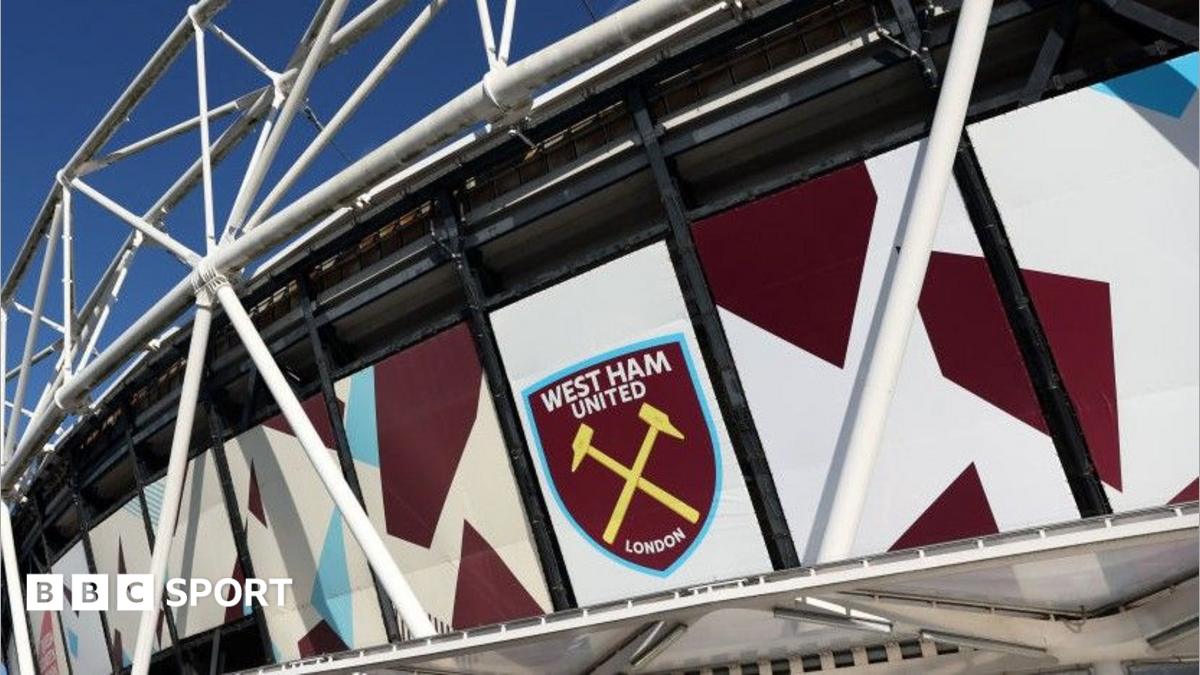
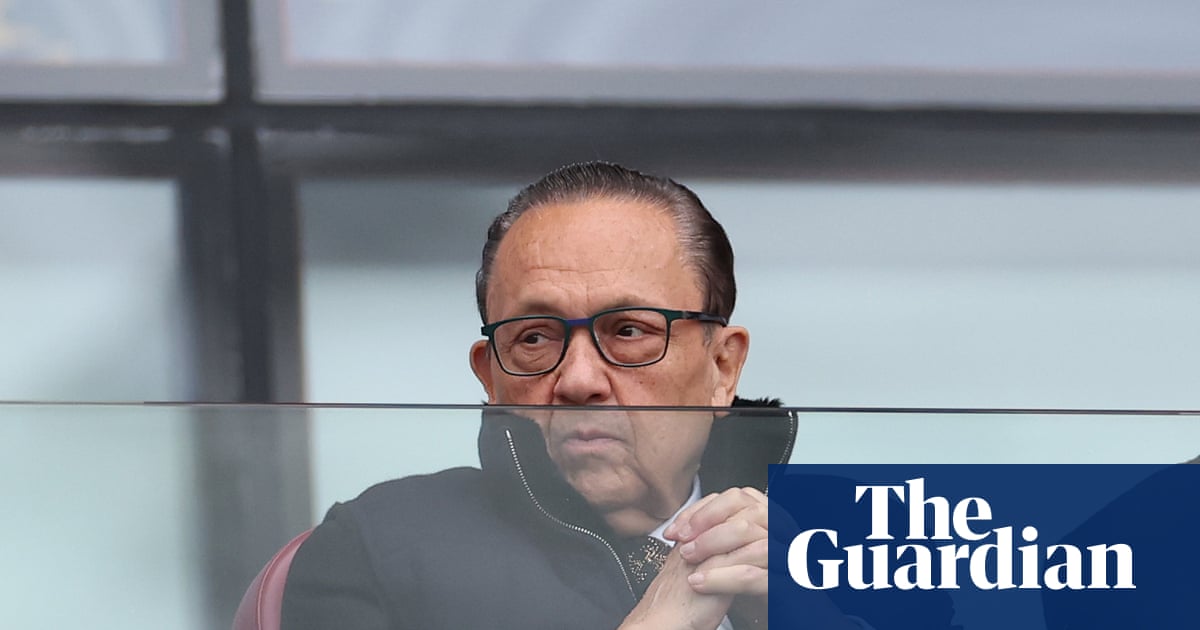
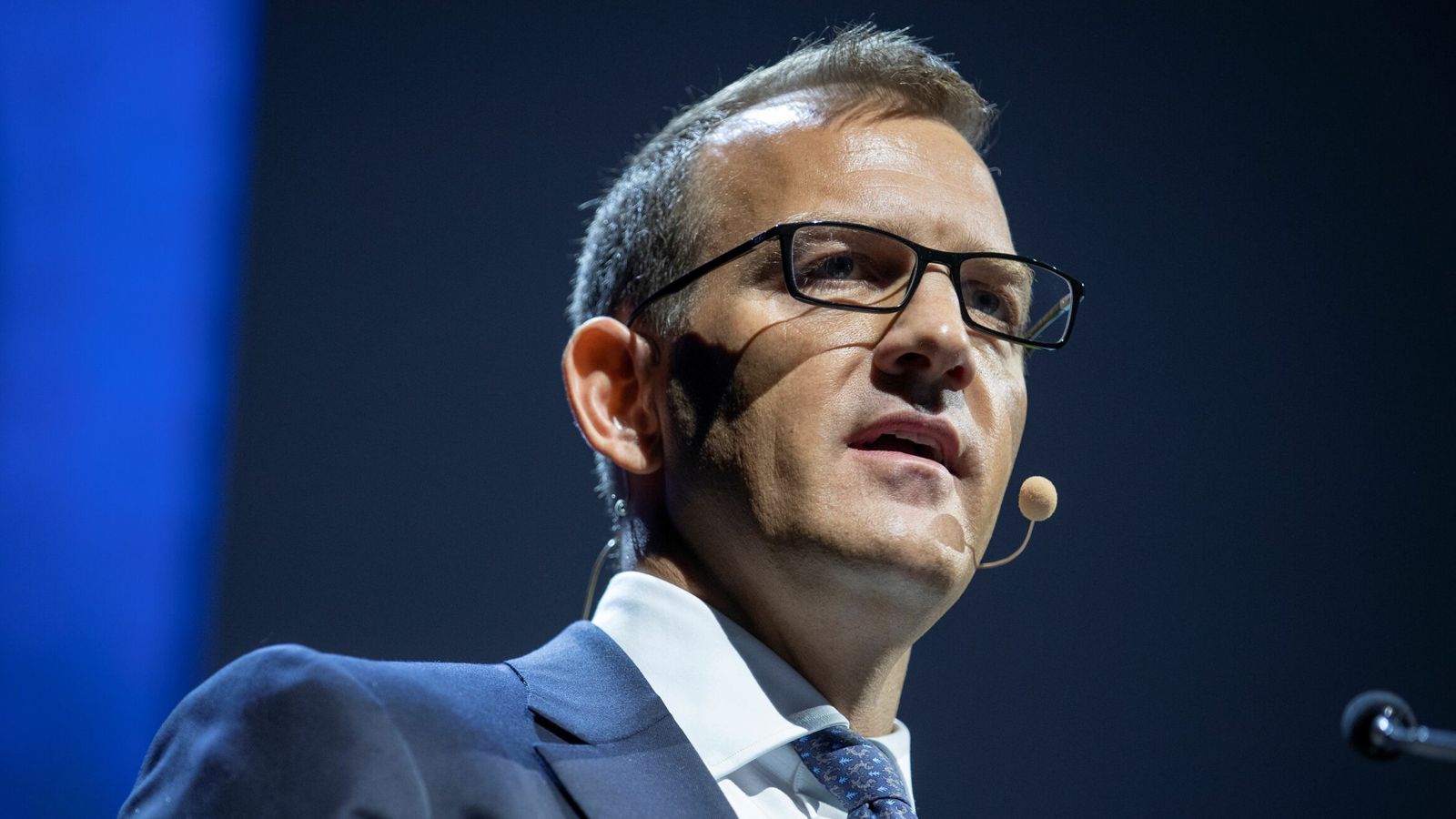
If you have been keeping an eye on the boardroom maneuvers at London Stadium, you know the atmosphere is less "happy family" and more "Succession" audition tape. Daniel Kretinsky, the billionaire who has been hovering in the background like a shadow at a gala, is officially moving to become the majority shareholder of West Ham United. This is not just a business transaction; it is a total shift in the tectonic plates of East London.
For years, the Gold and Sullivan era has felt like a long-running sitcom that went off the rails five seasons ago. Fans have been yearning for a fresh voice, but there is always a catch. When Kretinsky first arrived with a minority stake, some saw him as the golden ticket. Now, the reality is setting in that he is about to call every single shot.
The math behind the madness
Let's look at the actual numbers here. Kretinsky’s investment vehicle, 1890s Holdings, has been steadily increasing its position. He is not just looking for a seat at the table; he wants the entire dining room. The transition implies a fundamental change in how the club manages its transfer budget, youth academy, and stadium operations.
Critics will point to his cautious approach in other ventures, worried that the "Czech Sphinx" might turn the club into a spreadsheet-first operation. If he runs the Hammers the same way he manages his energy empire, we might see a shift away from high-profile emotional signings toward cold, calculated efficiency. That sounds great in a boardroom, but ask any fan in the Sir Trevor Brooking Stand if they want an actuary managing their winger rotation.
The stadium elephant in the room
We cannot discuss ownership without mentioning the London Stadium. It is a logistical nightmare masquerading as a modern football home. Any new majority owner inherits a stadium deal that is essentially a ball and chain. Unless Kretinsky has a secret plan to fundamentally alter the matchday experience, the soul of the club remains trapped in a track-and-field bowl.
The lack of transparency here is what grinds my gears. We are talking about the primary stakeholder of a cultural institution, yet the communication feels like it’s filtered through three layers of corporate PR firm. Supporters deserve to know if the plans involve actual investment in the squad or just a restructuring of debt that pads the balance sheet.
What this means for the manager
Whenever ownership shifts, the manager inevitably lands in the hot seat. Whether the current gaffer likes it or not, they are now on notice. New owners want their own people in the dugout as much as they want their own mahogany desks in the administrative offices.
If the team struggles through September, do not be surprised if we hear whispers about an overhaul. Supporters should watch the transfer window movements closely. If the war chest remains locked, it signals a quiet period of consolidation rather than an aggressive pursuit of European football. Fans know the drill, and they are rightfully holding their breath until they see concrete improvements on the grass. 0 significant titles during the current ownership transition period is a stat that will be thrown around a lot if things go sideways.