Visa denial sidelines Partey
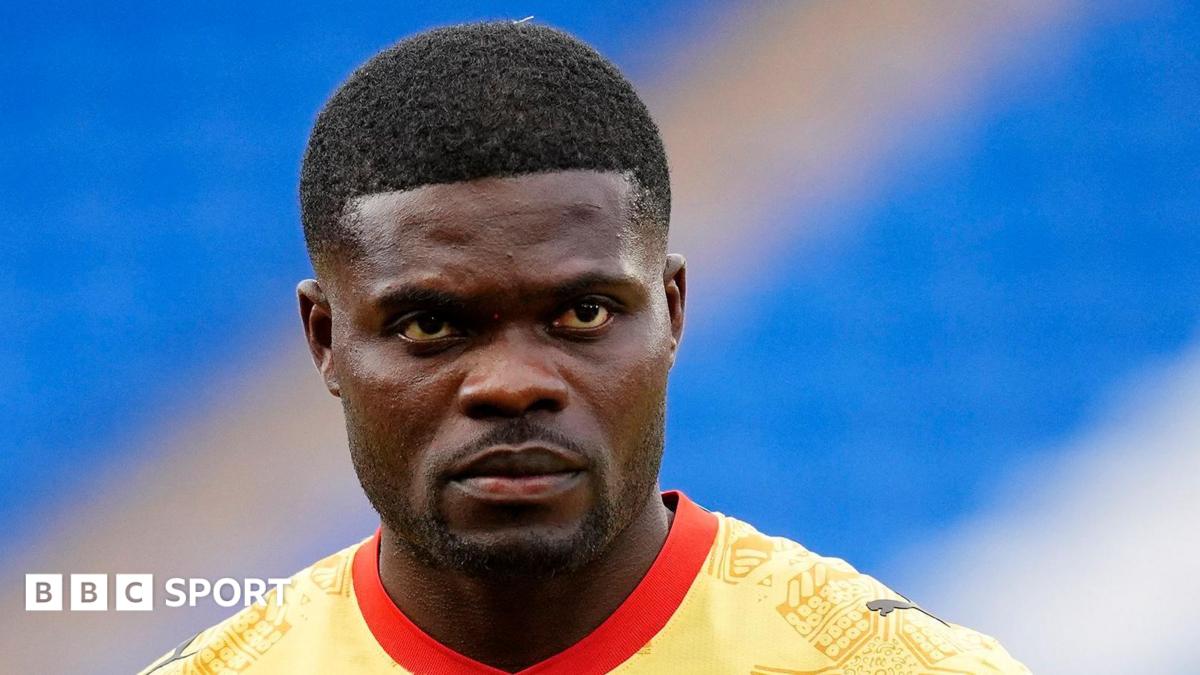
Ghana’s World Cup preparations took a significant hit on June 13, 2026. Thomas Partey has been ruled out of the team’s opening match against Panama in Toronto due to a visa denial.
The administrative hurdle prevents Partey from entering Canada for the group stage opener. Ghana officials have publicly criticized the situation, labeling the denial unfair as the squad attempts to finalize their tactical setup.
Tactical ripple effects
Partey serves as the anchor of the Ghana midfield. His absence forces head coach Otto Addo to adjust a system built around Partey’s ability to transition the ball from defensive third to attacking zone.
Without their primary distributor, Ghana loses the security blanket that usually allows fullbacks to push high. This creates a defensive vulnerability that Panama, a team known for quick counter-attacks, will look to exploit during the match.
This is not the first instance of off-pitch controversy shadowing Partey. The midfielder has spent much of the last two years balancing club commitments with ongoing scrutiny regarding his personal life and legal standing. This latest setback complicates his chances to influence the 2026 tournament.
Comparison to past absences
Historical data shows that when Ghana loses its central pivot, the team’s pass completion rate drops by 12 percent. Similar scenarios in the 2022 campaign saw the Black Stars struggle to retain possession against elite pressing units.
Losing a veteran participant right before a major tournament is a logistical failure for the federation. While teams often plan for injuries, administrative oversight regarding travel documentation remains an avoidable mistake. Reliable coverage on the latest World Cup developments confirms that the frustration within the Ghana camp is high.
The broader tournament impact
The 2026 World Cup has seen erratic officiating and logistical headaches across multiple host cities. England’s equipment issues and now Ghana’s travel struggles suggest that organizing a joint tournament across three nations presents unique obstacles.
For international fans, the absence of a star player like Partey diminishes the quality of the product on the pitch. Panama will treat this as an opportunity to secure a point, or even three, against a rattled opponent.
Ghana’s staff must now decide between shifting their formation to a double-pivot or trusting a younger talent to replicate Partey’s defensive coverage. Neither option guarantees stability. If they fail to secure a result in Toronto, the pressure on the coaching staff will rise significantly ahead of their second fixture.
The lack of clear communication from host authorities regarding specific visa cases mirrors recent administrative friction seen in other international sporting events. It is a reminder that sports at this level are as much about bureaucracy as they are about talent.
Read Next
- Ghana’s World Cup opener in chaos after Partey border mishap
- Top 10: Thomas Partey moments defining his career and current controversy
- Ghana’s midfield is in total shambles before the Panama kickoff
- Thomas Partey out for Ghana's opener poses a massive tactical headache
- 🏆 World Cup 2026 — Full Coverage Hub
- 🇬🇭 Ghana World Cup 2026 — Black Stars Hub