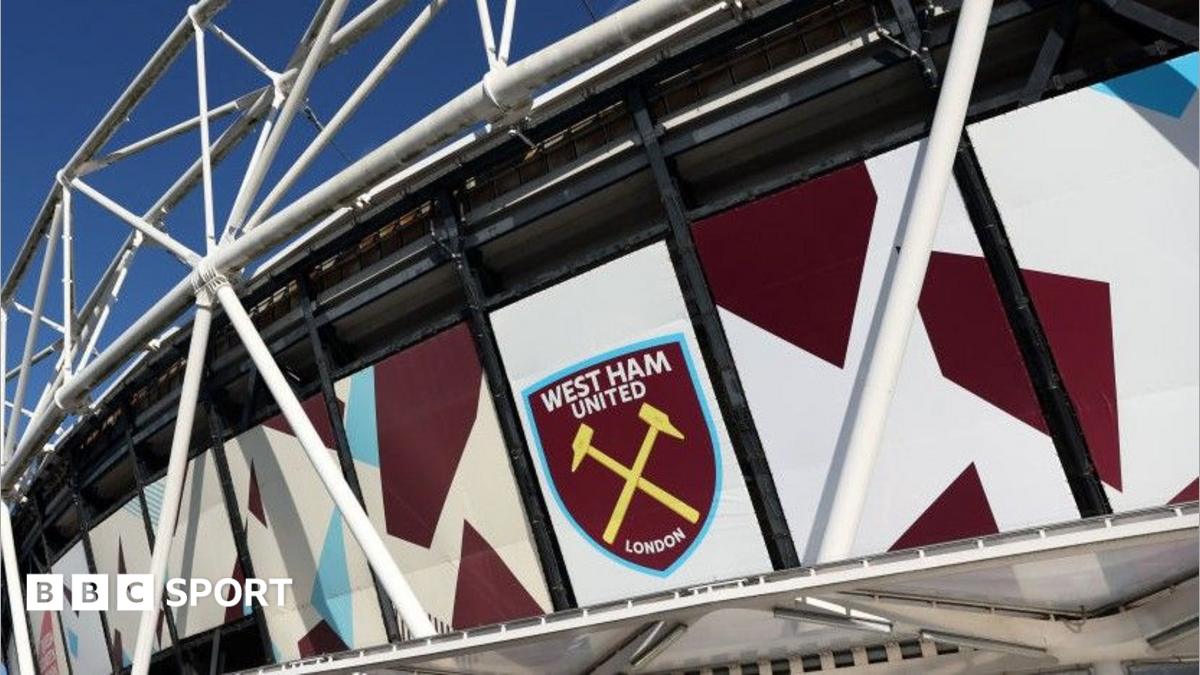
The end of the Sullivan era at West Ham
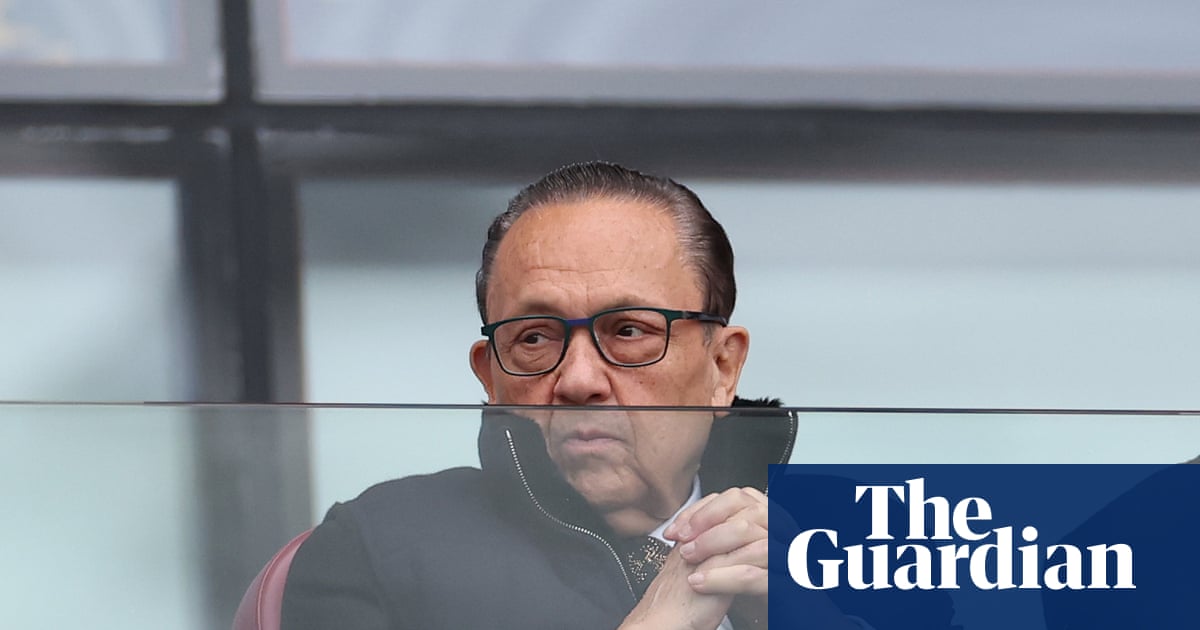
For years, sitting in the London Stadium felt like watching a soap opera where the writers forgot to give the characters any redeemable traits. David Sullivan stood at the center of that mess, and now the floor is finally falling out. As the BBC investigation into the club's internal culture broke, it became impossible to look away from the rot.
The timeline of this implosion is ugly. When allegations surfaced regarding the environment under Sullivan, most expected the usual corporate silence. Instead, we got something approaching a spine from the boardroom.
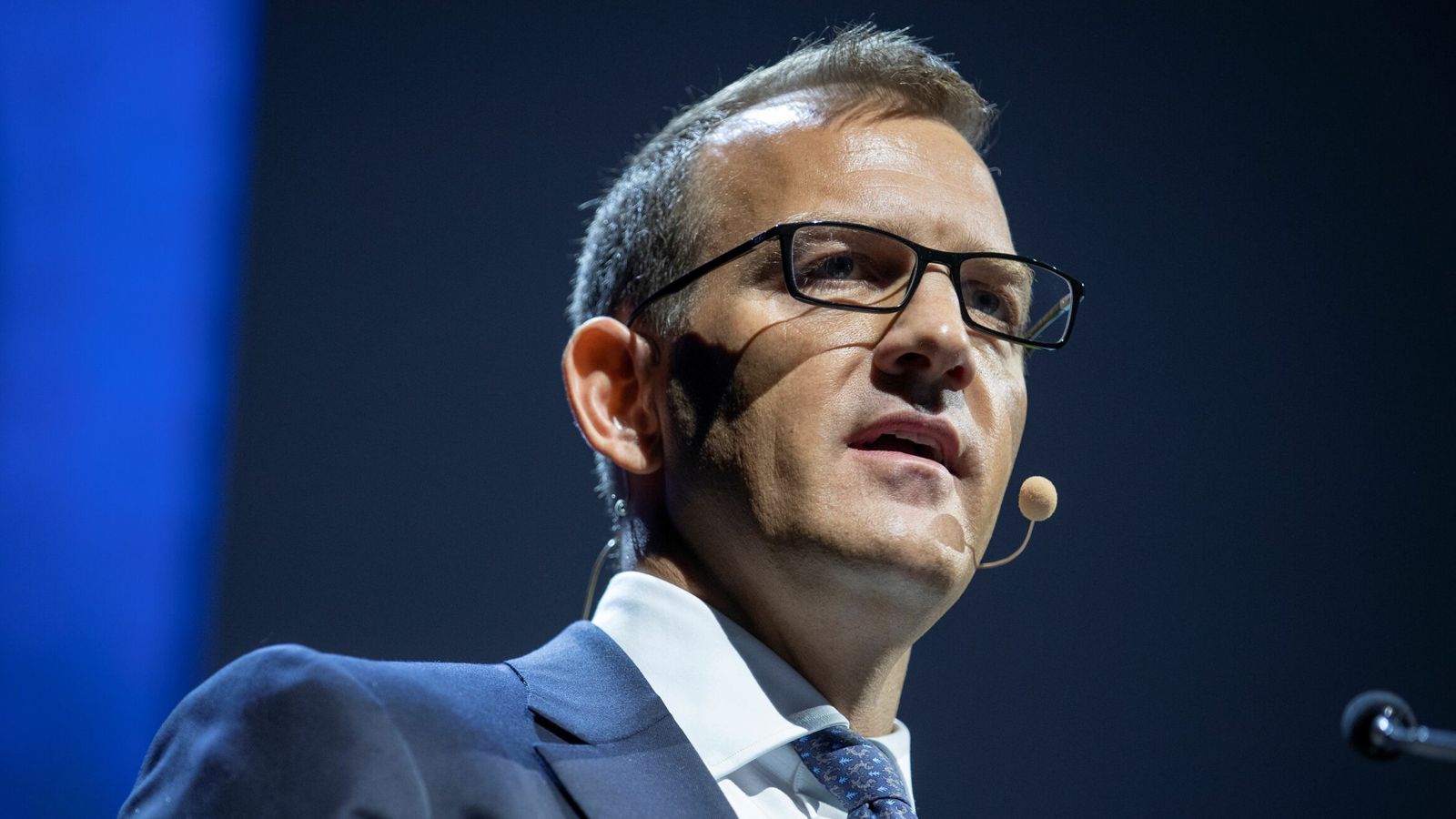
Daniel Kretinsky and Vanessa Gold have officially shifted gears. By backing the women who stepped forward to share their experiences, the current co-chairs signaled that keeping the status quo was no longer an option. It is a rare moment of accountability in a league that usually prefers to bury its secrets deep under the pitch.
The Czech billionaire takes the wheel
The deal itself is the death knell for Sullivan's total grip on the club. Kretinsky is now moving to become the largest shareholder, a seismic shift that changes the entire power dynamic in East London.
This isn't just about shuffling names on a legal document. It is a direct reaction to a leadership vacuum caused by years of prioritizing optics over actual people. When you have top-level executives effectively forcing a change in ownership structures because the previous atmosphere was untenable, you know the toxicity reached a 10/10 level on the disaster scale.
The reality of the rebuild
Let's be clear: having money and a new majority shareholder doesn't fix a broken culture overnight. Changing the person at the top is the easy part. Fixing the operational rot that allowed an unsafe environment to fester is the real labor.
Kretinsky has the capital to turn this around. Whether he has the stomach to purge every lingering remnant of the Sullivan-era guard remains the biggest question. If he leaves the middle-management structures intact, this whole restructuring is nothing more than a fresh coat of paint on a crumbling facade.
For the fans, this is the first breath of fresh air in nearly a decade. The club is moving toward a structure that, at minimum, won't be actively making headlines for all the wrong reasons. That in itself is an improvement, even if the on-pitch results still need massive surgery to become respectable again.
The transition is officially underway. If the new ownership holds firm, the next few months define whether West Ham moves forward or just cycles through the same old mistakes.