The Perpetual Transition
Spurs in March 2026. The weather is warming up, the end of the season is in sight, and Tottenham Hotspur are fundamentally lost. It is a tradition unlike any other.
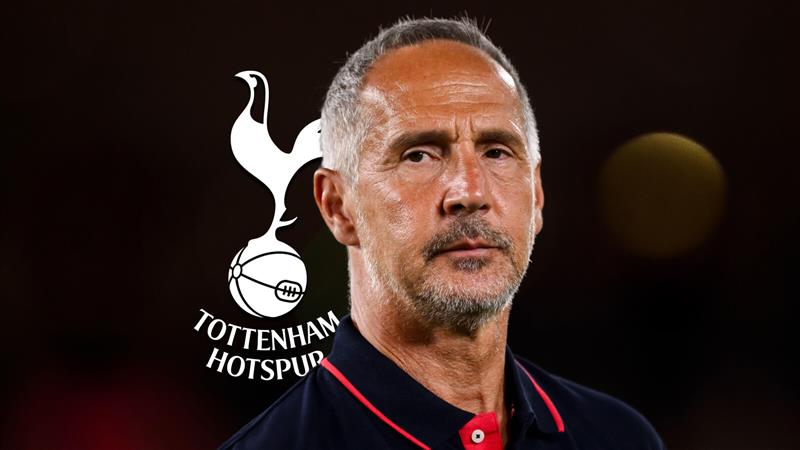
BBC Sport's Phil McNulty recently asked the question that has been echoing around North London for weeks. Where do Spurs go next? The club is currently operating under the interim guidance of Igor Tudor. Tudor was brought in to steady a violently rocking ship. He is a disciplinarian, a manager who demands physical exertion and man-to-man pressing across the pitch.
It is a grueling system. It requires players to buy in completely or the whole structure falls apart. Right now, Tottenham looks like a team playing not to lose, rather than a team playing to win.
The Interim Trap
Tudor is doing what interim managers do. He is applying a tactical band-aid to a gaping chest wound. But interim managers have a hard expiration date at a club like this. The initial burst of energy fades. The tactical limitations become glaringly obvious. The fans get bored.
Daniel Levy is facing another defining summer. Every summer feels defining for Spurs, but the stakes continue to rise as their rivals pull further ahead. Keeping Tudor is the easiest option available. It requires no compensation packages and no lengthy negotiations.
But retaining an interim manager is rarely a sign of a healthy, ambitious football club. It signals a lack of imagination. So, who is on the shortlist? The names being floated range from the progressive to the completely absurd.
The Italian Gamble
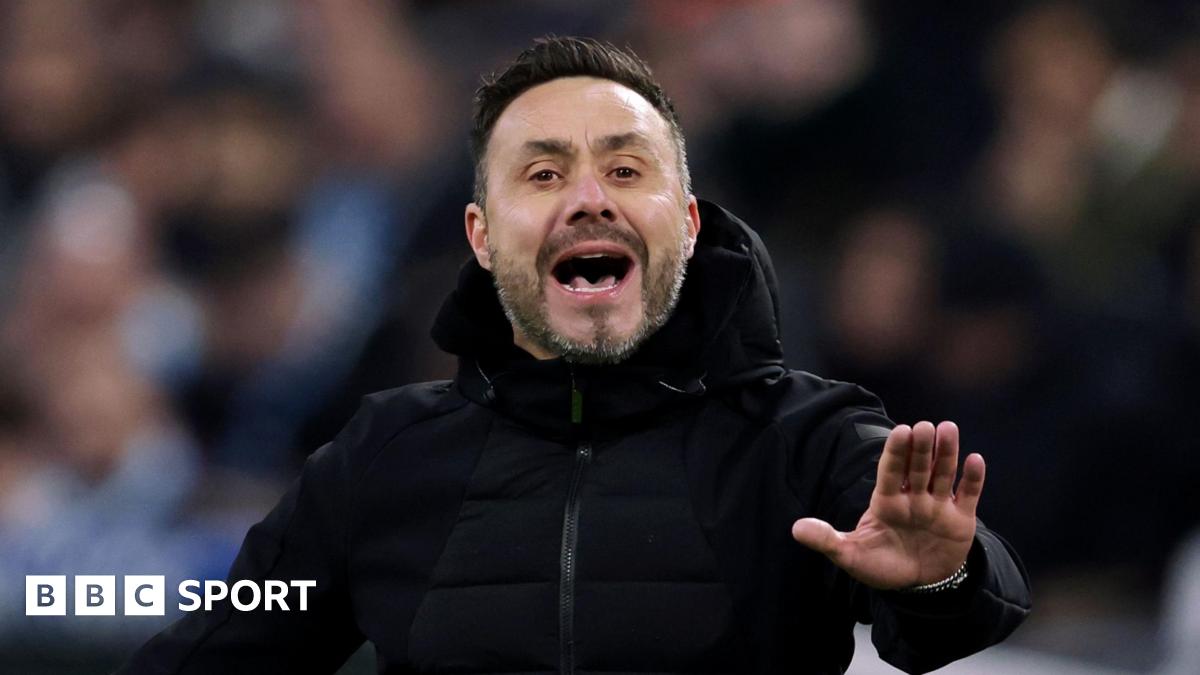
Roberto De Zerbi is the most intriguing name on the board. He represents a total ideological shift. De Zerbi demands the ball. His teams invite pressure deep in their own half, using the goalkeeper as an active playmaker to bait the opposition press before slicing through the lines.
When it works, it is some of the most beautiful football in Europe. It is bold, arrogant, and highly technical.
But De Zerbi is a demanding character. He is volatile. He requires absolute backing from the recruitment department because his system relies on highly specific player profiles. You cannot play his style with sluggish center-backs or midfielders who hide from possession. He does not compromise.
This is where the Tottenham reality clashes with the De Zerbi fantasy. Can you genuinely picture De Zerbi and Daniel Levy sitting in a room, agreeing on a transfer strategy? Levy is notoriously cautious in the market. He looks for value. De Zerbi looks for perfection. It feels like an explosive relationship waiting to happen.
Furthermore, the Premier League has adapted to De Zerbi's tactics over the last couple of years. The initial shock factor is gone. Opponents know how to block the passing lanes and punish the high-risk buildup. Hiring De Zerbi isn't just hiring a manager; it is committing to a philosophy that requires an expensive, constant £100 million refinement.
The Company Man
Then we have Ryan Mason. The eternal fallback plan.
Mason is deeply embedded in the fabric of the club. He knows the academy system. He understands the heavy expectations of the matchgoing supporters. He is cheap, he is available, and he won't make demands in the press that embarrass the board. He is the ultimate safe pair of hands.
But safety rarely wins trophies. Spurs have flirted with the idea of giving Mason the full-time job before. They always back away at the last minute.
Relying on Mason now would feel less like a calculated promotion and more like a weary surrender to the chaos. It would send a terrible message to the rest of the league. It says that Tottenham couldn't convince a top-tier manager to take the job, so they settled for the guy already in the building. Mason might have a bright future in management, but handing him the keys to a fractured dressing room with Champions League expectations is incredibly unfair to him.
The Nostalgia Act
The most baffling aspect of McNulty's report is the inclusion of Harry Redknapp.
If Tottenham Hotspur are genuinely considering Harry Redknapp for a managerial role in 2026, they should just shut the doors and turn the stadium into a permanent concert venue. This is not a slight against Redknapp. He provided some of the most genuinely joyful moments in recent Spurs history.
But football has evolved at a terrifying pace. The modern Premier League is dominated by obsessive tacticians, granular data analysis, and pressing triggers mapped out on iPads. Redknapp operates on instinct and man-management.
Suggesting his name is a pure nostalgia play. It is an attempt to sedate an angry fanbase by reminding them of a time when the football was fun. It is entirely unserious. The fact that a respected journalist even has to address the rumor highlights the deep lack of footballing intellect at the executive level of the club.
The Structural Void
This brings us to the core issue. The problem at Tottenham is not just the manager. The problem is the lack of a coherent sporting strategy.
Look at their closest rivals. Arsenal endured years of pain to back a specific project, and they are reaping the rewards. Liverpool have a clear identity. Manchester City are a well-oiled machine. Spurs, meanwhile, bounce from philosophy to philosophy. They hire a defensive pragmatist, fire him, hire an attacking idealist, fire him, and then hand the reins to an interim.
The squad reflects this chaos. It is a bizarre mix of players bought for four different managers. You have wingbacks who can't defend, center-backs who can't pass, and attackers who are starved of service. No manager, no matter how talented, can instantly fix a roster built without a unified vision.
Tudor is currently dealing with this mess. He is trying to force square pegs into round holes. It isn't pretty, and it isn't sustainable.
The uncertainty is toxic. It impacts everything. Players with expiring contracts have no reason to sign an extension. Why commit your peak years to a club that doesn't know who will be running training in July? Top transfer targets look at the situation and choose more stable environments. The longer Levy waits to make a definitive appointment, the more damage is done to the club's long-term prospects.
This is the harsh reality of the Premier League. If you stand still, you die.
Tottenham are currently standing very still. They are a massive commercial entity with a brilliant stadium, but on the pitch, they are directionless.
The next few weeks will feature a relentless churn of rumors. Agents will leak names to the press. Fans will argue on social media. The debate over De Zerbi's tactics or Mason's experience will rage on.
But none of it matters until the club decides what it actually wants to be. Until Tottenham Hotspur establish a firm footballing identity, the identity of the man standing in the dugout is almost irrelevant. They are spinning the roulette wheel again, hoping to hit the jackpot, completely ignoring the fact that the casino is burning down around them.
Read Next