The Human Element and a Tactical Collapse
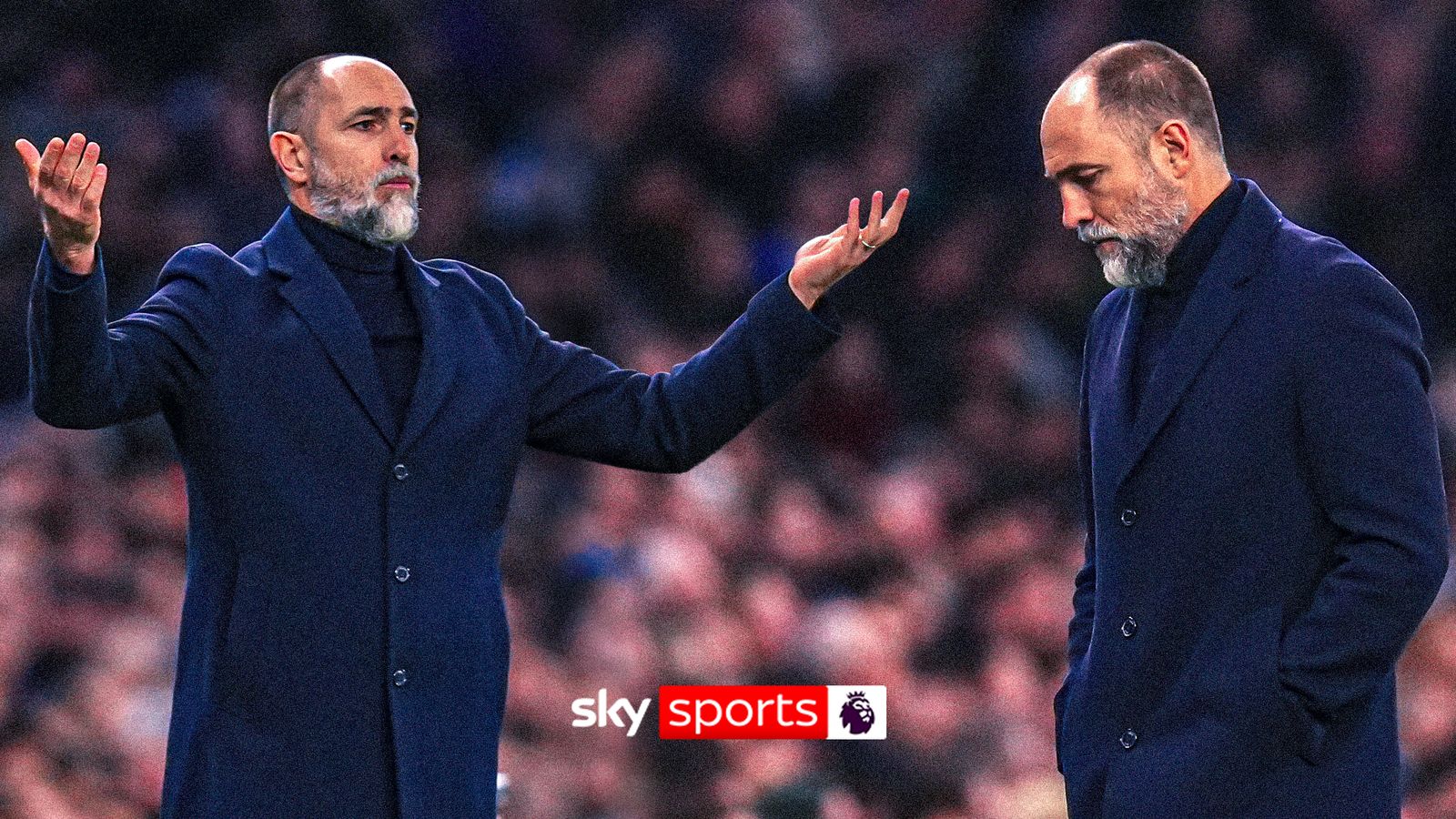
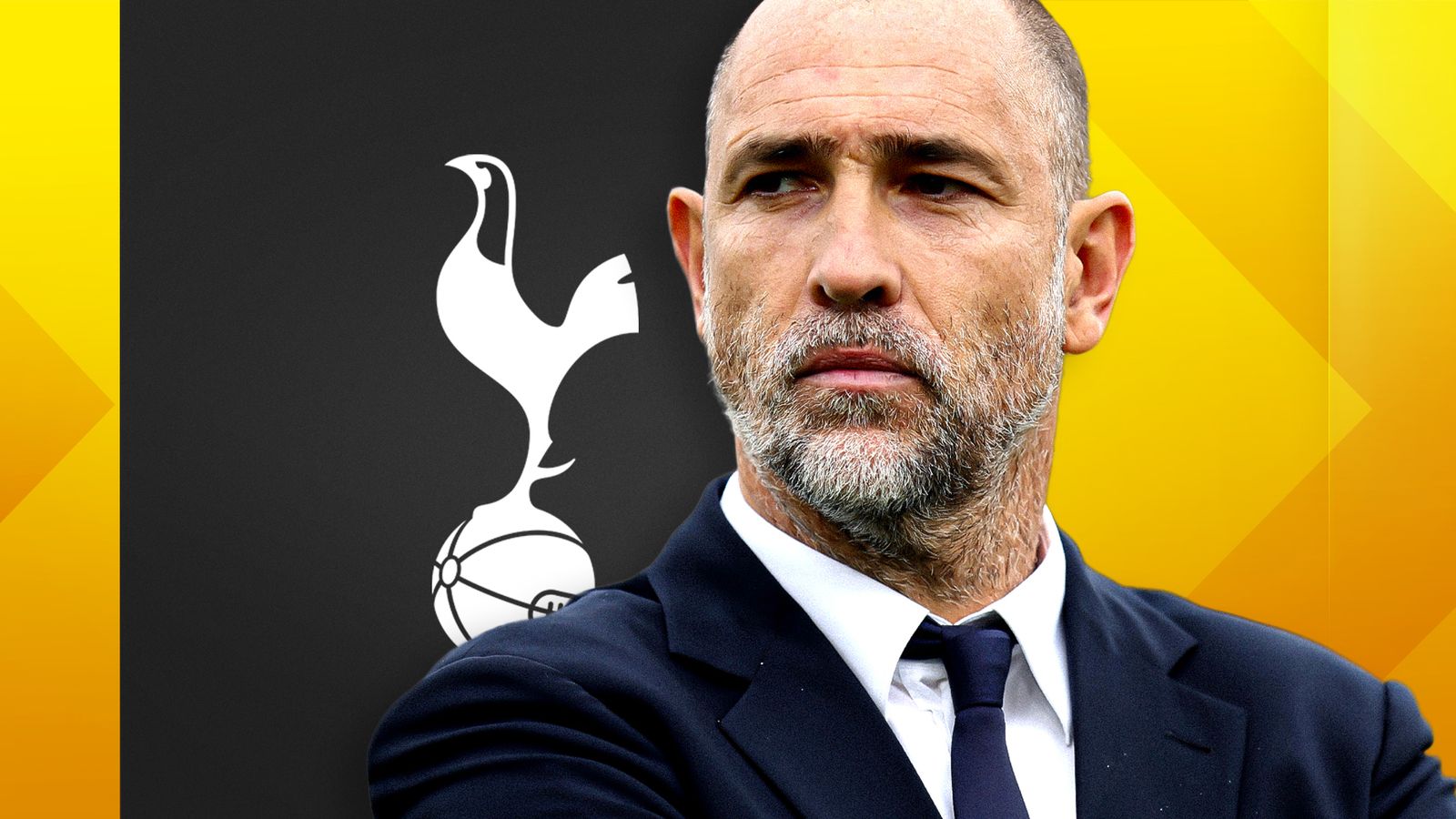
Tottenham Hotspur’s season has reached a definitive breaking point, defined by structural collapse on the pitch and profound personal tragedy off it. In the immediate aftermath of Sunday's bleak 3-0 defeat to Nottingham Forest, manager Igor Tudor received the devastating news that his father, Mario, had passed away. The club has officially sent their condolences to the Croatian coach.
It is a stark, grounding reminder of the human element that exists beneath the relentless churn of the Premier League schedule. However, the machinery of elite football rarely pauses for grief. Behind the scenes, the mechanisms for Tudor’s exit appear to be fully engaged.
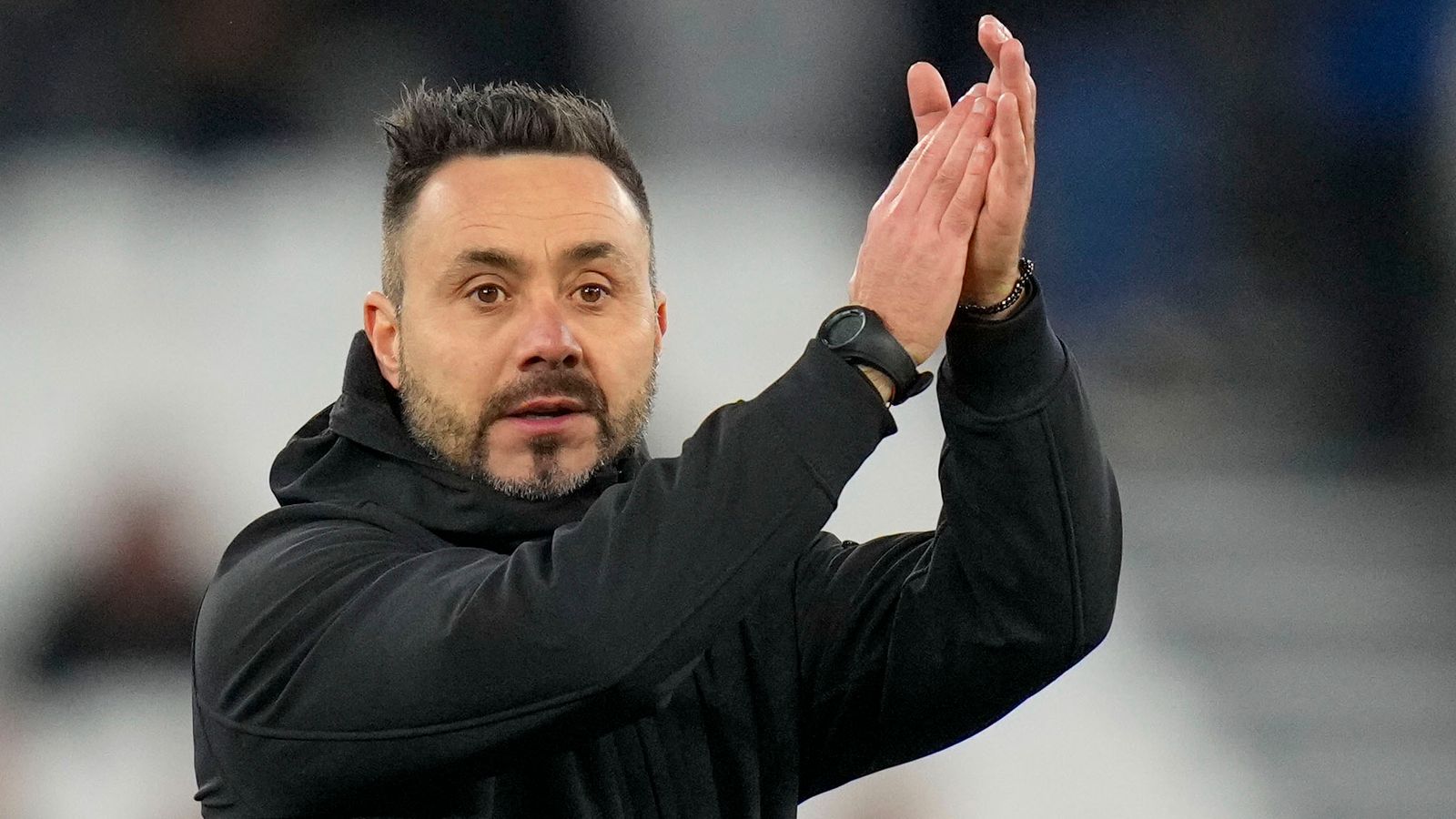
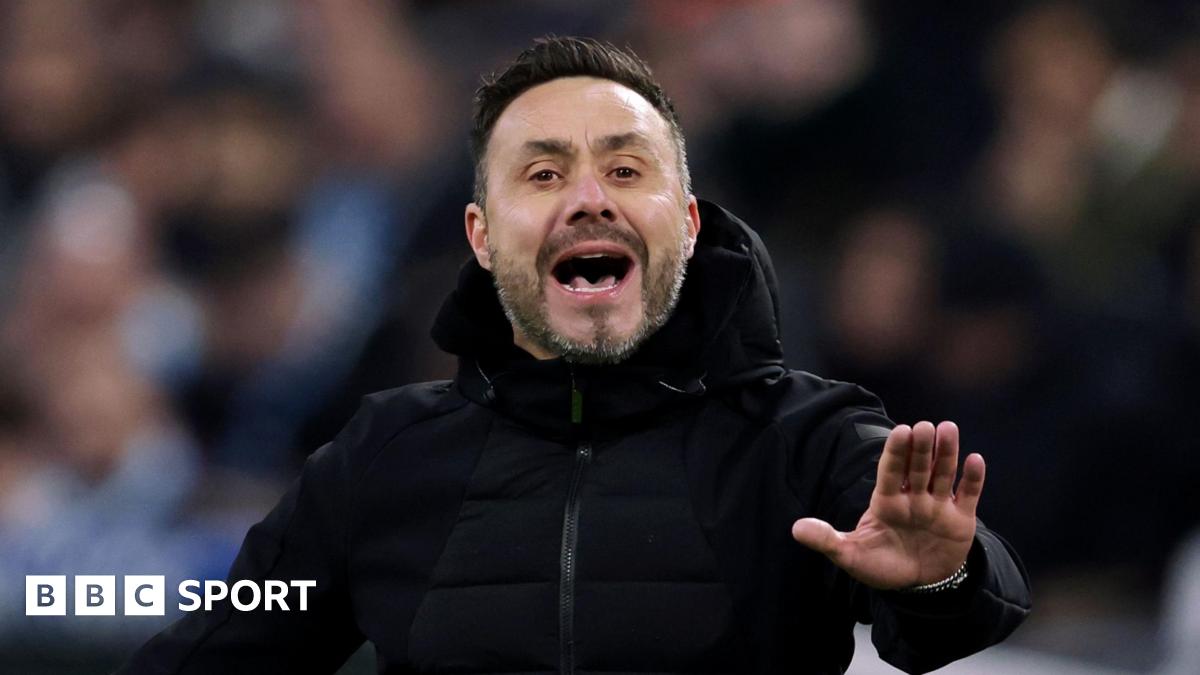
Reports indicate that Tottenham are preparing to tear up their current managerial blueprint entirely. Secret talks have already taken place with former Brighton boss Roberto De Zerbi. The Italian tactician is reportedly willing to accept the role and attempt to salvage this disastrous campaign. His acceptance, however, reportedly hinges on one specific condition.
A Midfield Bypassed and Broken
As a reporter focused on the physical health of football clubs, the current state of Tottenham is deeply alarming. The breakdown isn't merely tactical; it is visibly physical. Against Nottingham Forest, the lack of conditioning and intensity was glaring from the first whistle.
The match was widely billed as a fixture that could dictate Tudor's immediate future. Losing by three goals only cemented the reality that his methods have completely failed to take root in North London. Tudor’s system demands aggressive, man-to-man pressing and high physical output in the defensive transitions.
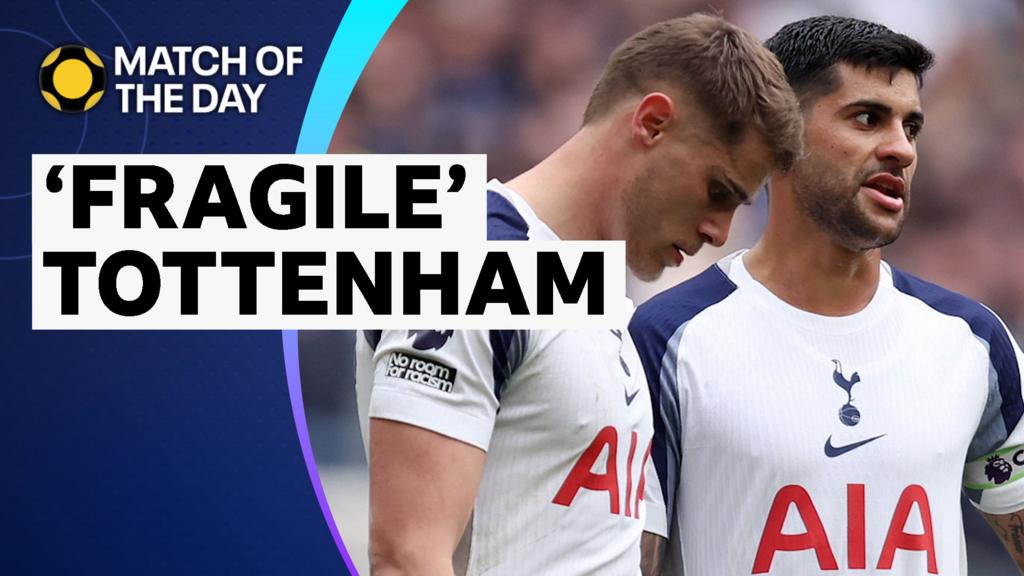
Instead, Spurs looked utterly lethargic. The midfield was bypassed with alarming ease by a relegation-threatened side. Forest did not need to dominate possession or string together complex passing moves. They simply waited for the inevitable Tottenham turnover and struck with pace against an unorganized defense.
The Spurs players appeared drained. They were continually a yard off the pace, losing second balls, and failing to track runners into the penalty area. You cannot concede three goals to a team fighting lower down the table without serious questions being asked about base fitness levels. The squad looks physically broken, carrying the heavy fatigue of a thoroughly miserable campaign.
The Transition Tax and Injury Risks
This potential pivot to Roberto De Zerbi represents a violent stylistic whiplash for the squad's physical preparation. De Zerbi is a tactical fundamentalist. His entire philosophy is built on provoking the opposition press, utilizing the goalkeeper as an active participant in buildup play, and manipulating space through highly choreographed passing circuits.
It is high-wire football. When executed correctly, it suffocates opponents. When it fails, it exposes the team to devastating, lung-busting counter-attacks. Every time a club changes its manager, the medical department braces for impact. Data across the Premier League shows a consistent spike in muscular injuries during the first six weeks of a new managerial reign.
This is known informally as the transition tax. Players are suddenly subjected to different training loads, altered sprint metrics, and new tactical positioning that stresses entirely different muscle groups. For a squad already depleted and fatigued by a disastrous season, introducing De Zerbi's intense tactical periodization right now is incredibly dangerous.
De Zerbi demands high-velocity actions. His buildup relies on drawing the opposition in and then executing rapid, vertical passing combinations. This requires players to go from a standing start to an absolute sprint multiple times per half. For players who have been operating in Tudor’s slightly more reactive block, this sudden demand for explosive concentric muscle contractions is a reliable recipe for hamstring tears.
The Midfield Engine and Tactical Demands
Evaluating the current roster through the lens of De Zerbi’s demands reveals significant physical challenges. Pedro Porro and Destiny Udogie possess the athletic profiles required. They are dynamic full-backs who can invert into midfield or overlap with high-intensity sprints. They have the aerobic capacity to recover defensively and the technical security to break the first line of pressure.
The midfield engine room is where the physical complications truly arise. De Zerbi requires a double pivot that is entirely press-resistant and capable of operating under immense cardiovascular strain. Yves Bissouma knows the system intimately from their shared time on the south coast, providing a vital tactical bridge for the dressing room.
The secondary pivot role is highly demanding. Pape Matar Sarr has the boundless energy required, but his metronomic passing rhythm under pressure remains inconsistent. Rodrigo Bentancur fits the technical profile perfectly. However, his extensive injury history and recent fitness record make him a massive risk for such an intense, physically punishing role. Relying on him to anchor a De Zerbi midfield without a robust backup plan invites another long-term injury setback.
Attacking Strain and The 'One Condition'
De Zerbi’s attacking structure isolates wingers in one-on-one situations. He demands his wide players hold the width, stretching the defensive block to its maximum before executing explosive cuts inside. This physical profile suits Brennan Johnson and Dejan Kulusevski.
Son Heung-min, while still possessing elite finishing, is entering the latter stages of his career. Asking him to provide the repeated, high-intensity sprints required in a De Zerbi pressing trap might accelerate muscle fatigue and increase the risk of soft tissue injuries. The center-forward role is equally punishing under the Italian manager.
It requires constant dropping into midfield to link play, followed by immediate, maximal-effort bursts into the penalty area. Richarlison has struggled with chronic pelvic and calf issues. This raises serious doubts about his ability to withstand De Zerbi's rigorous training methodology week after week.
The reported 'one condition' surrounding De Zerbi’s potential arrival is arguably the most essential detail of this entire saga. Historically, De Zerbi is uncompromising behind the scenes. He demands significant input on recruitment and medical setups. He is not a head coach who will passively accept a disjointed backroom staff.
He previously clashed with the hierarchy at Brighton over the speed and ambition of their operations. If he is coming to North London, that condition almost certainly revolves around control of the sporting project. Tottenham are staring at a massive, multi-window rebuild. The current season is widely accepted as disastrous.
Parting ways with Tudor, particularly amidst his personal tragedy, will be a highly sensitive operation for the Tottenham board. The timing is undeniably awful. But the defeat to Forest served as a harsh exposure of the team's current limitations. Appointing De Zerbi is not a quick medical fix; it is an aggressive surgical intervention.
His training sessions are notoriously intense, involving endless, high-speed repetition of passing patterns. Attempting to implement this high-demand system at the tail end of a grueling campaign carries a massive injury risk. The club's medical staff will need to completely overhaul their load management protocols to prevent a wave of hamstring and calf strains. Tottenham find themselves at a physical and tactical crossroads.