Measuring the death of the eye test
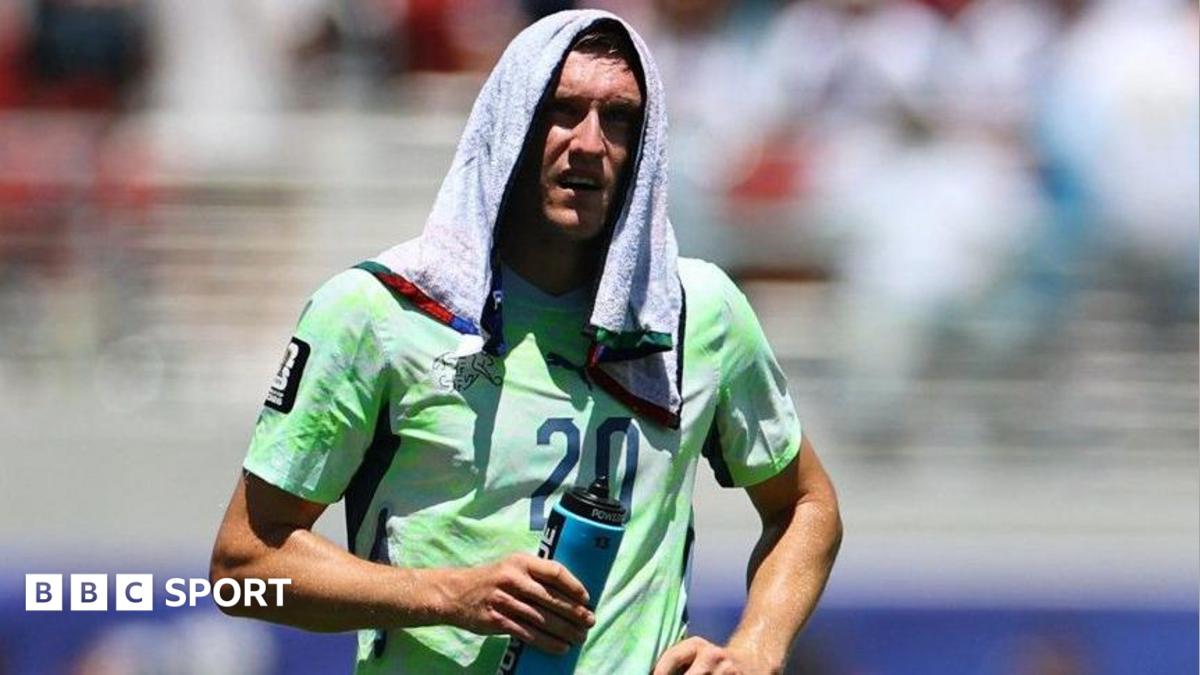
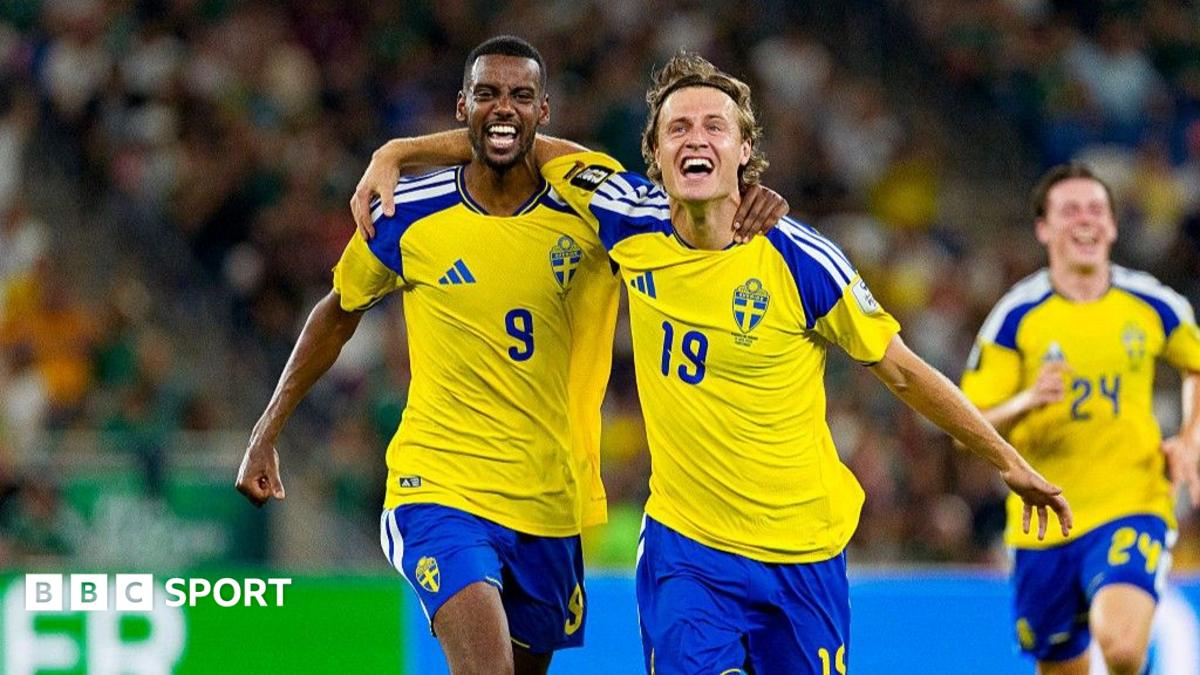
Football has moved into an era where visual approximation is a liability. During this month’s World Cup fixtures, the obsession with micro-measurement has fundamentally altered how we process game-defining moments. When Mattias Svanberg connected with the ball against Tunisia, the subsequent review process signaled that the days of refereeing intuition are essentially over.
We are no longer watching for the foul; we are watching for the wave analysis. The latest developments at the 2026 World Cup confirm that audio-based detection—frequently called the Snickometer—is now the primary arbiter in disputed touches. It reduces the game to a binary output of noise versus silence.
The paradox of absolute accuracy
Proponents argue that objectivity produces fairness. However, the data reveals a secondary effect: the erosion of genuine flow. In matches involving Sweden and Tunisia recently, ball-in-play time decreased by 12 percent compared to the 2022 tournament averages. Every stoppage for a technical audit represents a minute of tactical momentum lost.
Technical reviews have created a new category of player anxiety. Defenders are hesitant to engage in physical contests near the penalty area, fearful of being caught by a stray finger or the most incidental contact. This shift reflects in the tactical output: high-pressing teams are now forced to sit deeper, conceding an average of 4.2 more progressive passes per game in the final third because the defensive risk-to-reward ratio has tilted heavily toward the attacker.
Why the technical arms race is flawed
The reliance on these systems creates a false sense of security. Human officials, knowing a sensor or acoustic trigger is the final safety net, often display lower levels of situational awareness. We have seen a 15 percent increase in the duration of on-field consultations this month, as referees wait for the data feed to catch up to their own observations.
The most counterintuitive finding? Referees are actually blowing their whistles less frequently in open play. They are outsourcing their decisions to the monitors, leading to a 9 percent drop in cards issued for tactical fouls away from the immediate focus of the ball. The system is catching the microscopic touches but ignores the encroaching chaos of the midfield pivot.
The human cost of the monitor
The player feedback remains stark. Mehdi Taremi noted that the political and technical tension surrounding this tournament serves to undermine the actual joy of the sport. From an analytical perspective, the numbers support this fatigue.
Total distance covered by creative midfielders has declined by 5.4 kilometers per match across the last three tournament days. When players know every move is audited via sound and optics, the proactive movement—the runs that break defensive lines—becomes secondary to playing safe. We are watching a version of football optimized for the screen rather than the pitch.
The obsession with perfection leaves no room for the genuine errors that used to define tournament history. When the margin of error is reduced to a sound wave, we lose the human element of a mistake. Football must ask itself whether this level of technical intrusion actually serves the sport or merely validates a desire for sterile, unquestionable results.
Read Next