
Technology in the World Cup is finally moving past the guessing game
Measuring thin margins
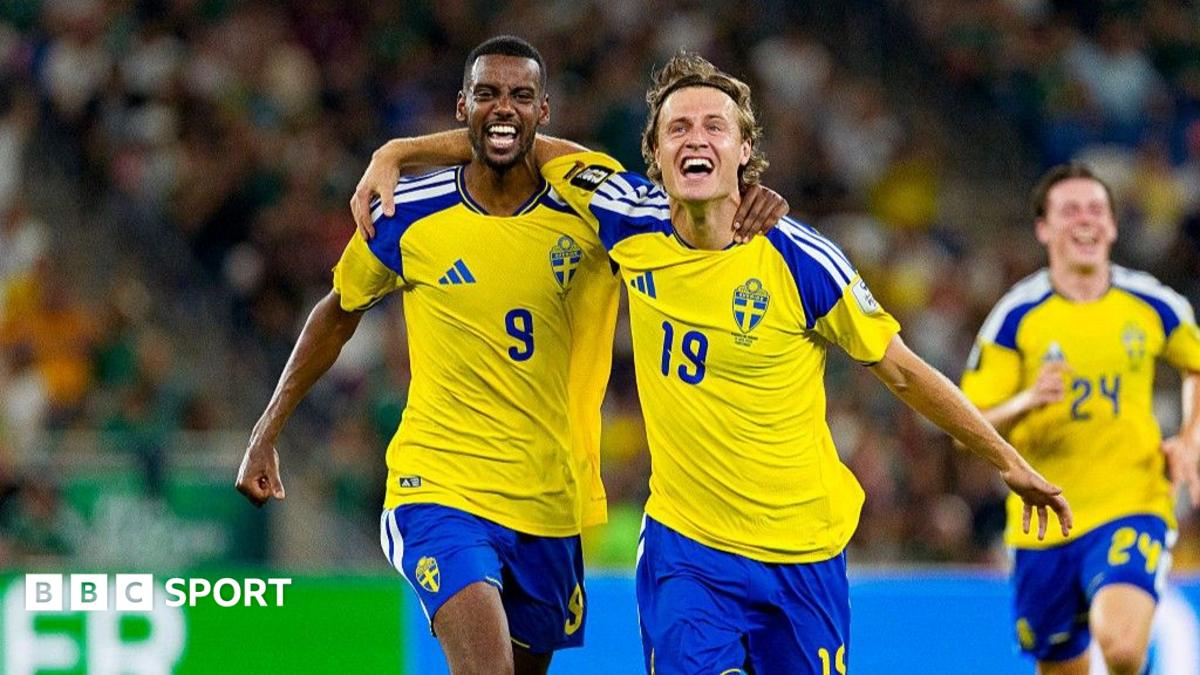
The introduction of Snickometer-style technology into football marks the end of an era defined by visual approximation. When Mattias Svanberg scored for Sweden against Tunisia earlier this month, the debate surrounding contact moved away from the fallibility of the human eye and toward the precision of sound-based wave analysis.
In the past, officials relied on super-slow-motion footage that often lacked the frame rate to catch the exact moment of connection. If the boot brushes the ball by a millimeter, standard video playback frequently fails to provide the necessary clarity. The addition of contact-sensitive microphones, similar to those used in cricket, changes the evidentiary standard for match officials at the World Cup.
The mechanism behind the sound
This system operates by isolating the sonic signature of impact. Sound waves move faster than the refresh rate of the standard broadcast cameras used at the tournament, capturing the distinct 'snick' that occurs the instant physical material makes contact.
When the visual data remains inconclusive, the audio feed provides a binary result. It acts as a fail-safe for the VAR booth, preventing the kind of subjective officiating that plagued major tournaments for decades. There is no nuance in a waveform; it either registers a spike or it does not.
Refining the officiating framework
Despite these upgrades, we must be careful not to mistake precision for perfection. While the audio-based Snickometer solves the issue of ghost impacts, it does not address the interpretive nature of the rules themselves.
A tool capable of detecting a 0.001 second difference in contact is useless if the laws of the game remain ambiguous regarding what constitutes an active challenge. For instance, the transition from on-field refereeing to remote intervention often creates an identity crisis for the officials on the pitch.
We are currently operating in a transition period where technology is outpacing the pace of the game's governance. The reliance on these tools will only increase, potentially forcing further changes to how players approach physical contact in the box.
If the 90th minute of a knockout match is decided by a visual discrepancy bridged by sound, the outcry will be inevitable. Referees are now essentially managing a high-tech laboratory during live play, a shift that is as much psychological as it is physical.
As recent reporting from the BBC suggests, the goal is clarity, but the outcome is a more sanitized version of the sport we once knew. The thrill of the debate is being traded for the cold objective of a sensor. We need to decide if this accuracy is the trade-off we actually wanted for the future of the game.
Nike Premier League Academy Soccer Ball
The official look of the Premier League for your weekend kickabouts.
Frequently Asked Questions
How does audio-based tracking improve football officiating?
What technology is the World Cup using to verify ball contact?
Why is camera footage sometimes insufficient for judging goals?
What are the limitations of using sensors in football matches?
How is technology changing the role of referees at the World Cup?
More Coverage

Virgil van Dijk and the FIFA VAR circus is already off to a flying start
9 hours ago
Scotland finally broke the curse but the VAR drama is just starting
15 hours ago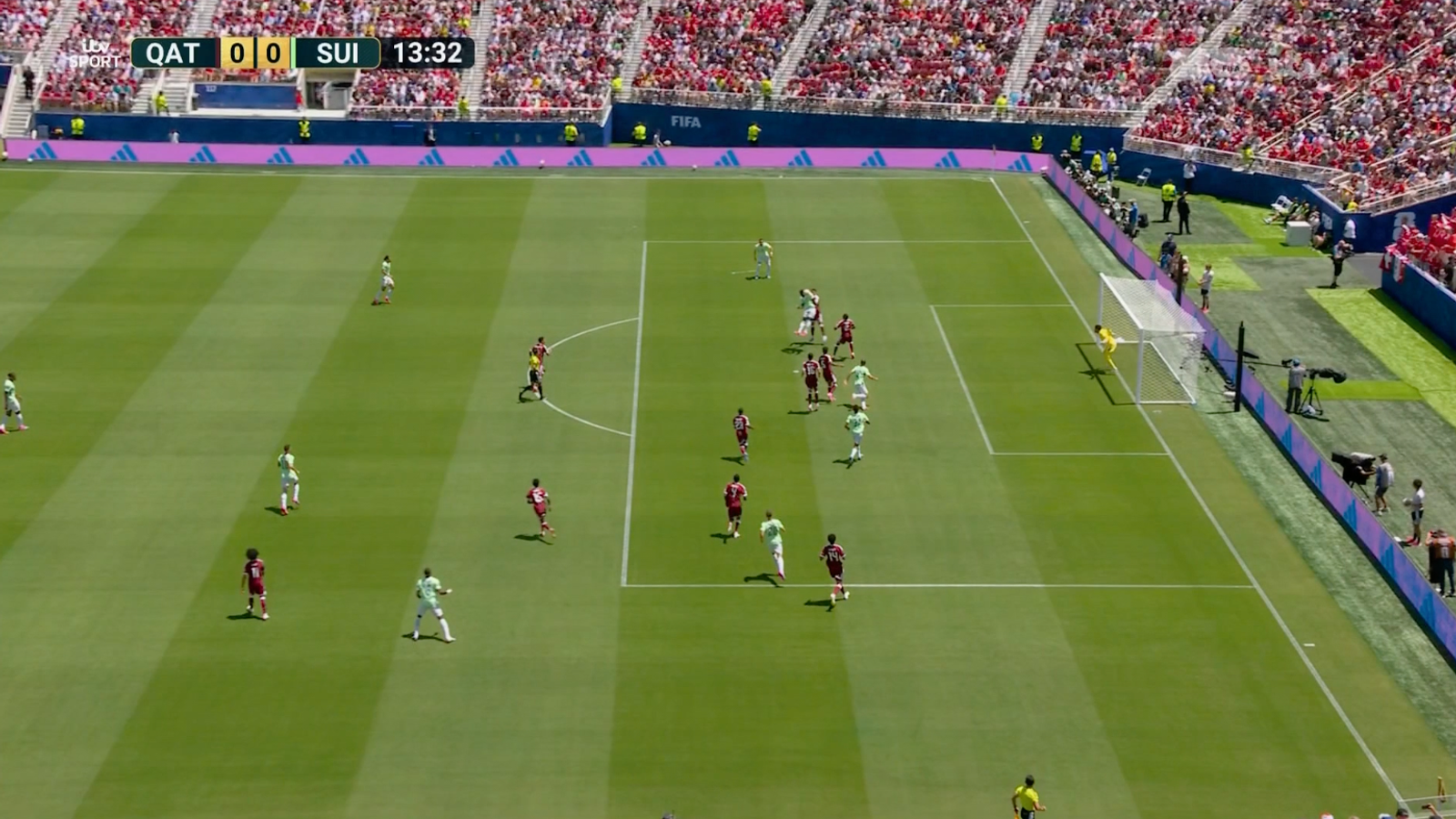
FIFA claims a technical glitch ruined Qatar vs Switzerland
1 day, 4 hours ago
VAR failure overshadows World Cup drama in Qatar-Switzerland draw
1 day, 8 hours ago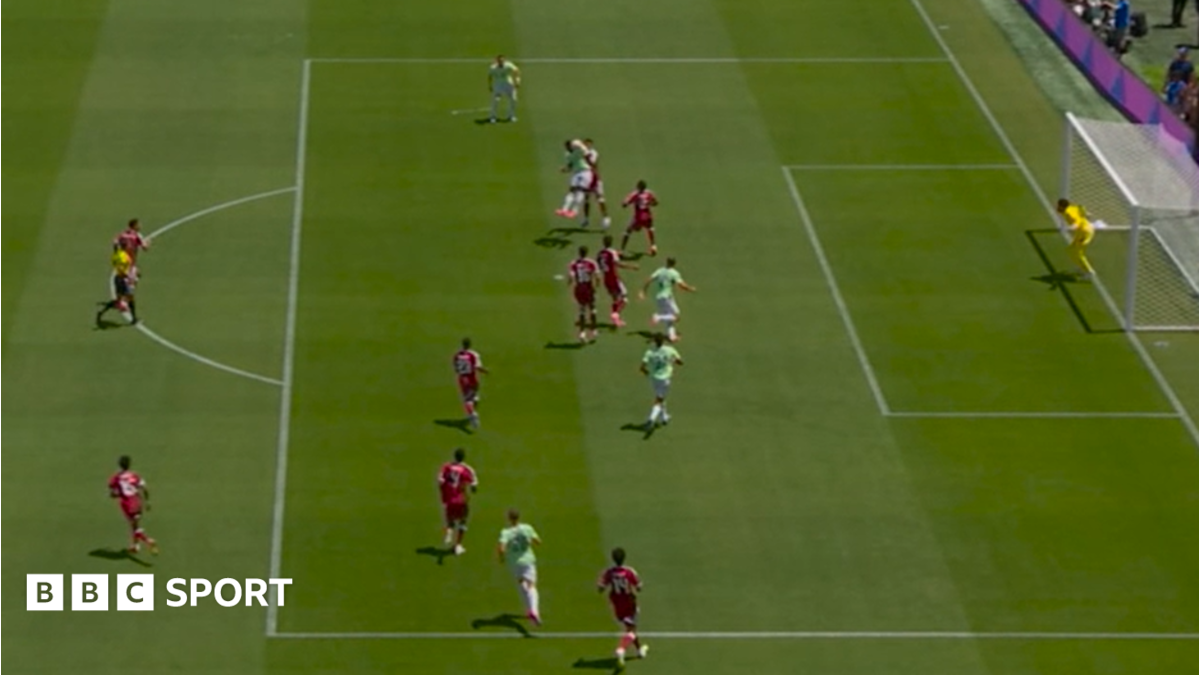
Why the Qatar-Switzerland rematch is a disaster waiting to happen
1 day, 9 hours ago
VAR technology failures loom over the Qatar and Switzerland rematch
1 day, 10 hours agoMore Analysis

Tottenham selling Vuskovic would be an absolute managerial disaster
an hour agoReal Madrid buying Marc Cucurella is the biggest fever dream of 2026
an hour ago
Real Madrid land Marc Cucurella in a surprise move from Chelsea
an hour ago
Why the Ayyoub Bouaddi race feels like a trap for Arsenal and Liverpool
an hour ago
Tuchel's tactical gamble: Why England's left side is the pivot vs Croatia
an hour ago