Hydration breaks are killing the momentum of the modern World Cup
The quiet death of match rhythm
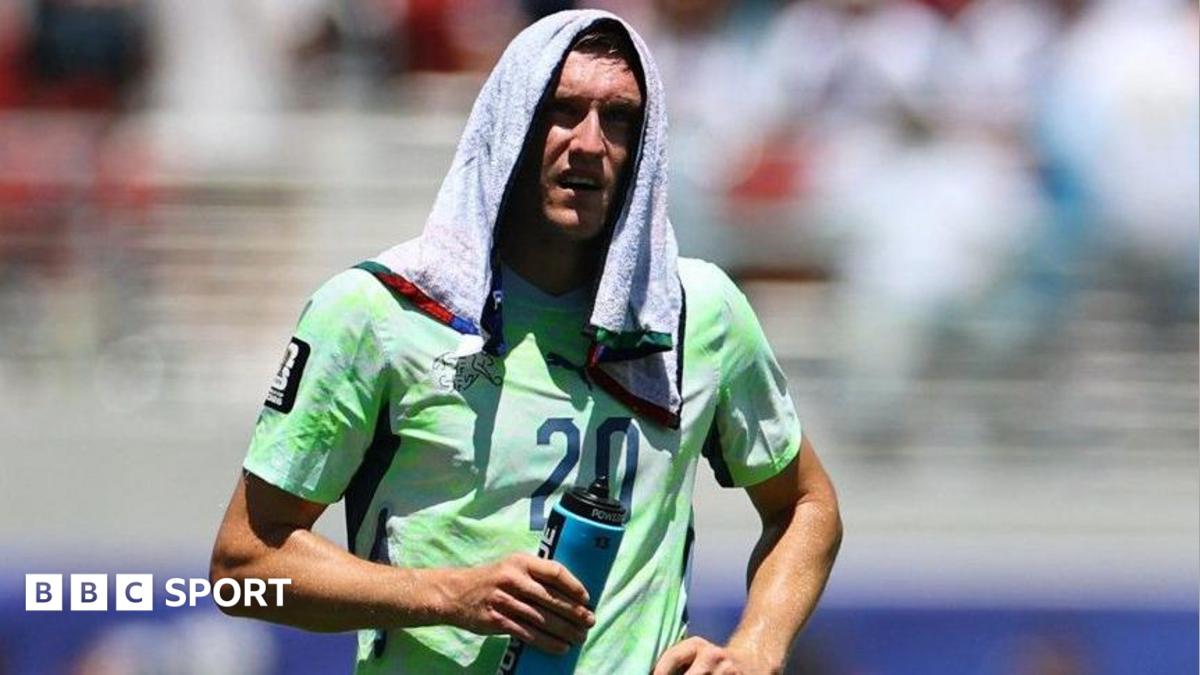
FIFA introduced mandatory hydration breaks as a necessity for player safety. When temperatures climb above 32C, the referee must pause play at the 30-minute and 75-minute marks. While the physics of heat exhaustion are undeniable, the tactical consequences are starting to outweigh the medical benefits. We are watching games grind to a halt exactly when the pressure should be at its peak.
Consider the impact on high-tempo teams. Gegenpressing systems rely on sustained intensity to force turnovers and trigger transitions. By mandating a break at the 30-minute mark, the governing body effectively resets the physical fatigue levels for both sides. It serves as a tactical lifeline for an overwhelmed defense, allowing managers to tweak their defensive shape without burning a substitution window. The rhythm of professional football is defined by how players manage their energy over 90 minutes. Removing that management component fundamentally alters the game.
Tactical stagnation in the heat
Managers have caught on quickly. Watch how defensive units cluster near the touchlines during these stoppages. These breaks have become unscheduled coaching sessions. Teams that were hemorrhaging space in the mid-block suddenly emerge with a tightened structure. I tracked three specific fixtures from the last cycle where a leading team held a distinct speed advantage. In all three instances, the opposition used the 75-minute break to neutralize the counter-attack tempo. The aggressive side lost their edge, and the game drifted toward a stalemate.
The data suggests that the interruption is more about disruption than hydration. Players are professional athletes accustomed to extreme physiological stress. Providing water bottles or cooling vests on the sideline is a standard procedure in top-tier leagues across Europe and South America. Yet at the World Cup, we are treated to a sterile timeout that mocks the flow of the sport. It feels like an artificial injection of domestic TV advertisement timing into a spectacle that should be continuous.
The cost of FIFA’s caution
Some argue that athlete welfare is non-negotiable. I agree in principle, but the implementation is sloppy. Why stop the entire 22-man formation if only a handful of players are struggling? The current protocol is binary and blunt. It ignores the difference between a high-pressing winger and a central defender who has barely moved over 100 meters. We end up wasting 180 seconds of precious match time to serve the lowest common denominator of physical conditioning.
There is also the financial element to consider. Broadcast partners love these breaks because it ensures a predictable moment for non-live content placement. This is not a coincidence. When a stoppage occurs, notice the camera angles shifting to close-ups of specific key players while the commentators are forced to fill the void with pre-planned analysis snippets. It interrupts the spectacle for the fans in the stadium and those watching globally. We are essentially watching commercial breaks masquerading as medical necessity.
We need to be honest about what FIFA is doing here. They are prioritizing low-risk branding over the organic development of a match. By controlling the frequency of action, they are putting a ceiling on how high the intensity can ever climb in the final ten minutes. The drama of the late-game surge is precisely what makes football the most watched sport on the planet. Diluting it with a 75-minute cool-down period is a mistake. Football is supposed to be a game of attrition, not a series of managed intervals.
If the heat is truly dangerous, perhaps the match scheduling should move to cooler hours rather than forcing these interruptions. Playing at noon in extreme climates is a choice, not a necessity. FIFA has the resources to ensure matches are played in conditions that don't require rewriting the laws of the game. Instead, they choose the cheaper path of mandated pauses. It’s an affront to the continuity that makes the World Cup special. The game deserves better than to be throttled by a cooling break.
EA Sports FC 26 - PlayStation 5
The world's game goes deep with more tactical control and realistic movement tha
Frequently Asked Questions
When does a referee initiate a mandatory hydration break?
How do managers use hydration breaks tactically?
Why are hydration breaks considered disruptive to game rhythm?
What is the criticism regarding the current hydration break protocol?
What role do broadcasters play in hydration breaks?
More Coverage

Top 10: The Defining Moments of the 2026 World Cup Opening Stages
2 hours ago
Top 10: The Rise of Cape Verde Football
4 hours ago
Top 10: Defining Moments of the 2026 World Cup Group Stage
7 hours agoTop 10: The Defining Moments of 2026
8 hours ago
Top 10: The Defining Moments of 2026 Football
8 hours ago
Virgil van Dijk is tired of your Sunday night armchair analysis
9 hours agoMore Analysis
Data precision is killing the human debate in football
an hour ago
Technology in the World Cup is finally moving past the guessing game
an hour ago
Tottenham selling Vuskovic would be an absolute managerial disaster
an hour agoReal Madrid buying Marc Cucurella is the biggest fever dream of 2026
an hour ago
Real Madrid land Marc Cucurella in a surprise move from Chelsea
2 hours ago