The De Zerbi paradox in North London
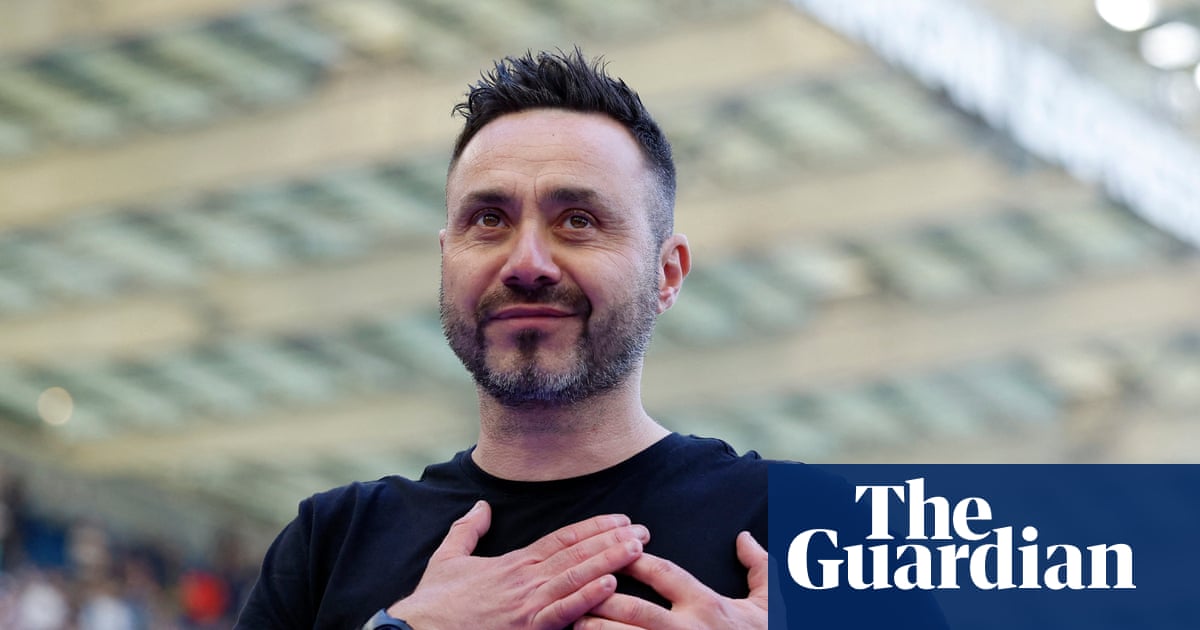
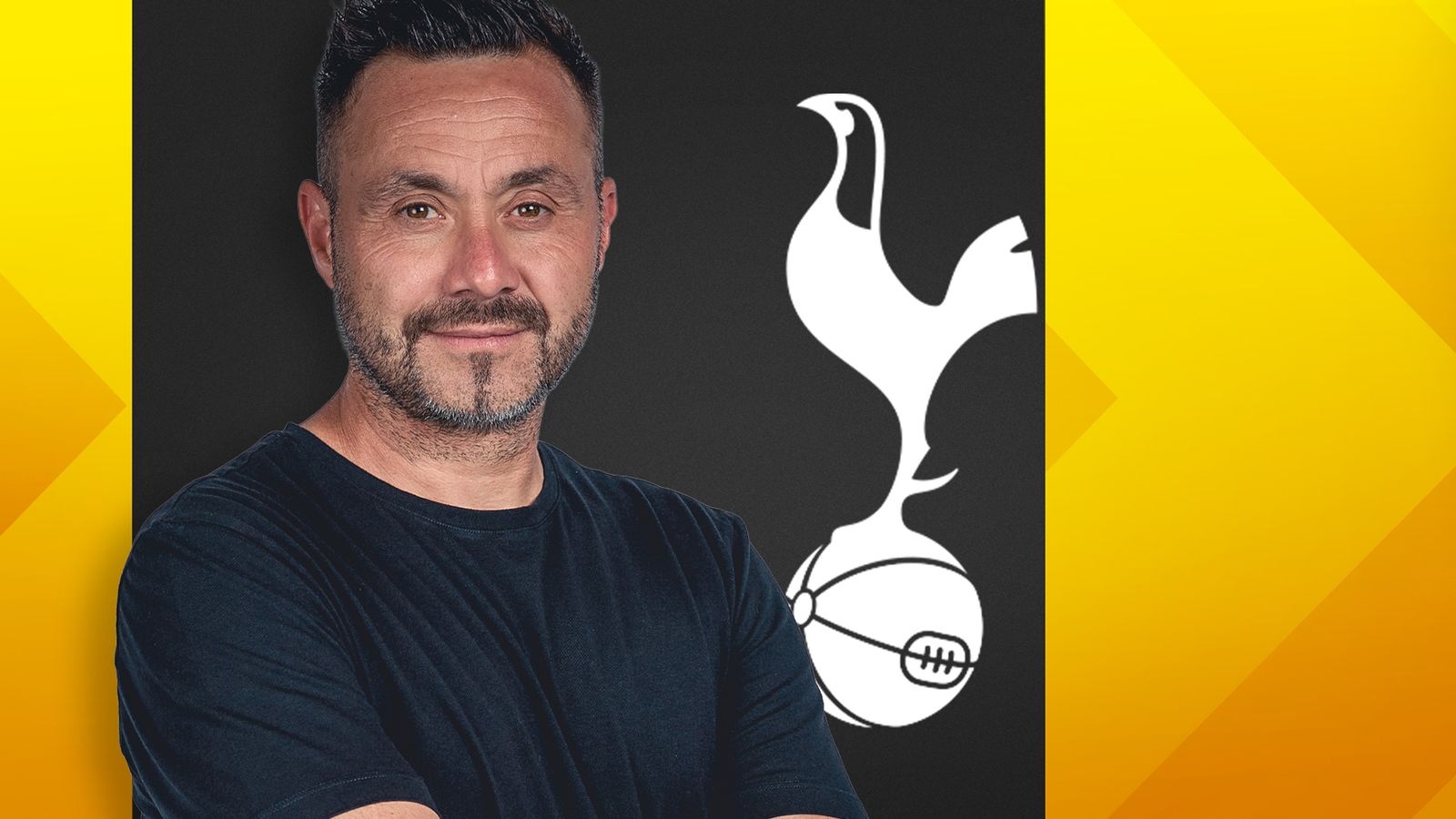
Tottenham Hotspur often finds itself caught between tactical ambition and institutional stability. Hiring Roberto De Zerbi is a quintessential Daniel Levy move—prioritizing a specific brand of high-octane, possession-heavy football while ignoring the temperature of the fanbase. The Tottenham Supporters' Trust didn't mince words following the announcement, specifically citing his past, public backing of Mason Greenwood.
Ignoring the off-field friction for a moment, how does this translate to the pitch? De Zerbi demands verticality from his center-backs and a suicidal high line. Looking at his Brighton tenure, his teams averaged a 62% possession share but frequently left massive gaps behind. At Spurs, with defenders who have shown fragility under pressure, this is a recipe for a 3-2 thriller every single weekend.
Tactical clashes and defensive gaps
The core issue with this appointment is the current squad composition. De Zerbi requires elite ball-playing prowess from his deep-lying midfielders, an area where Spurs have oscillated between inconsistency and pure defensive liability. If you look at the shot maps from his final months at Brighton, the number of successful transitions against them increased by 14% because the press was often bypassed by a single long ball.
Asking a back four to operate on the halfway line requires elite recovery pace. While they have speed on the flanks, the central defensive partnership currently lacks the positioning discipline to cover that space. Opponents like Chelsea or Arsenal will have a field day with quick counters if De Zerbi doesn't adjust his aggressive buildup play to fit this specific group of personnel.
The prediction
This tenure will be short, loud, and characterized by chaotic results. De Zerbi is a brilliant coach when the squad perfectly aligns with his philosophy, but his refusal to adapt his defensive metrics against better-coached teams is a glaring blind spot. I expect him to win the home supporters over for about three games until a heavy defeat to a top-four rival exposes his lack of defensive transition organization.
Expecting Spurs to finish in the European spots with this setup is optimistic. They will likely hover between 7th and 9th, scoring plenty of goals but shipping far too many to maintain a consistent challenge for the top four. The board has opted for a coach who creates noise, and they are going to get exactly that—just not the kind they want.