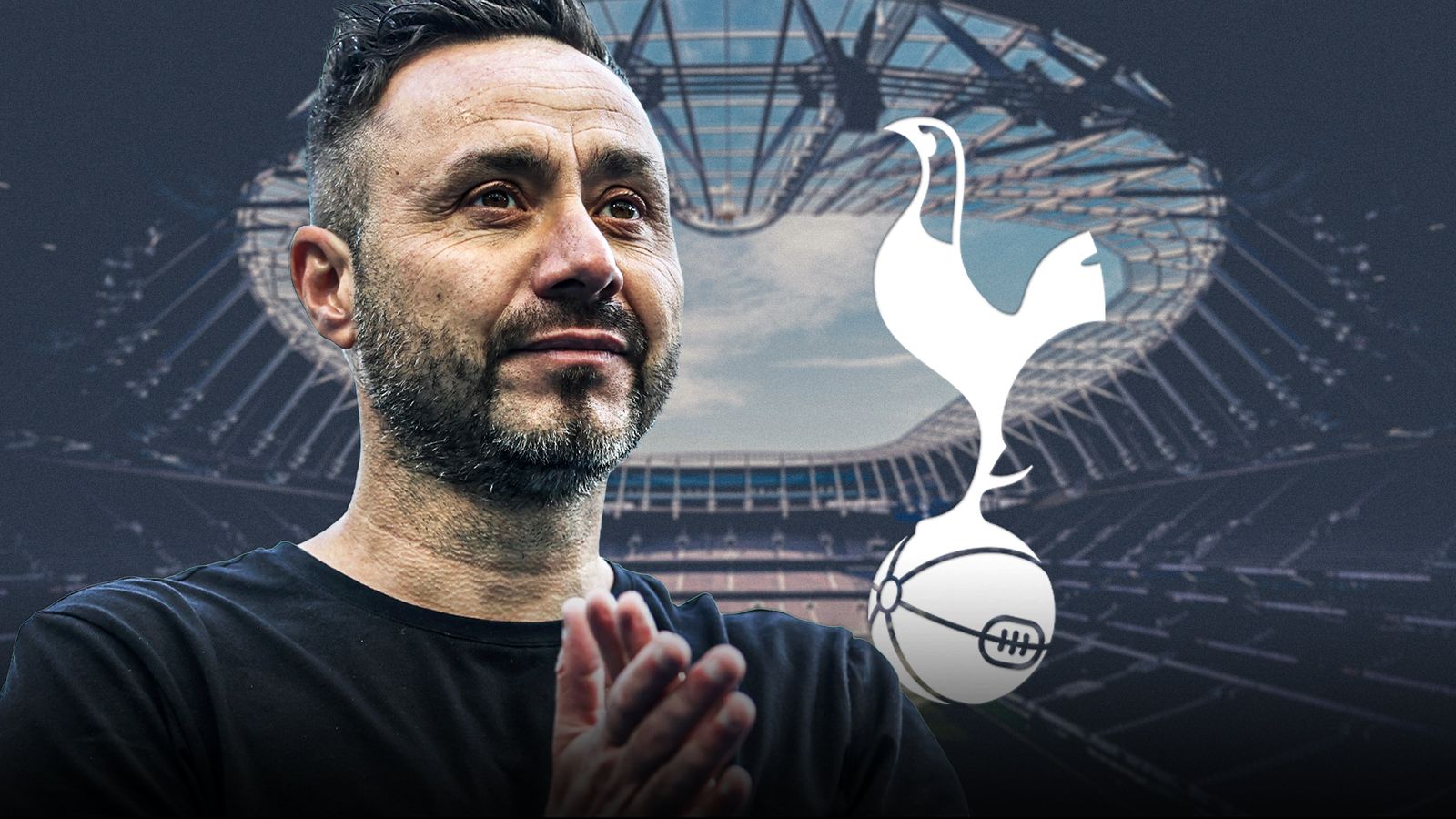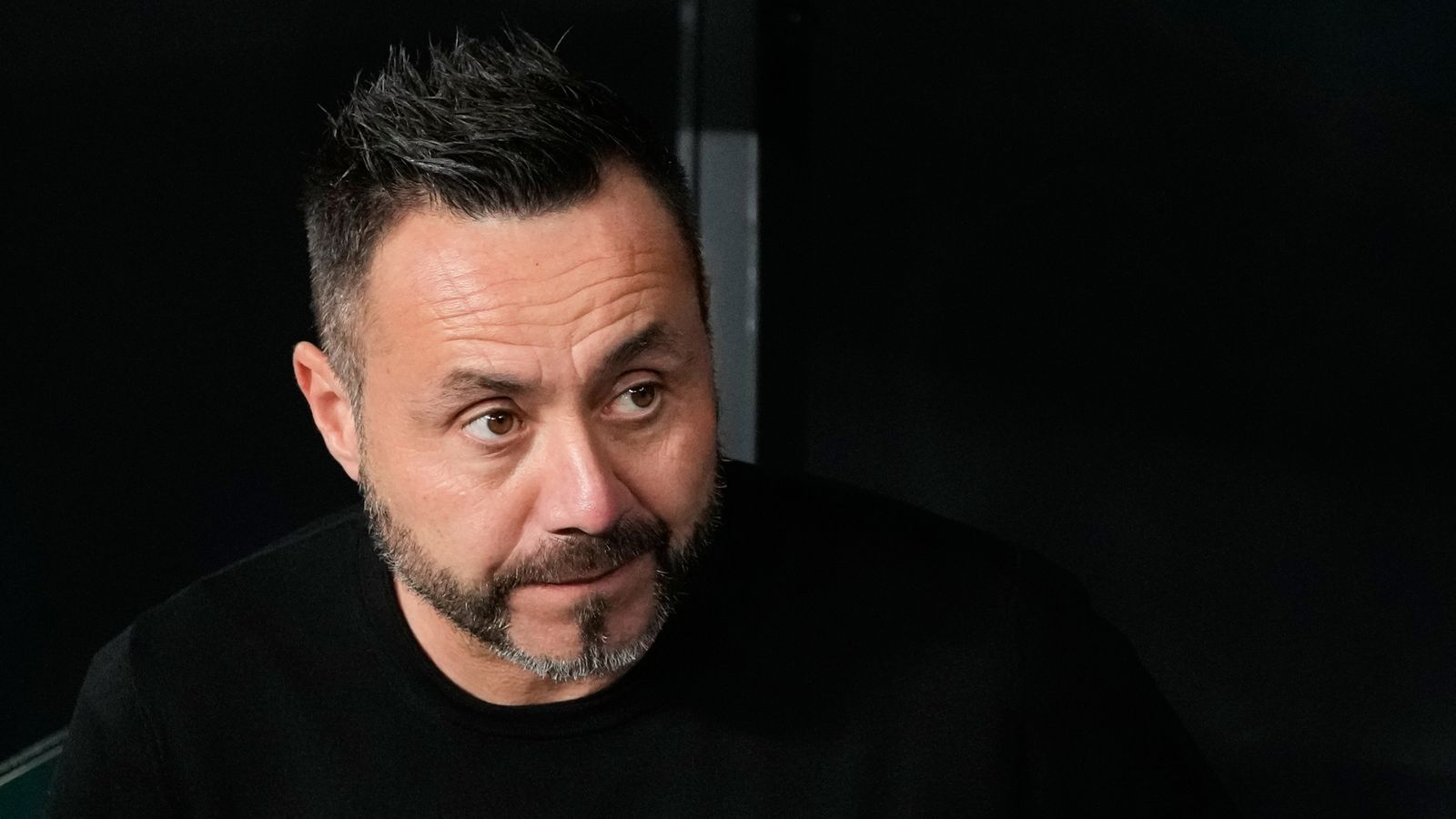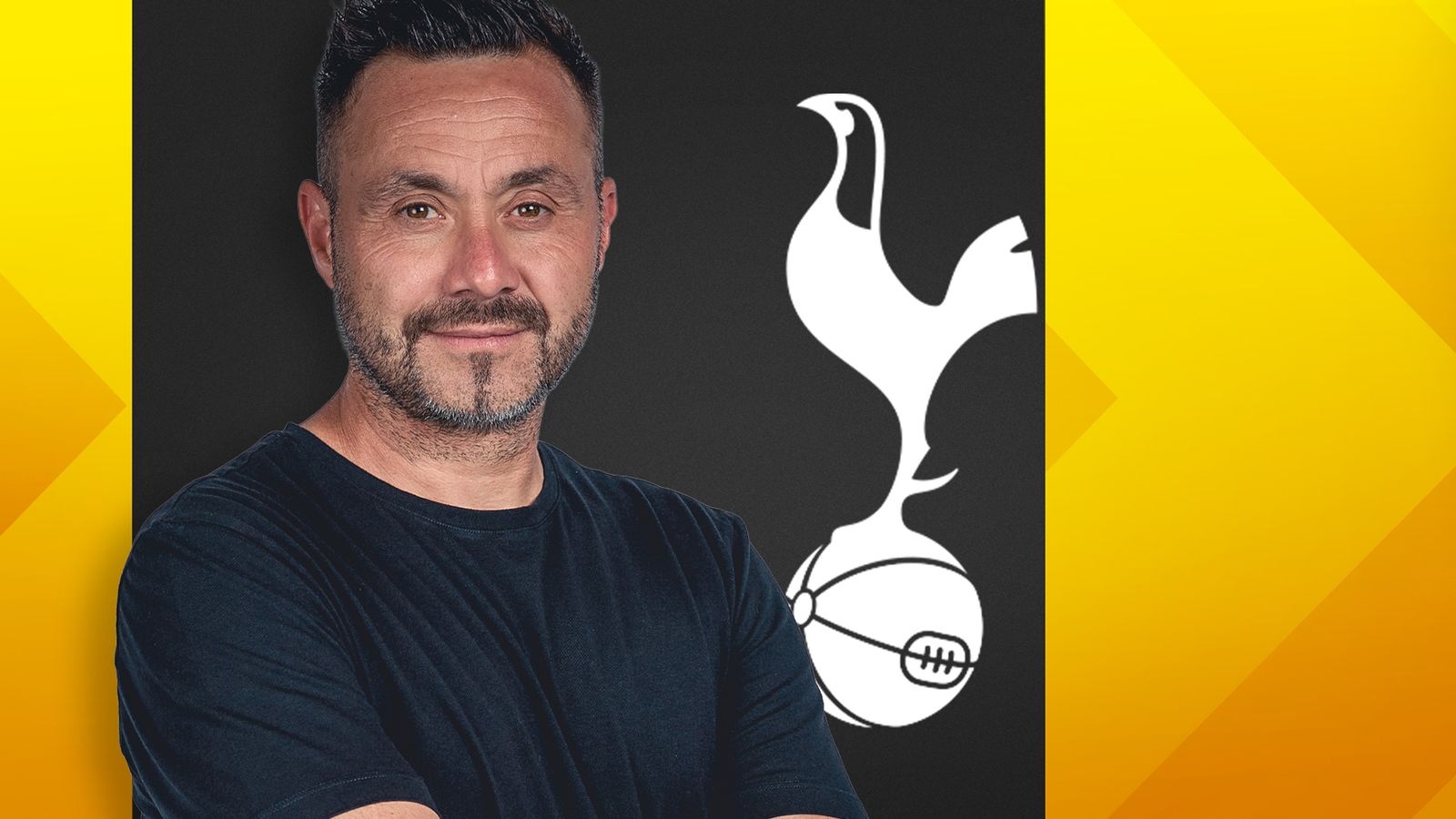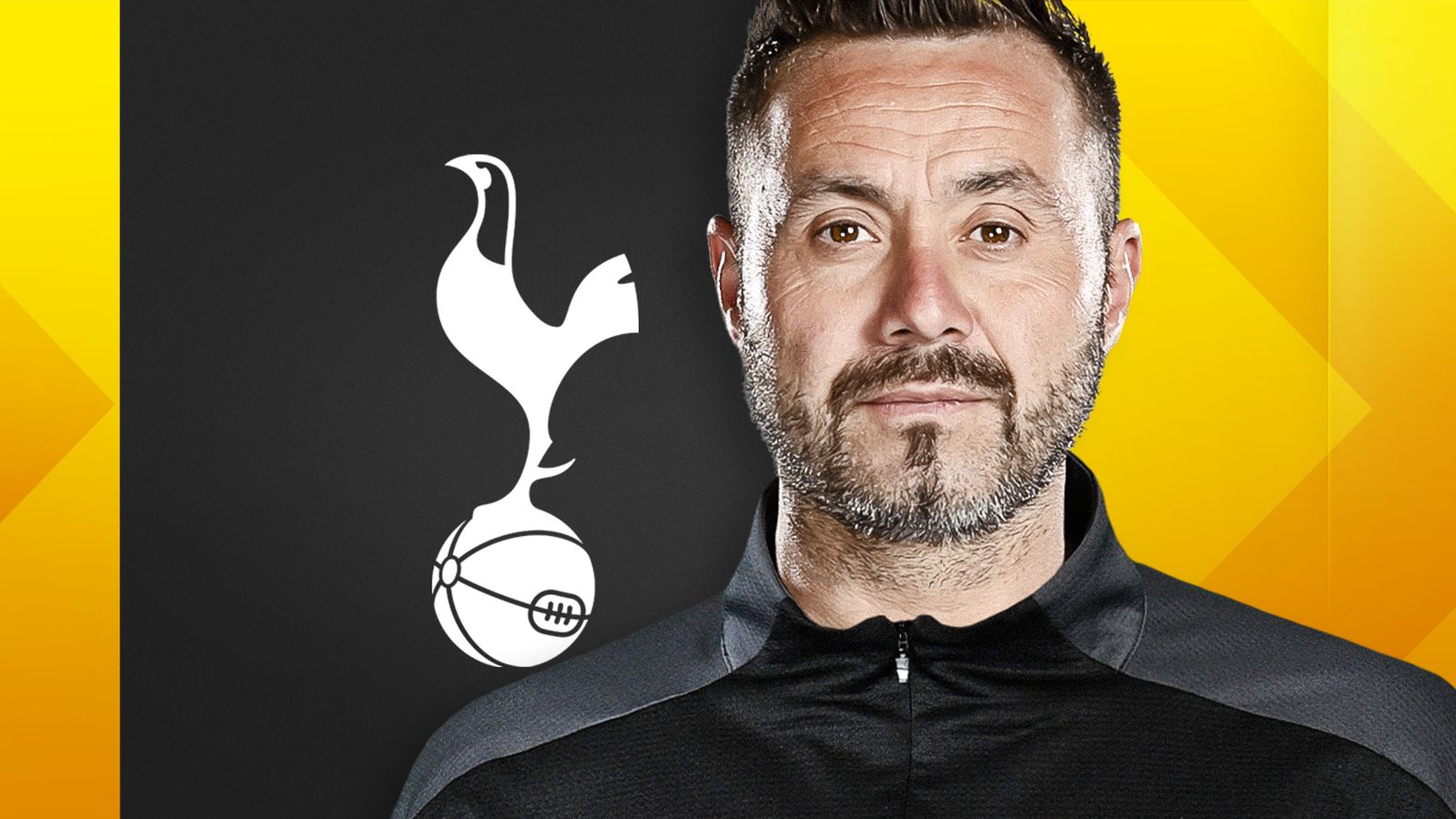
The De Zerbi appointment is a gamble on style over substance
Daniel Levy has finally done it. He has secured the one manager who promises the aesthetic revolution Tottenham fans have craved since the peak Pochettino years. The arrival of Roberto De Zerbi, as Sky Sports recently detailed, comes with the usual rhetoric about 'passion' and 'Spurs DNA.' It is a narrative designed to sell season tickets, but a cold look at the tactical board suggests this marriage is headed for a messy divorce before the 2026/27 season even reaches Christmas.
The fundamental issue isn't De Zerbi’s brilliance—he remains one of the most innovative coaching minds in Europe—but the sheer incompatibility of his system with the current Tottenham defensive structure. We have seen this script before at Brighton and during his brief, chaotic stint in Marseille. He demands a level of technical perfection in the first phase of build-up that this Spurs squad simply does not possess. When it works, it is champagne football. When it fails, it looks like a 1.92 xGA nightmare where the center-backs are left on an island.
De Zerbi’s calling card is the invitation of pressure. He wants his goalkeepers to stand on the ball, attracting the opposition press like moths to a flame, only to bypass them with vertical zips into the half-spaces. But in the Premier League of 2026, the elite managers have stopped biting. Teams like Arsenal and Newcastle have evolved their mid-blocks to ignore the bait, leaving De Zerbi’s teams passing sideways in a U-shape while the crowd at the Tottenham Hotspur Stadium grows increasingly restless.
The 4-2-4 suicide pact and the pivot problem
At the heart of the De Zerbian philosophy is the rigid 4-2-4 build-up shape. It requires two 'monsters' in the double pivot who can receive the ball with their backs to goal under immense pressure, turn, and find the wingers. Currently, Tottenham’s options in that engine room are either too old or too tactically undisciplined. Yves Bissouma, now entering the twilight of his top-level career, lacks the recovery speed he had three years ago. Pape Matar Sarr has the lungs, but his passing range under duress remains erratic.
If you look at the shot maps from Spurs' recent outings, the vulnerability in the 'D' at the top of the box is glaring. Opponents are winning the ball back in the middle third and clinical transition teams are feasting. De Zerbi’s refusal to implement a secondary rest-defense structure—a Plan B for when the initial press-break fails—is his greatest flaw. He is a tactical fundamentalist. He would rather lose playing his way than win by compromising his principles. For a club that has been in a constant state of identity crisis for five years, this is the last thing they need.
The defensive line is equally problematic. Micky van de Ven is a recovery-pace freak of nature, but even he cannot track three runners at once when the midfield is bypassed. During the 3-1 collapse against Aston Villa last month, the gap between the defensive line and the midfield averaged 28 meters. In a De Zerbi system, that gap is often exploited by clever tens who sit in the pockets. Unless Levy is prepared to sanction a £150 million overhaul of the entire back five this summer, De Zerbi is being set up to fail.
The myth of the DNA and the coming cultural clash
Managers love talking about 'DNA' because it buys them six months of patience from the supporters. But what is Spurs DNA in 2026? It certainly isn't the reckless high-wire act that De Zerbi provides. The fans want winning football first and attractive football second. The moment a 74% possession performance results in a 1-0 home loss to a promoted side, the 'passion' De Zerbi promised will turn into a toxic atmosphere that he is ill-equipped to handle.
We also have to consider the man-management aspect. De Zerbi is famously volatile. His public spats with board members over transfer targets are legendary. Placing him under the thumb of Daniel Levy and a data-driven recruitment team is like putting a blowtorch next to a powder keg. While he claims he wants to bring his own flair to North London, his history suggests he will be complaining about a lack of 'ambition' the moment he doesn't get a specific 20-year-old winger from the Argentine second division.
The critical observation that most analysts are missing is the physical toll. De Zerbi’s training sessions are notoriously intense, focusing on repetitive pattern-of-play drills that can mentally drain a squad. With the expanded FIFA World Cup 2026 kicking off in just 62 days, many of Spurs' key players will be arriving at pre-season completely spent. Trying to implement a high-complexity tactical system on tired legs is a recipe for the kind of muscular injuries that derailed his final season on the south coast.
Why the 2026 tactical landscape has moved on
The league has solved the De Zerbi riddle. The days of 'De Zerbismo' being a revolutionary force that catches teams off guard are over. The average pass completion rate for teams facing a high press has risen to 84% across the league, as coaching standards at the bottom half of the table have improved. Everyone knows how to defend the wide-to-internal rotations that he loves. He is no longer the hunter; he is the hunted.
Tottenham are currently sitting in 8th place, and the board is acting as if a change in manager will magically fix a squad that lacks a world-class playmaker and a reliable deputy for an aging Son Heung-min. De Zerbi’s reliance on isolated 1v1 situations for his wingers works if you have peak-level talent. If you have players who struggle to beat their man 32% of the time, the entire system grinds to a halt. It becomes a sterile dominance that is agonizing to watch.
My prediction is that we will see a 'new manager bounce' that lasts exactly four games. The media will wax lyrical about the improved passing metrics and the bravery on the ball. But once the UCL Quarter-Finals are over and the league settles into the final grind, the defensive frailties will become impossible to ignore. De Zerbi will blame the players, the players will grow tired of the 40-minute tactical meetings, and the cycle of Spurs disappointment will reset once again. This isn't the start of a new era; it's the beginning of the end of the current one.
Read Next